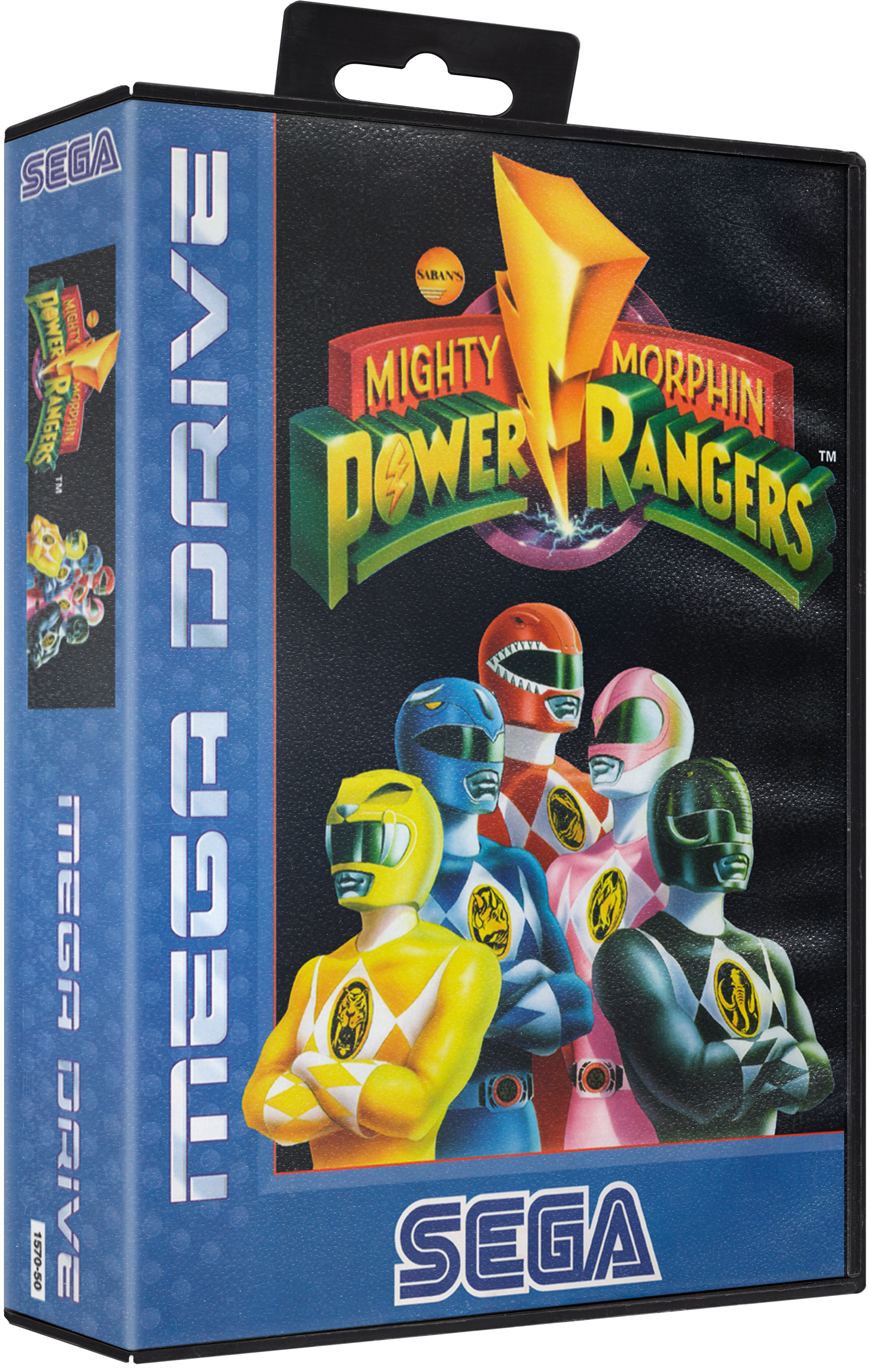
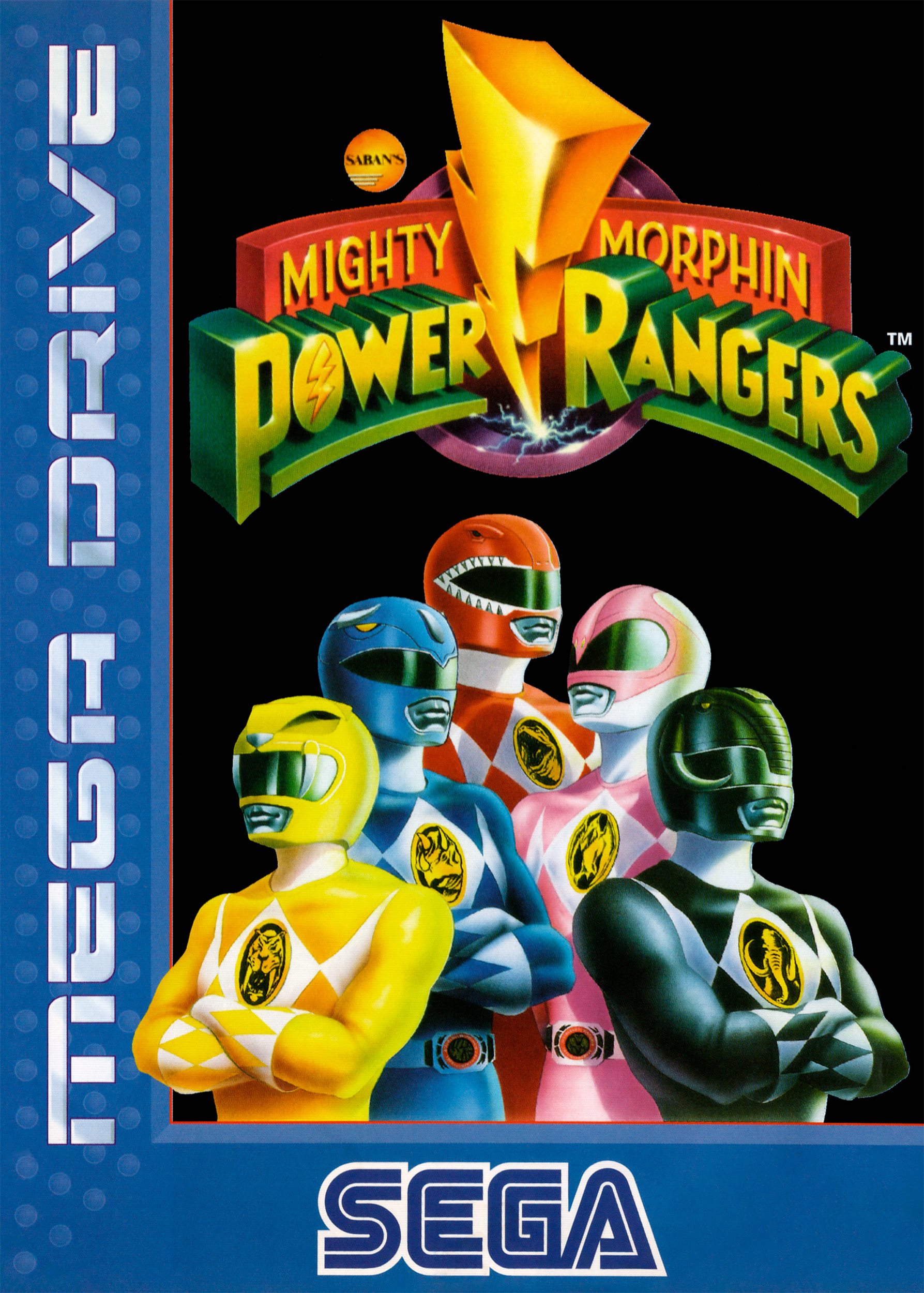
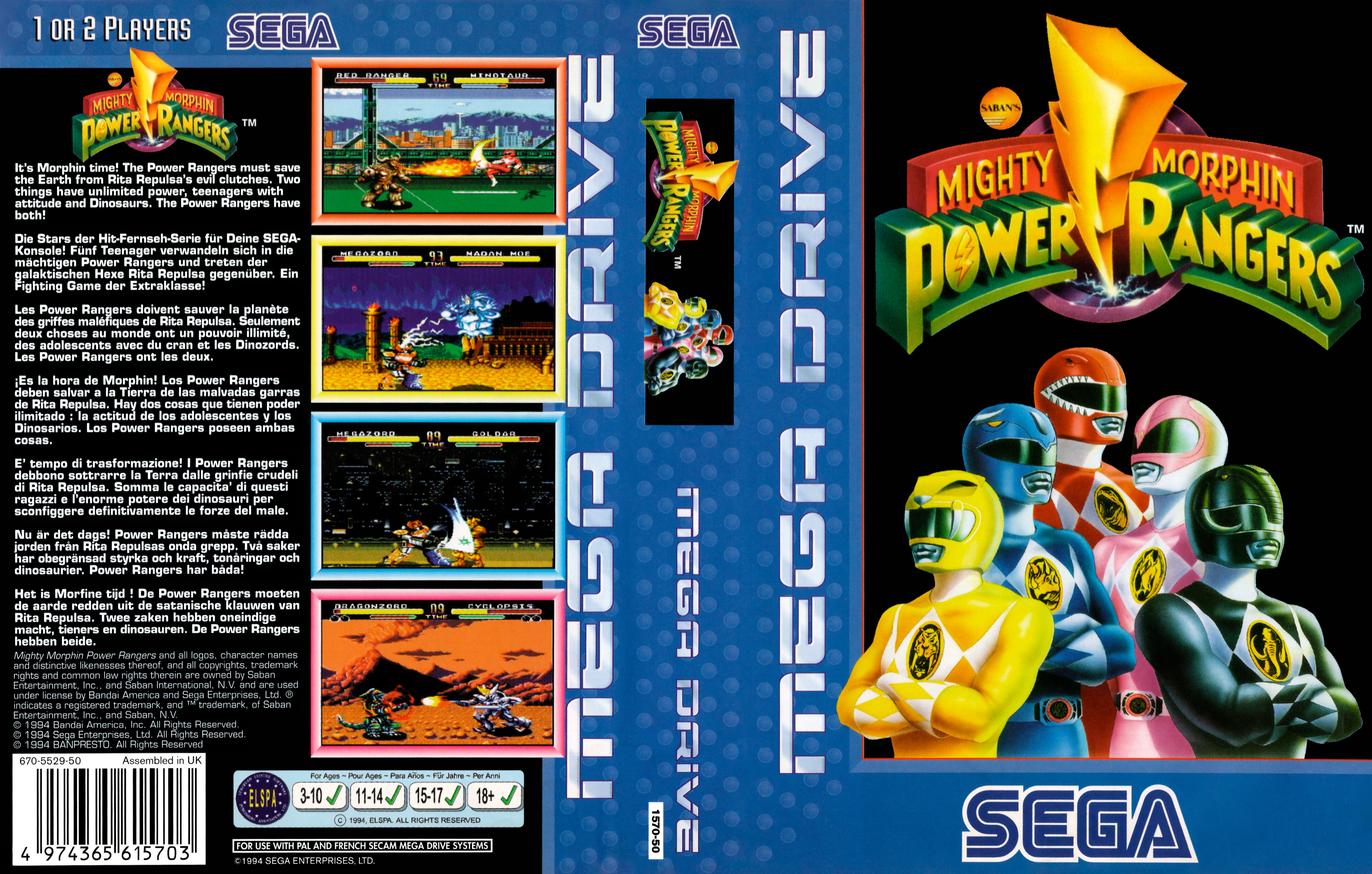
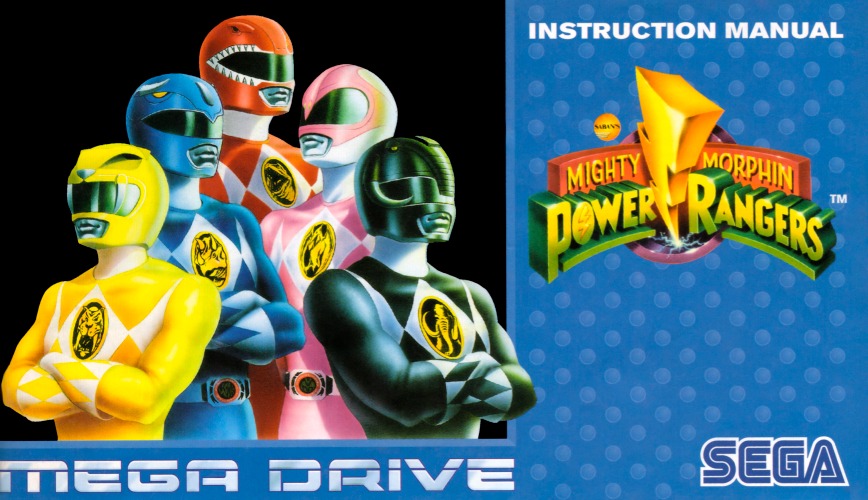
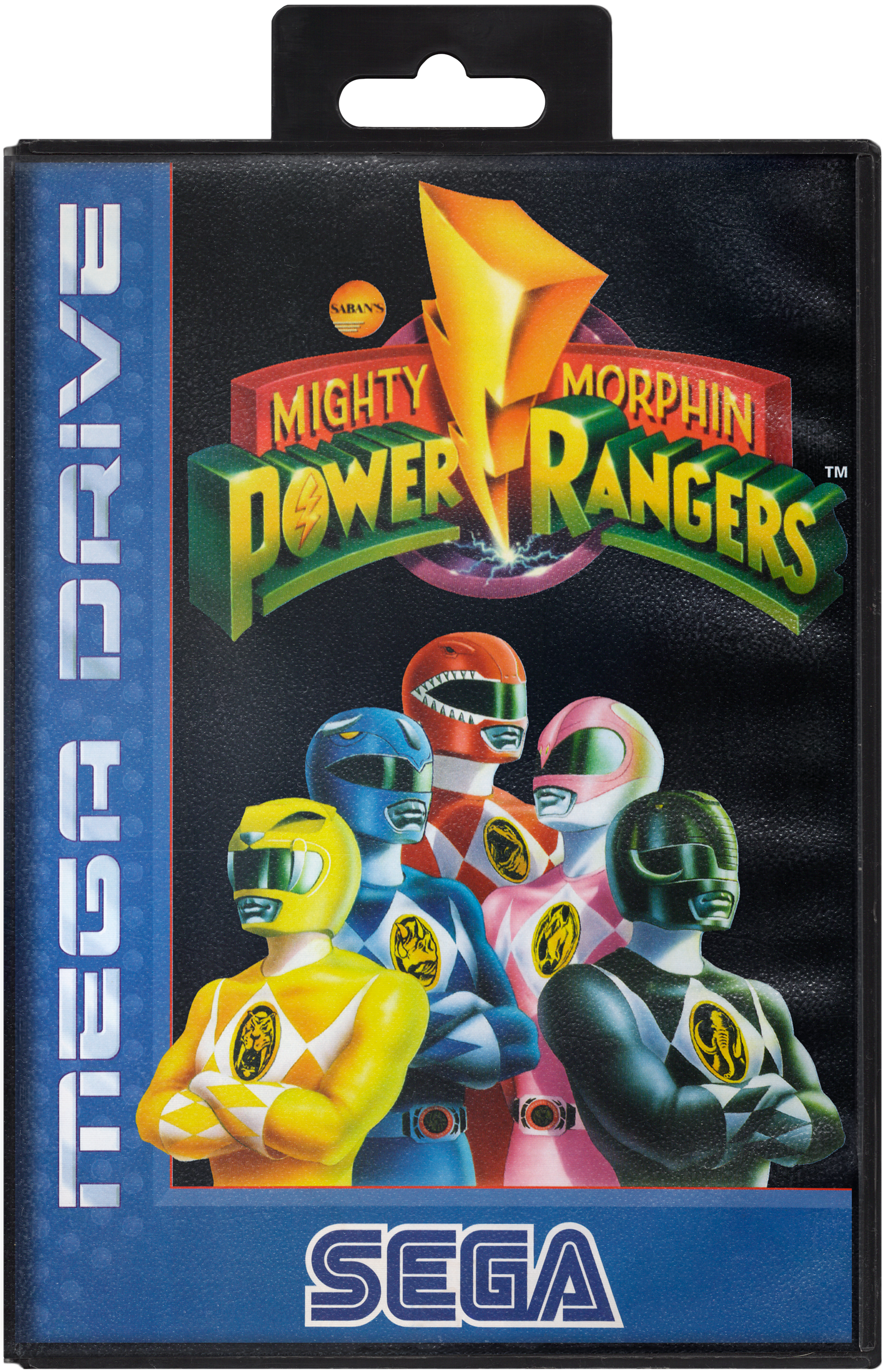
Mighty Morphin Power Rangers
Bandai have pulled their television advertising. Not because of complaints, not because of a tabloid campaign, but because the toys have sold out and advertising them further would be cruelty to parents. That is the scale of the thing. Five teenagers in coloured spandex have become the biggest property in children's television, and anything with their faces on it shifts by the pallet.
So there is a Mega Drive game. There was never not going to be a Mega Drive game.
What makes this one interesting is that somebody on the project cared. You can see where the effort went. You can also see where it stopped.
The show, translated
Whoever designed the structure understood the source material. Every episode runs to the same shape. Rita Repulsa, cackling on the moon, sends a monster to Earth. The Rangers morph and fight it. They win. Rita makes the monster enormous. The Rangers climb into the Megazord and fight it again at skyscraper scale. They win again. Roll credits, same time tomorrow.
The game is built to that shape exactly. Fight the monster as a Ranger, watch it grow, fight it again as the Megazord. A beat 'em up handed its structure fully formed by a teatime serial, and the fit is so neat it is almost funny.
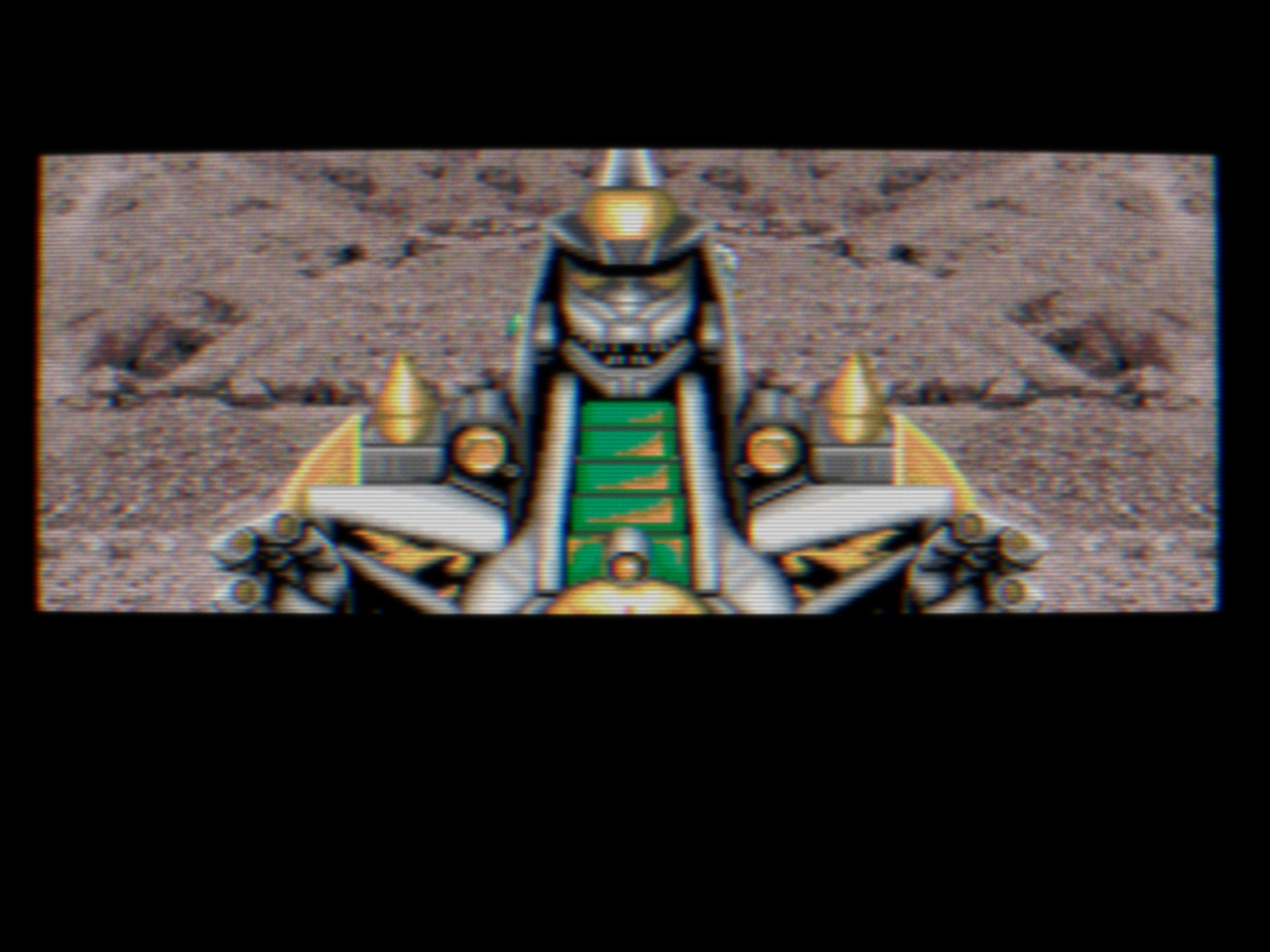
The story beats are here too. Rita sends her creatures down. The Green Ranger arrives as an enemy, loses, joins the team. The Dragonzord rises out of the sea. Tommy plays his flute. Anyone who has sat through the programme every morning, by choice or because a small person in the house made the decision for them, will recognise all of it.
Where the money went
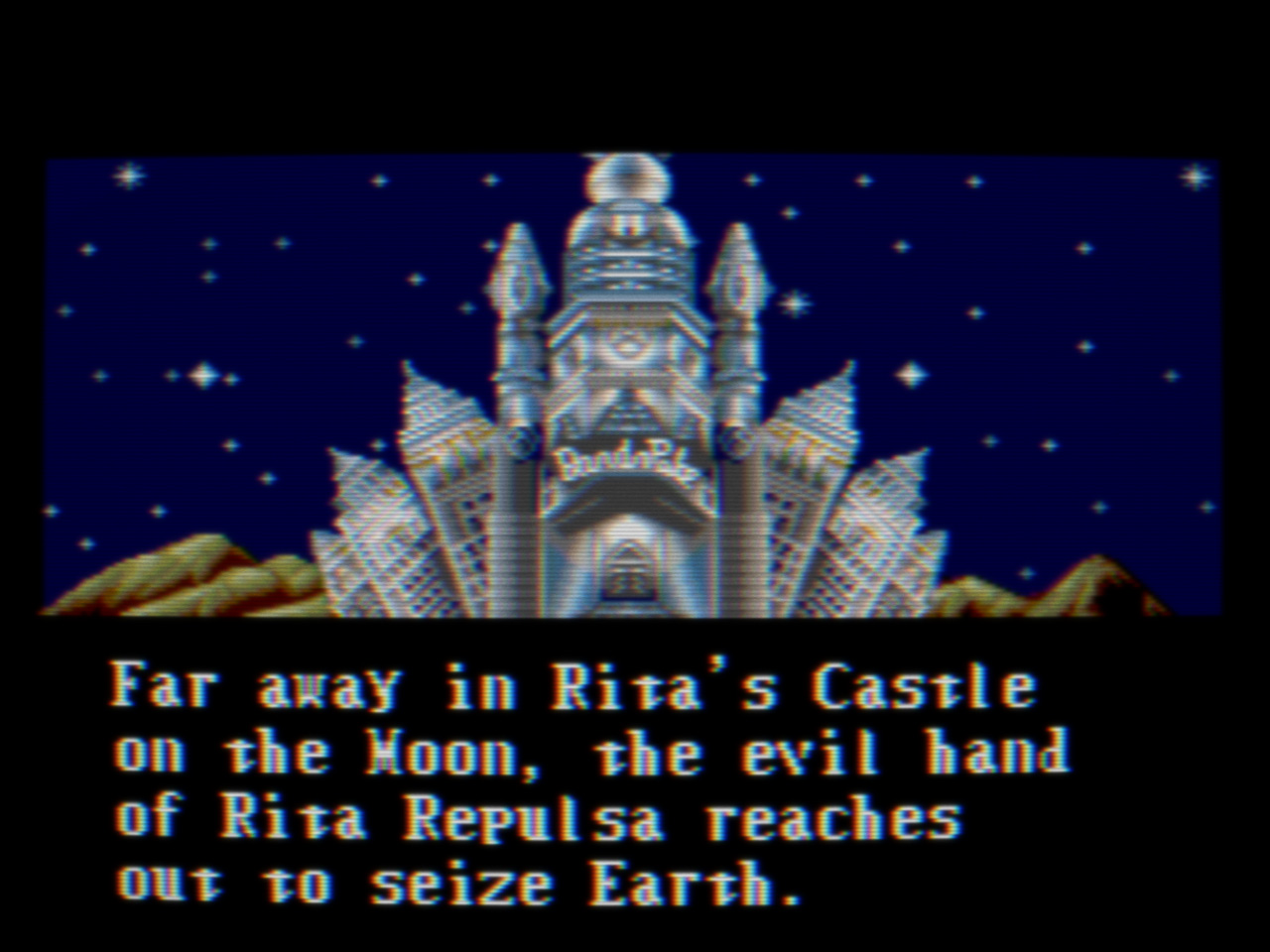
The presentation is the best thing here by a distance. Intermission screens reproduce scene after scene from the series with dialogue, Rita gurning and threatening, the Rangers posing. The theme tune is present and correct. Sound effects are lifted from the show. The wrapper around this game is lavish and attentive, made by people who watched the programme rather than skimming a press pack.
All of it surrounds a fighting game that does not work.
The fighting game
The characters move as though wading through setting concrete. Attacks come out slowly and land without weight. Stringing a combination together is a fight against the game rather than against the monster in front of you, and after ten minutes you stop trying and settle into the only rhythm that works, which is walking up to things and hitting them until they fall over.
The sprites are small and thinly animated, well short of what this console has been shown to manage. The backdrops repeat. For a cartridge carried by its cutscenes, the arenas you fight in are drab and forgettable.
Then there is the control scheme.
Two buttons
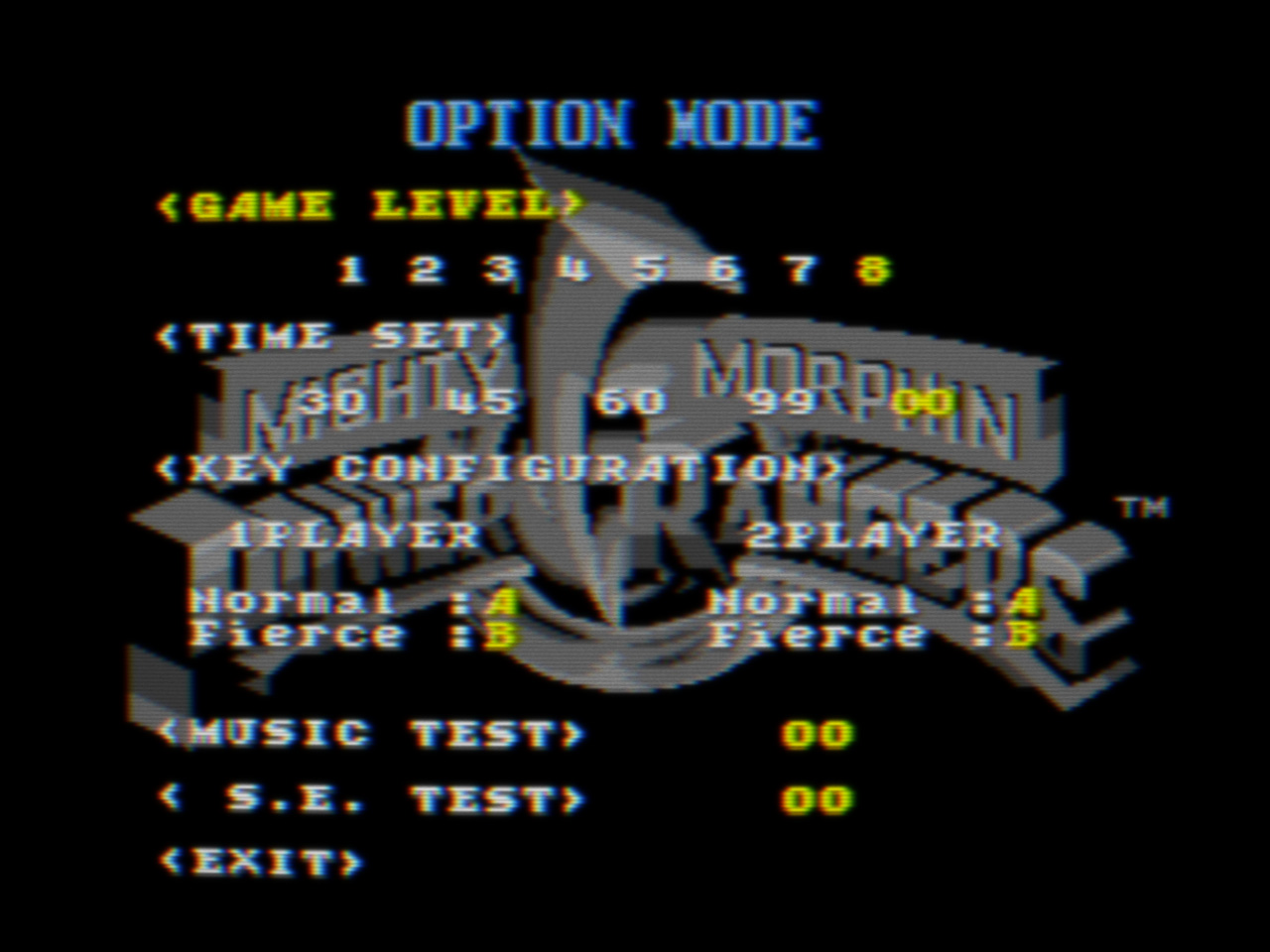
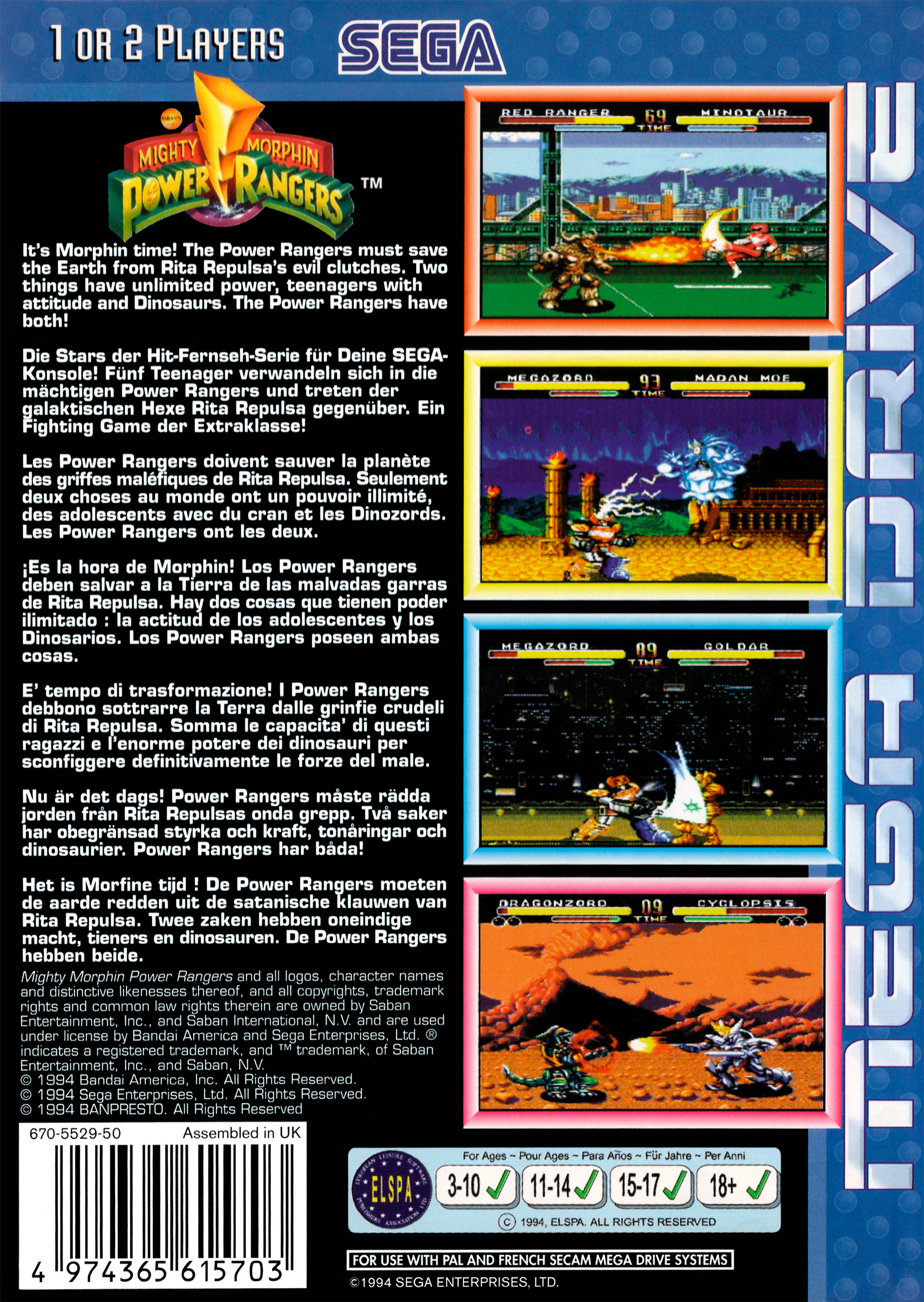
Mighty Morphin Power Rangers uses two fire buttons. Two. On the Mega Drive. In a one-on-one fighting game. You could be forgiven for thinking this was to make things less complicated for children playing the game, but the inputs to pull off special moves were just as complicated as other fighting games cut from the same cloth.
The six-button pad exists and has become the assumed standard for fighting games on this console. Street Fighter II': Special Champion Edition was built around it. Mortal Kombat II was built around it. Anyone buying a beat 'em up for this machine can be expected to own one. Shipping a fighting game that uses a third of the available inputs is not a hardware limitation. It is a decision, and somebody made it on the assumption that this audience would not notice.
The result is a system with no room in it. Special moves are cramped. Attack variety is thin. Every character ends up a recolour of every other character, because there are not enough inputs to give them separate toolkits. Three magazines have reviewed this cartridge and all three landed on the same complaint.
Eight fights
There are eight fights in this game. With unlimited continues, a competent player will reach the ending on a first sitting without difficulty, and nothing waits on the other side to bring them back.
Two-player versus holds whatever value is here. Red against Green with a mate on the second pad produces something close to fun, mostly through novelty and the pleasure of picking a favourite. The engine is still the engine and the appeal burns off fast. But it is the only mode that gives you a reason to switch the cartridge on twice.
The Verdict
Mighty Morphin Power Rangers is a cash-in, and not a wholly cynical one, which makes it more frustrating. The presentation team did the job. The intermissions, the theme and the faithfulness to the show's structure all demonstrate care and an understanding of what people love about the programme.
The fighting game underneath was given two buttons, eight opponents and sprites that barely move.
A nine-year-old with the duvet cover, the lunchbox and the Megazord will enjoy this, and there is nothing wrong with that. The Rangers are all here, they look right, they sound right, and the game lets you be them. That counts for something and should not be sneered at.
But forty pounds is forty pounds, and this is a beat 'em up that would struggle to justify a budget release. Sega and Bandai have built something that sells on the logo, and priced it knowing it would. Rent it, borrow it, play a mate's copy in two-player for an afternoon. Do not pay full price.
The show deserved better. So did the people who love it.
In Hindsight
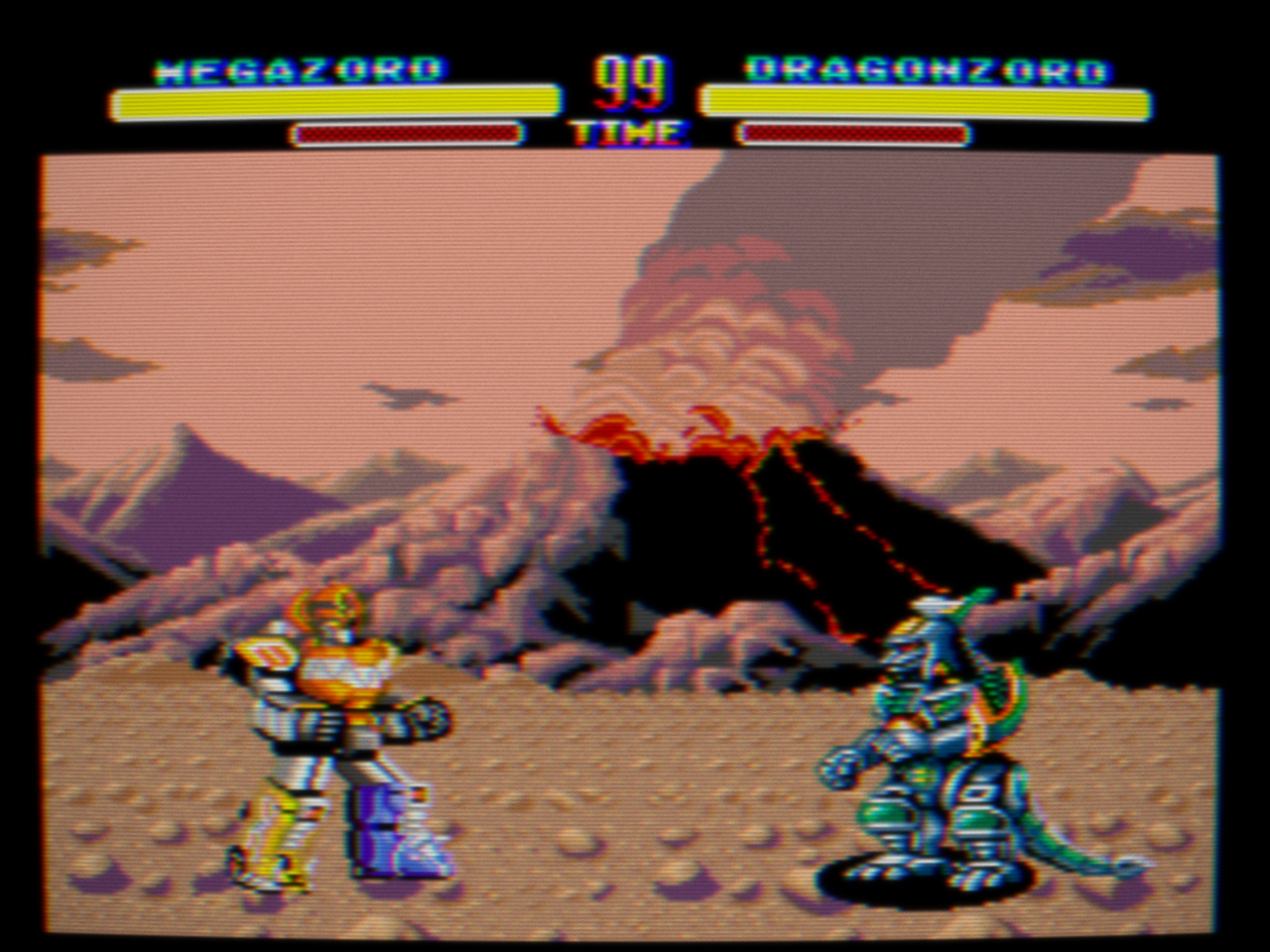
The gap between what this cartridge gets right and what it gets wrong has grown more instructive with distance. The presentation work holds up. The intermission screens, the theme and the episode structure still stand as a decent piece of licensed adaptation made by people who had done the reading. Few tie-ins of this era bothered to that degree.
Around that work sits a fighting engine that was undercooked on arrival and has aged into nothing better. The two-button decision is the detail that sticks, because hardware does not explain it. The six-button pad was on shelves, the audience for fighting games on this console owned one, and ignoring it caps the ceiling before a punch is thrown. That makes the cartridge a useful case study in a licensed product where budget and attention went into the parts that sell the box and not the parts that get played.
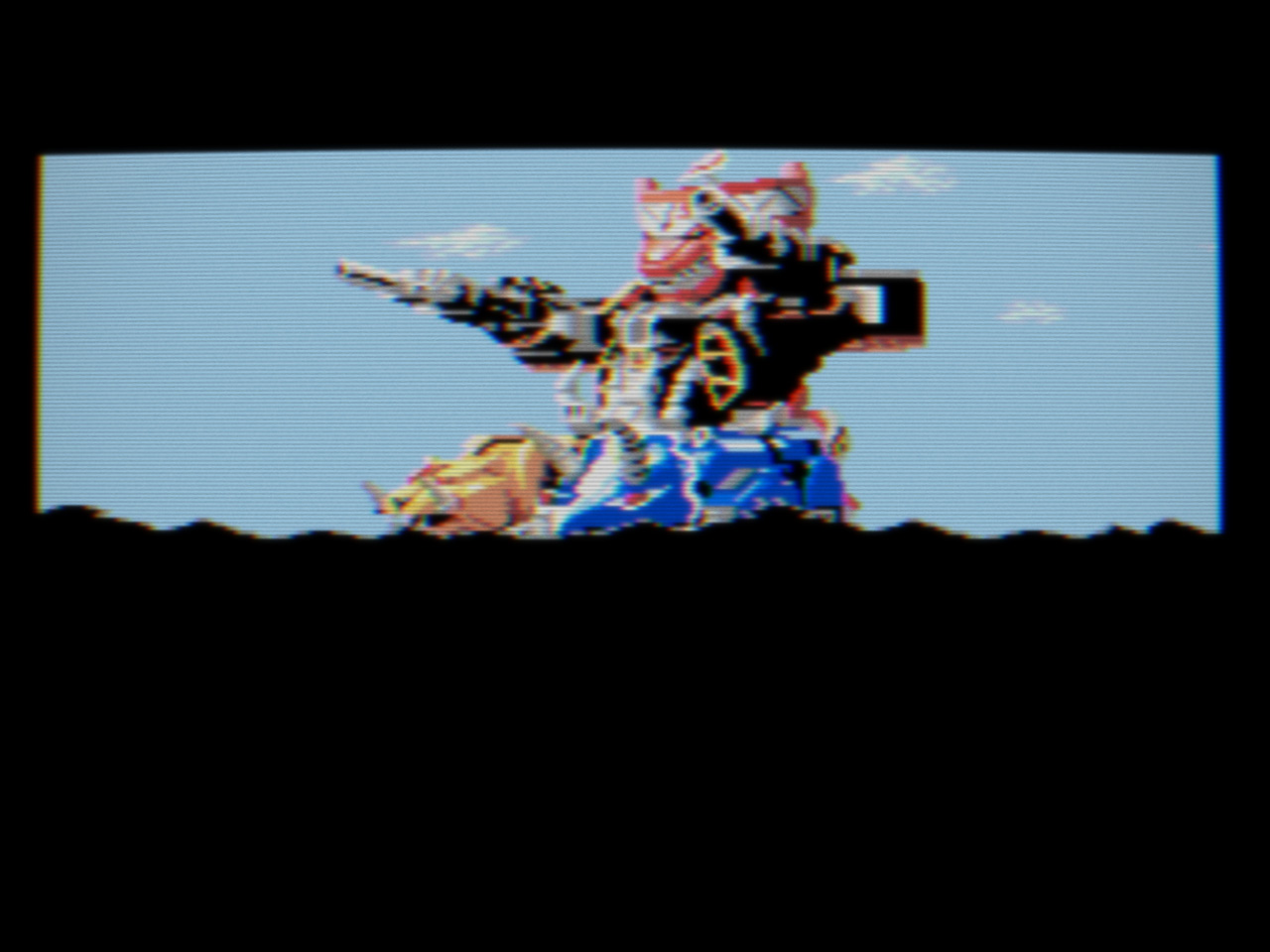
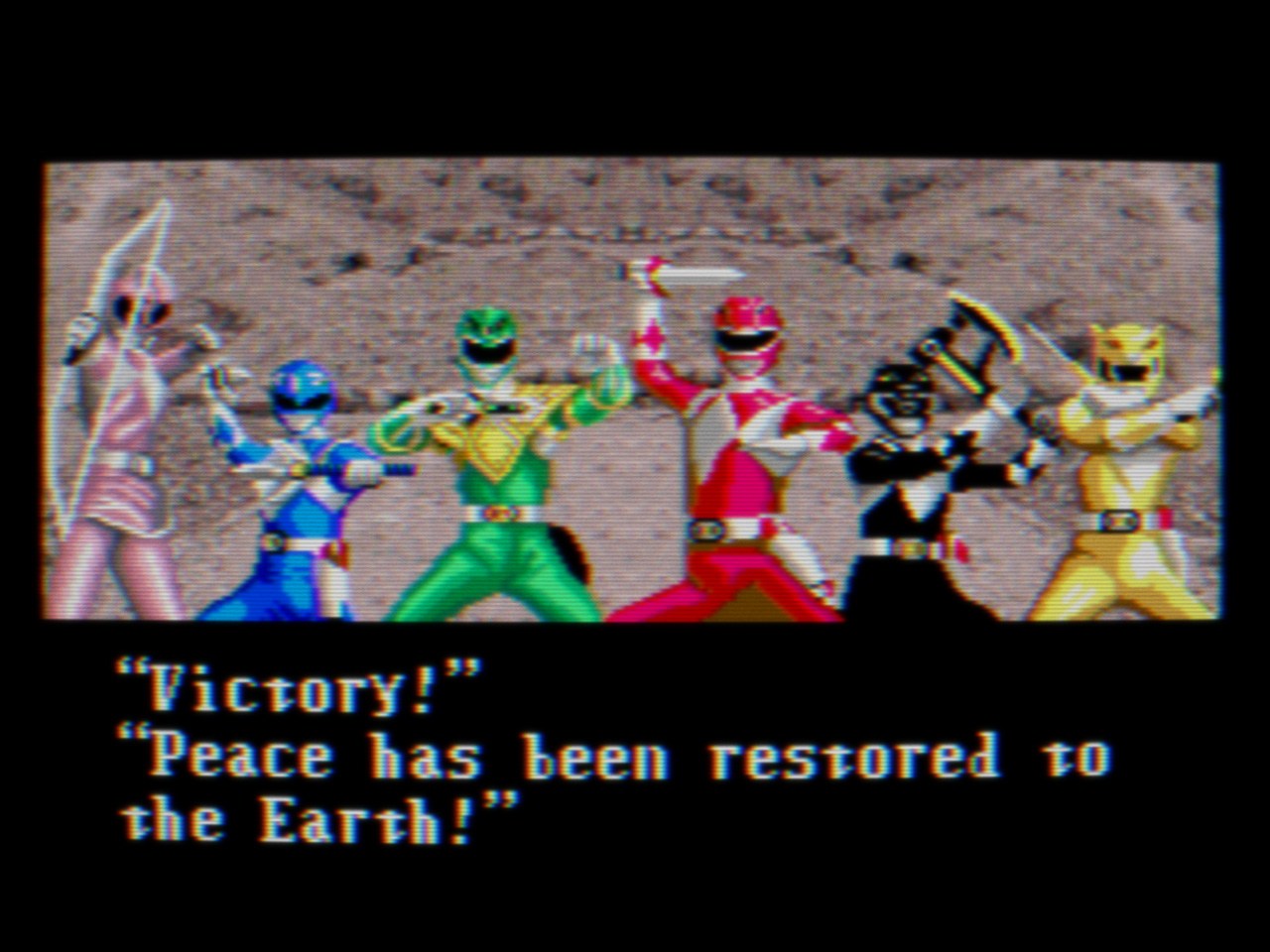
The scale of the phenomenon behind it is easy to underestimate from here. Power Rangers was not a modest children's show with a merchandising arm attached. For a stretch of the mid-nineties it was the dominant force in children's entertainment in Britain, to the point where the toy manufacturer stopped advertising because demand had outstripped supply. A licence that powerful did not need a good game attached to it, and this cartridge proves the point. It sold on the logo and everyone involved knew it would.
For the Codex that makes it more than a bad beat 'em up. It is a record of an enormous cultural moment meeting a publisher willing to do the minimum, and of a small team inside that project who evidently tried to do more.
Magazine scores
- Computer and Video GamesIssue 15943%
- Games World - The MagazineIssue 852%
- Official SEGA MagazineIssue 1357%

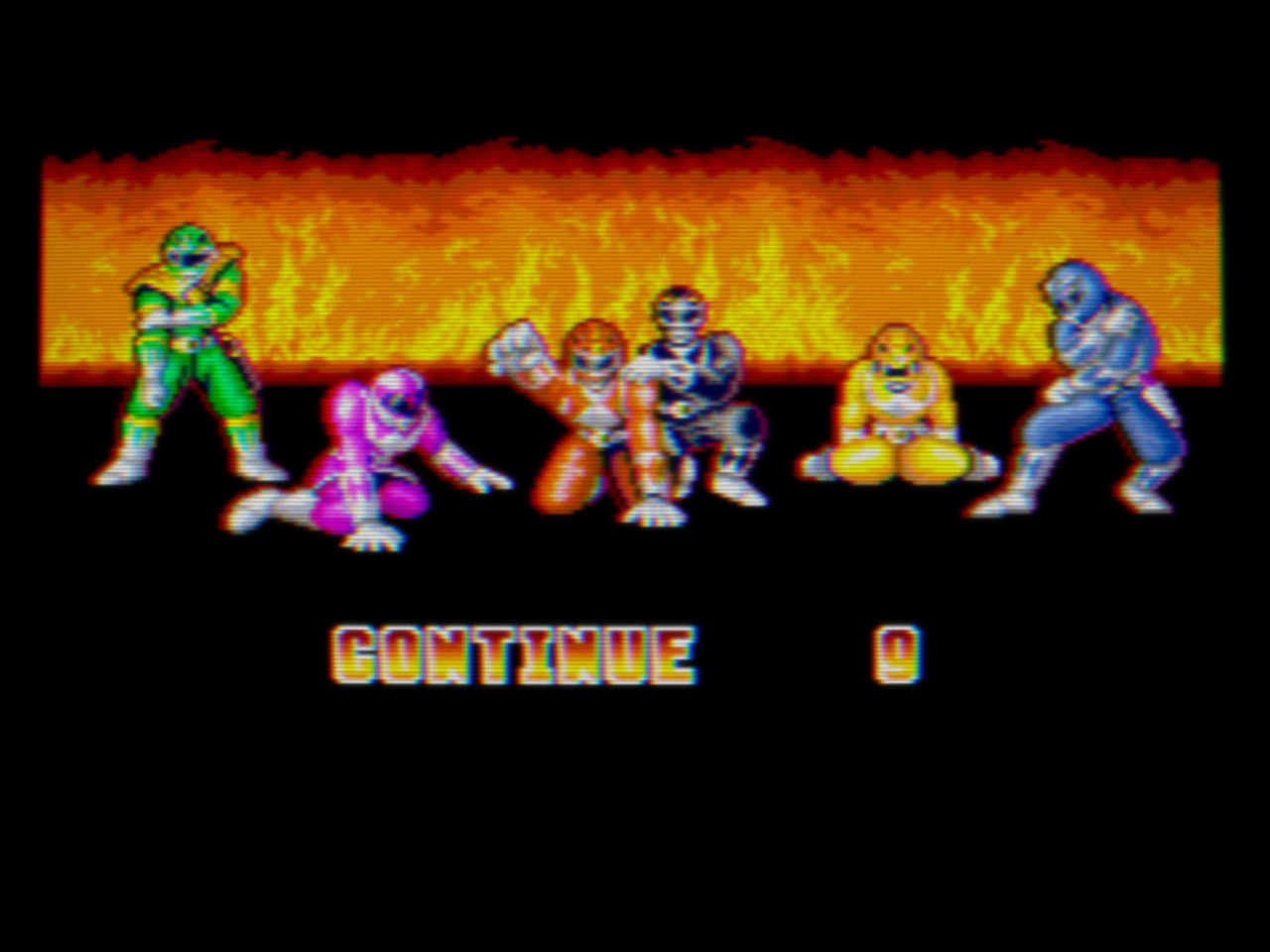
 Shot 1 Bandora PalaceShot 2 Continue Screen
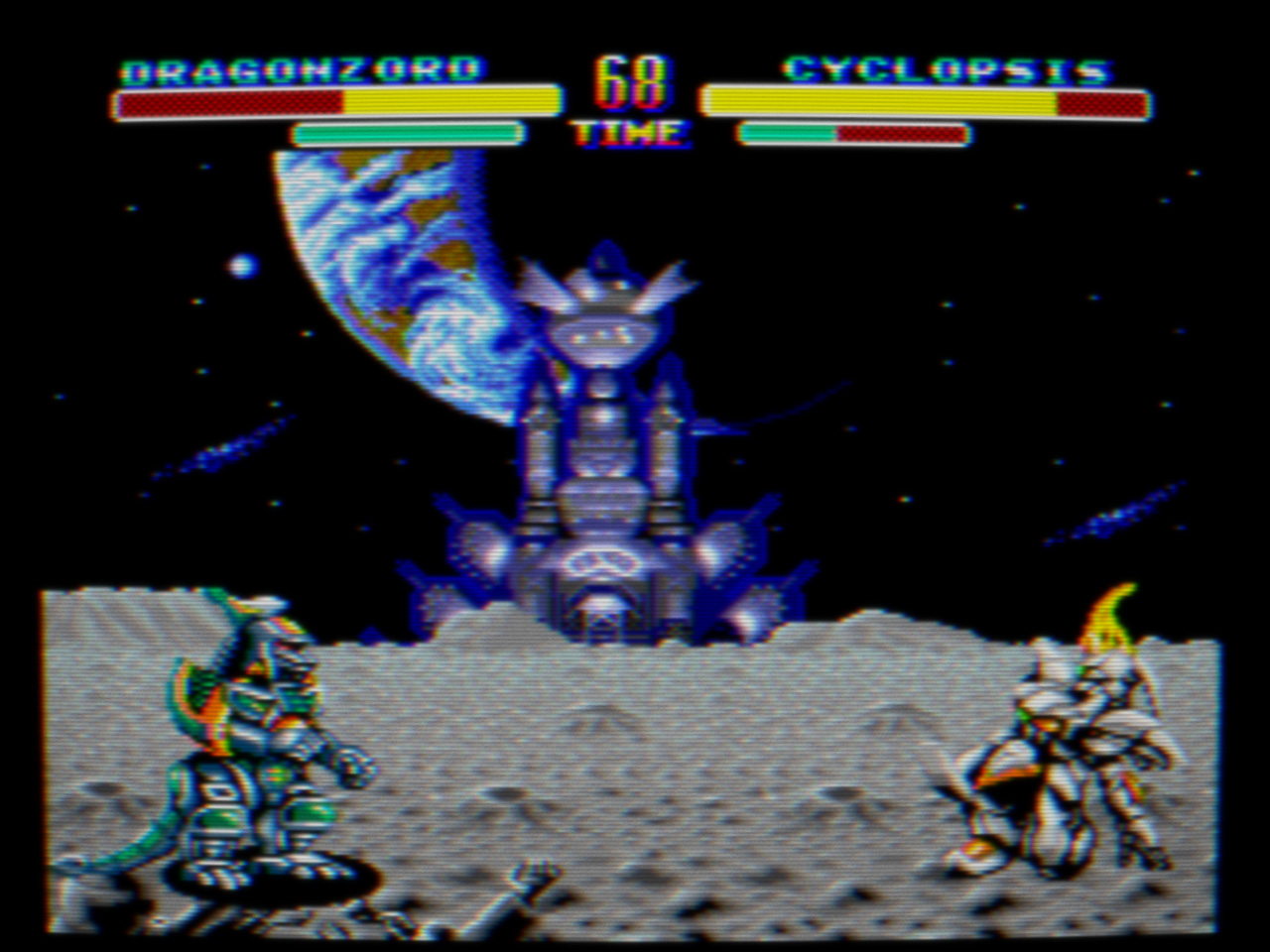 Shot 3 Cyclopsis Stage 1
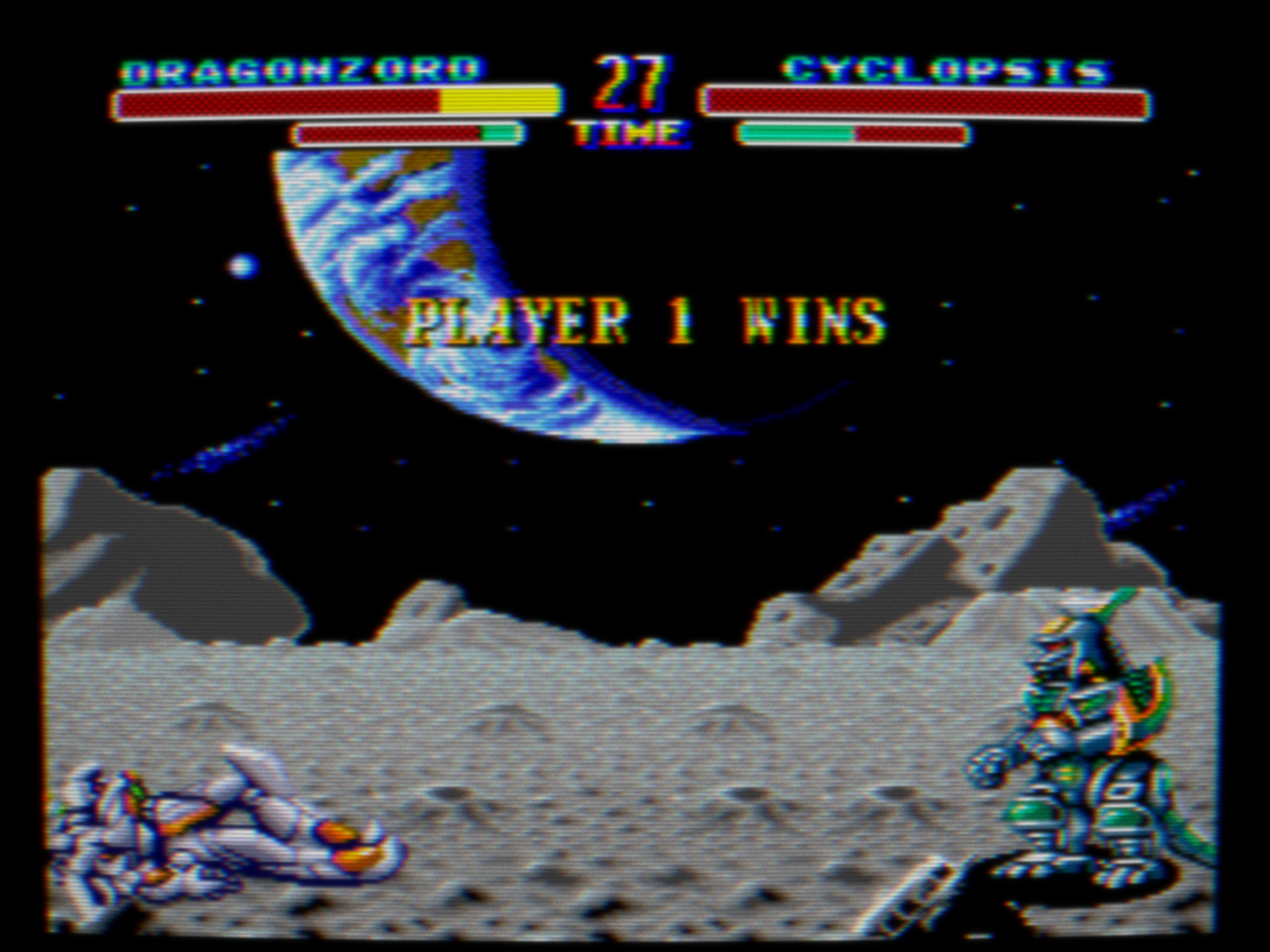 Shot 4 Cyclopsis Stage 2Shot 5 Dragonzord Stage
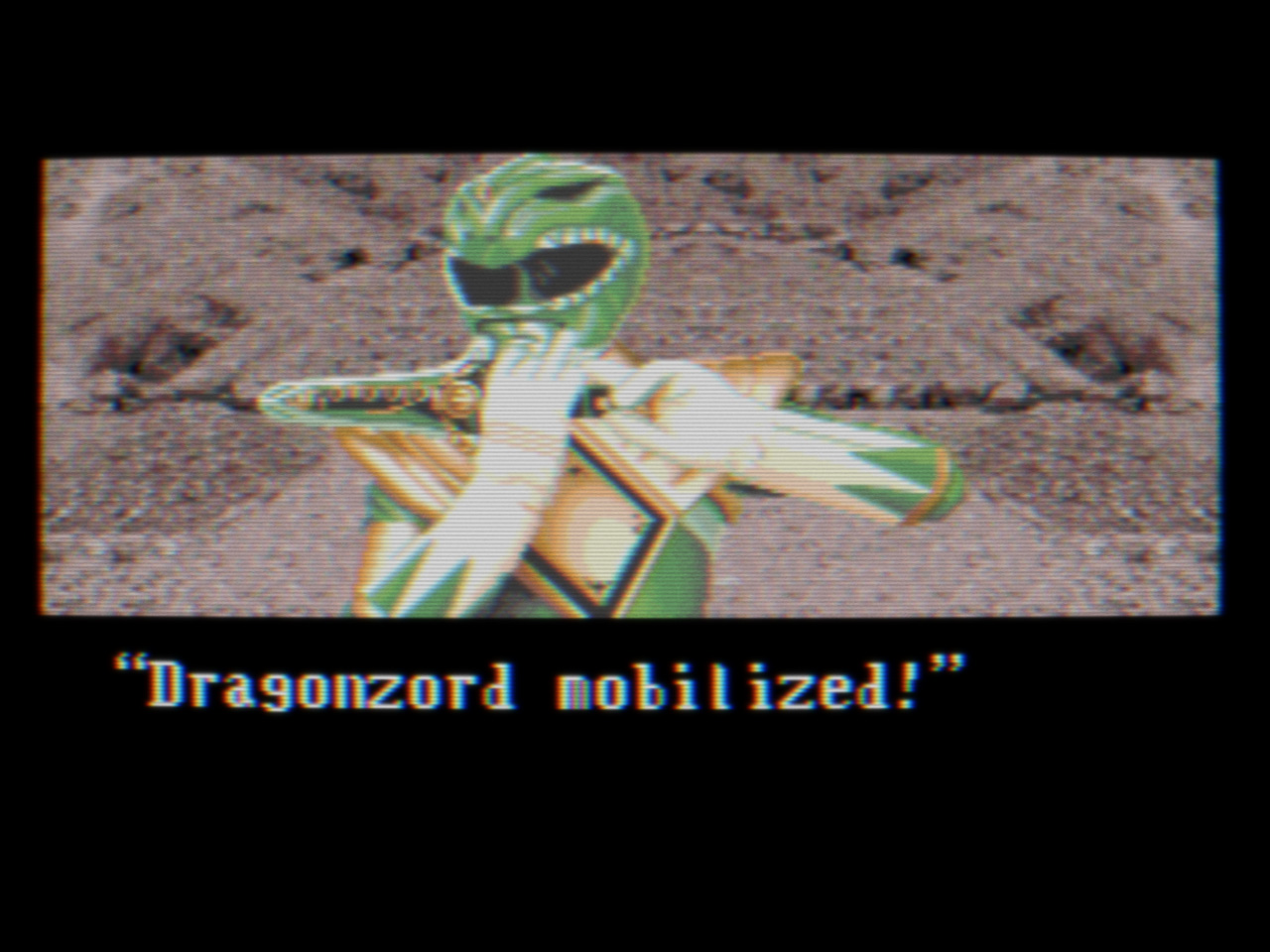 Shot 6 Dragonzord Summon 1Shot 7 Dragonzord Summon 2Shot 8 Dragonzord Summon 3
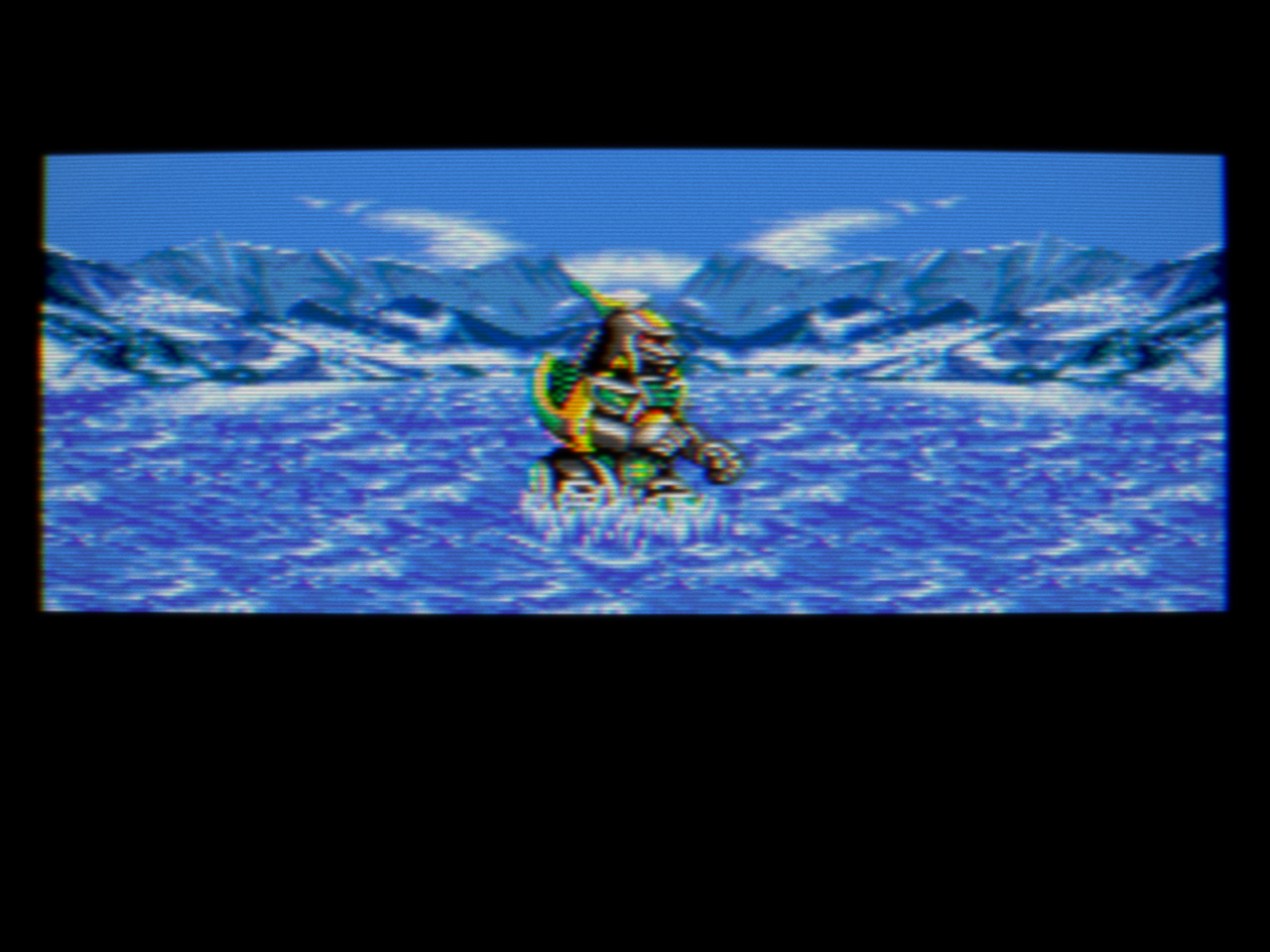
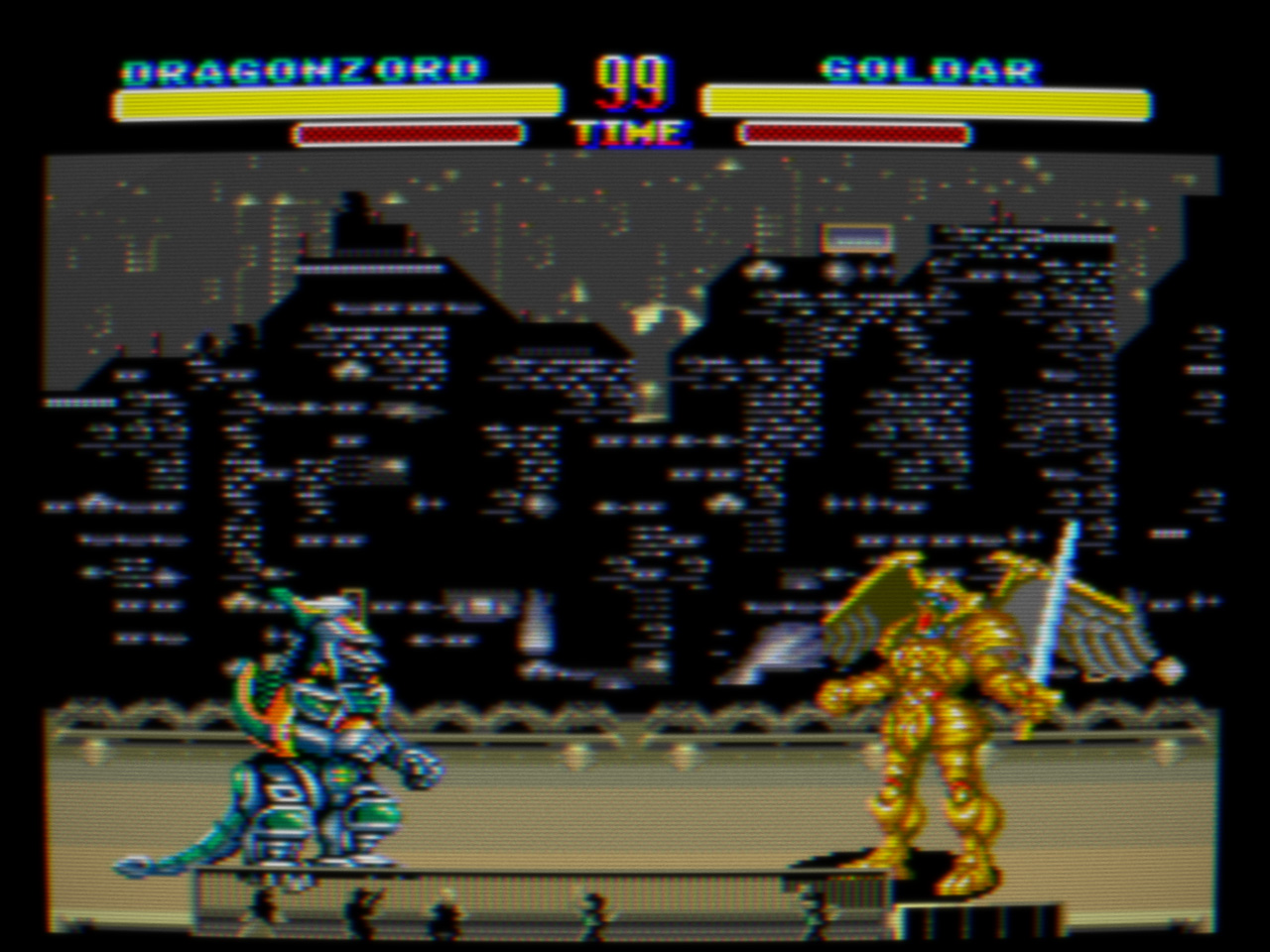 Shot 9 Goldar Stage
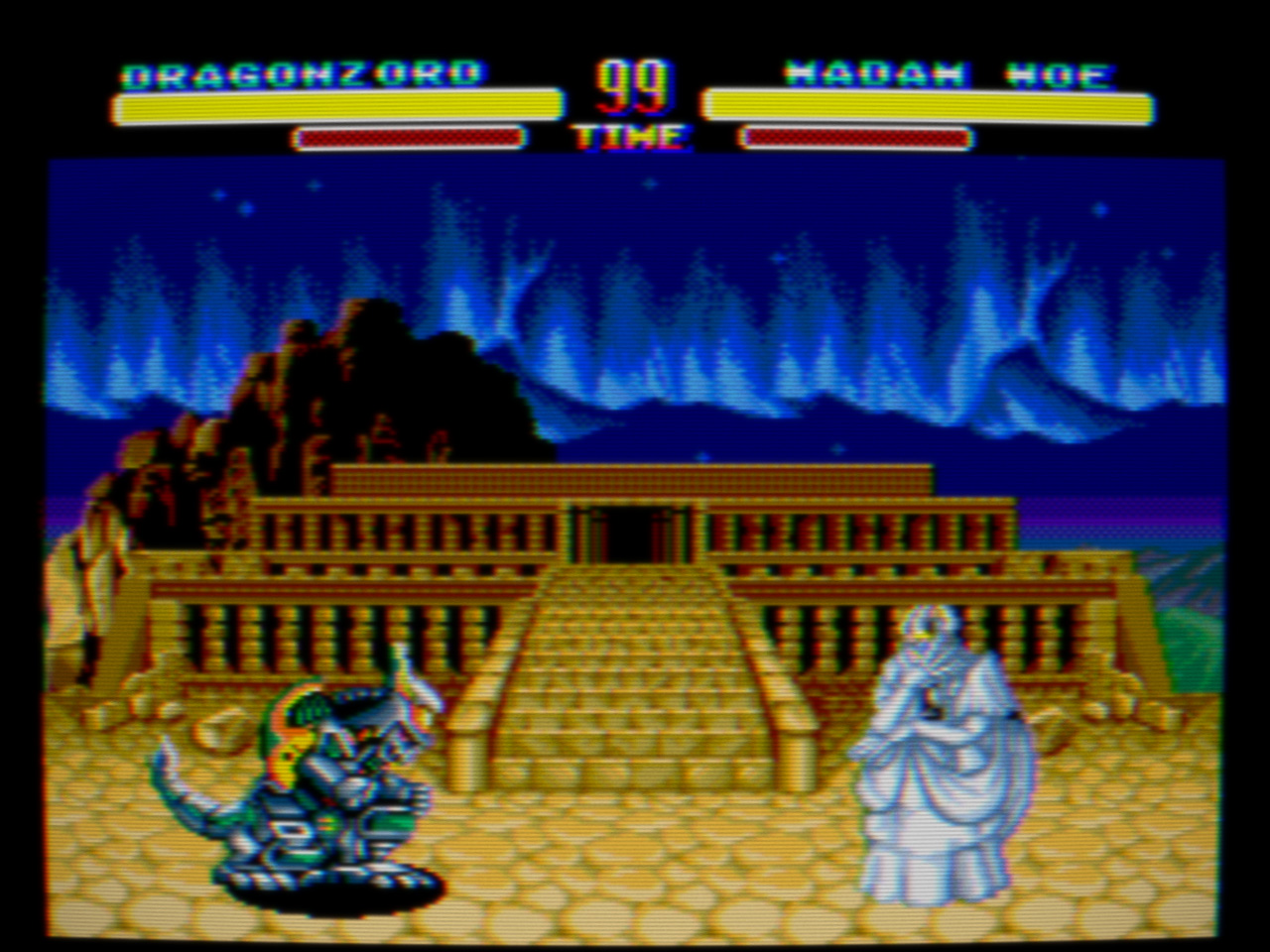 Shot 10 Madam Woe StageShot 11 Megazord Transformation 1
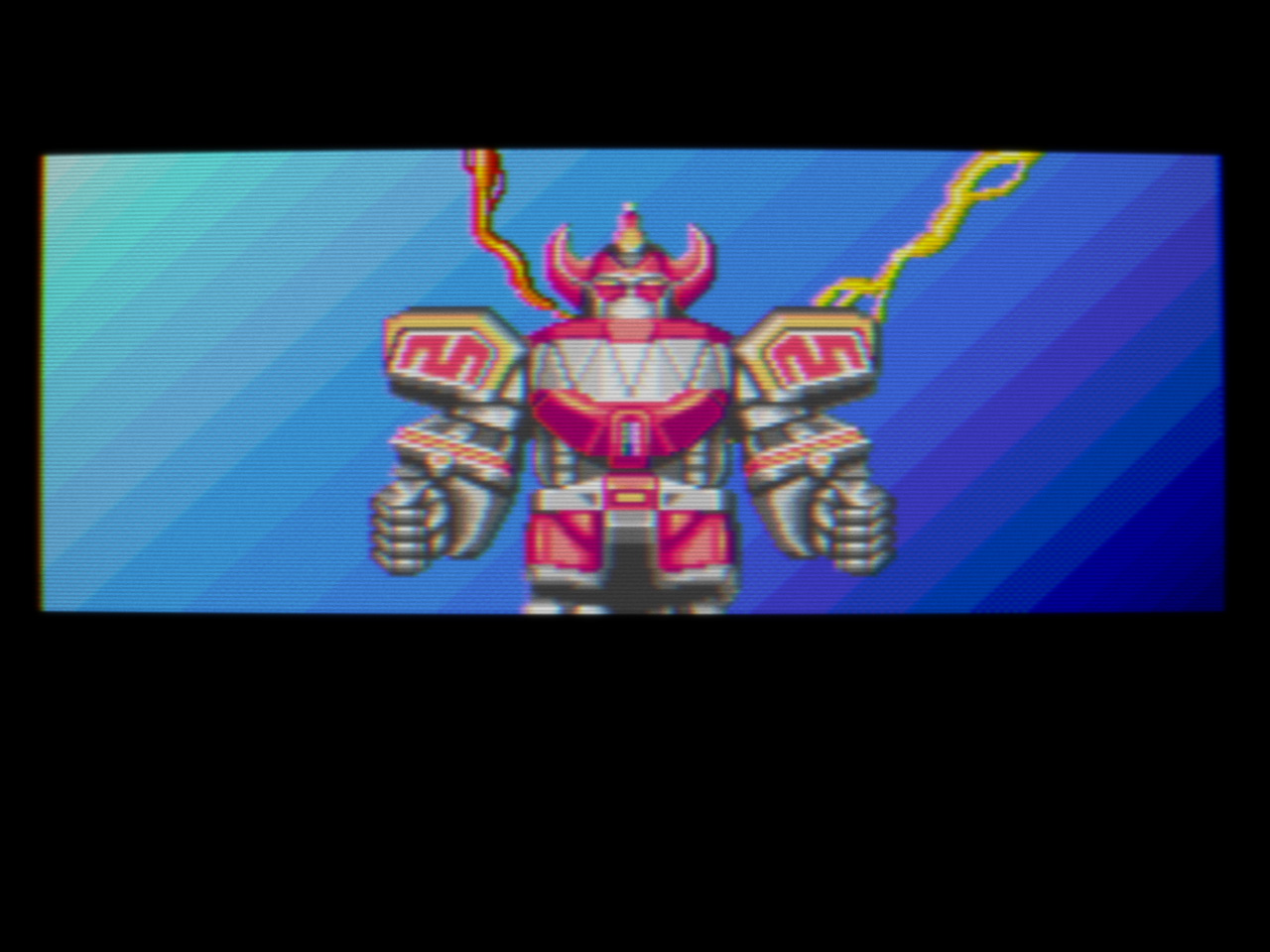 Shot 12 Megazord Transformation 2
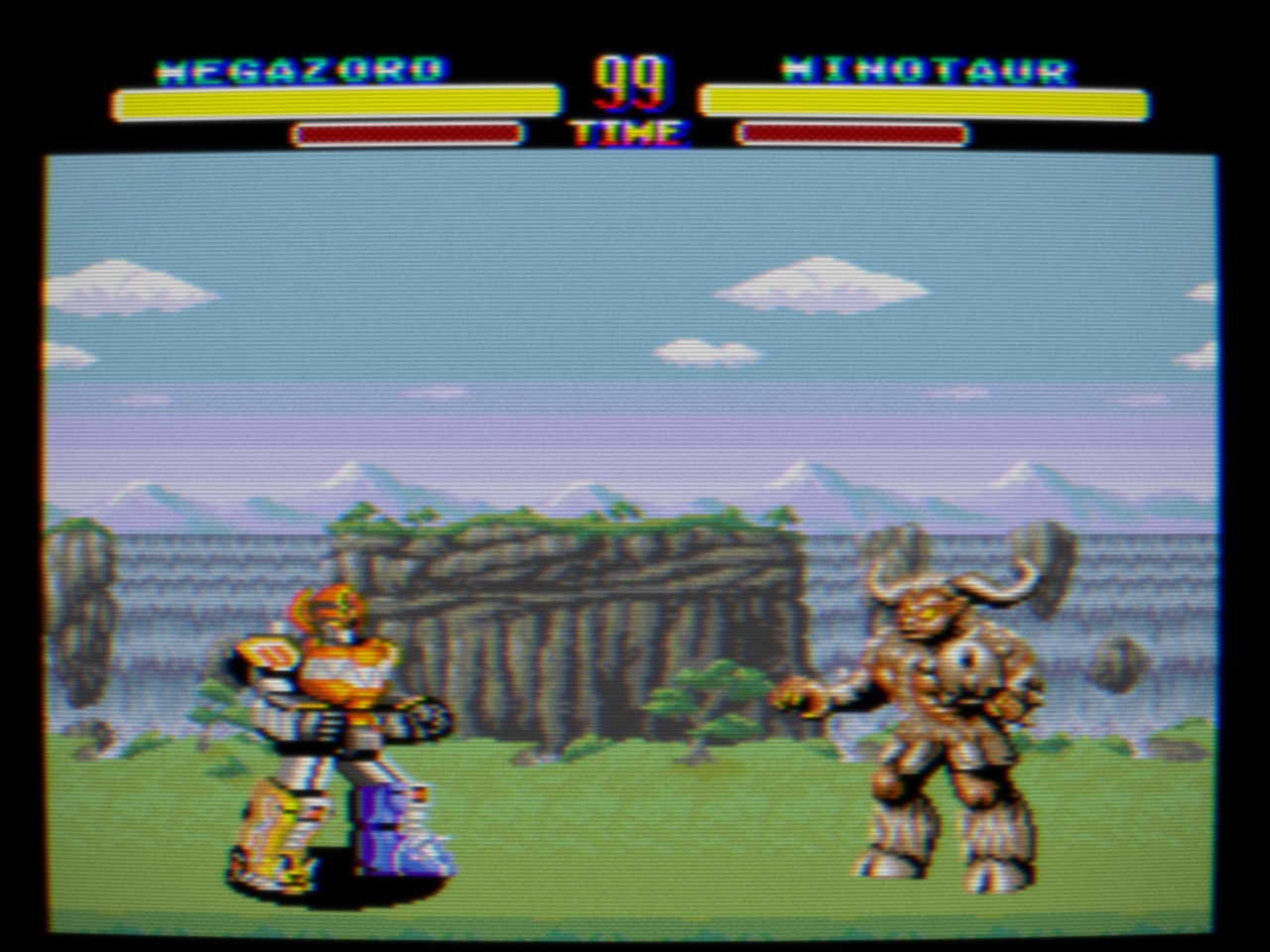 Shot 13 Minotaur StageShot 14 Option Mode
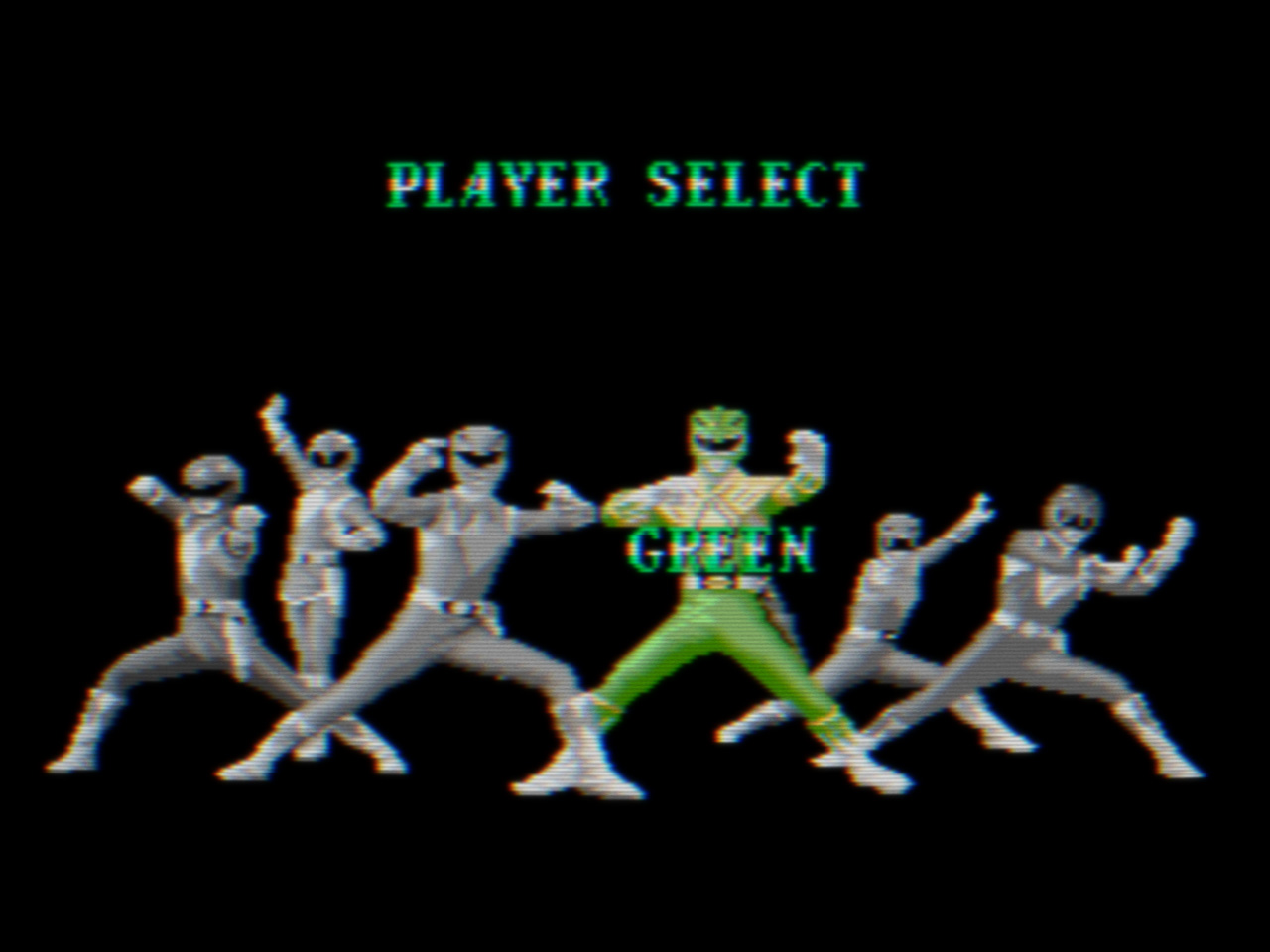 Shot 15 Player Select
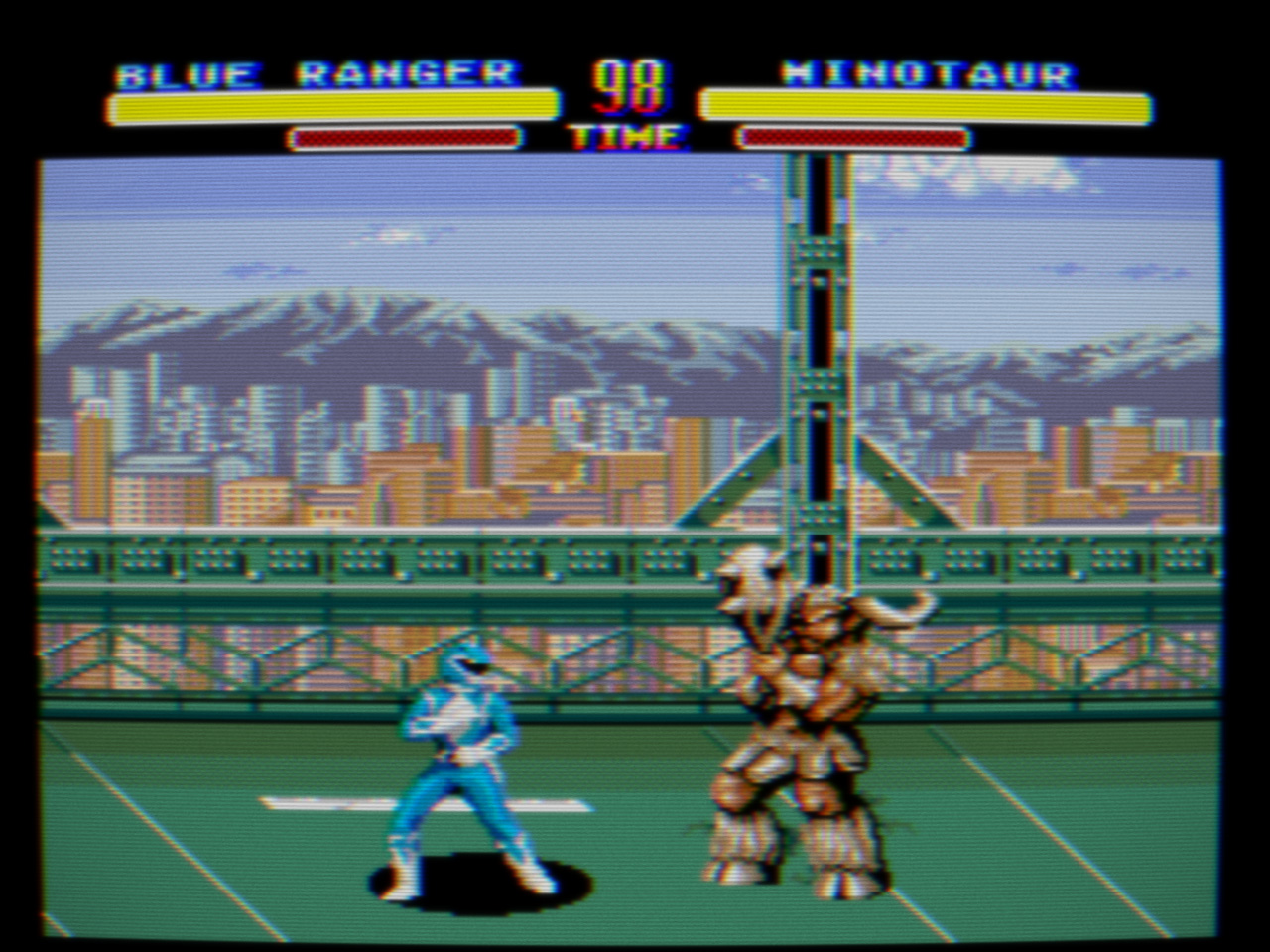 Shot 16 Rangers Stage
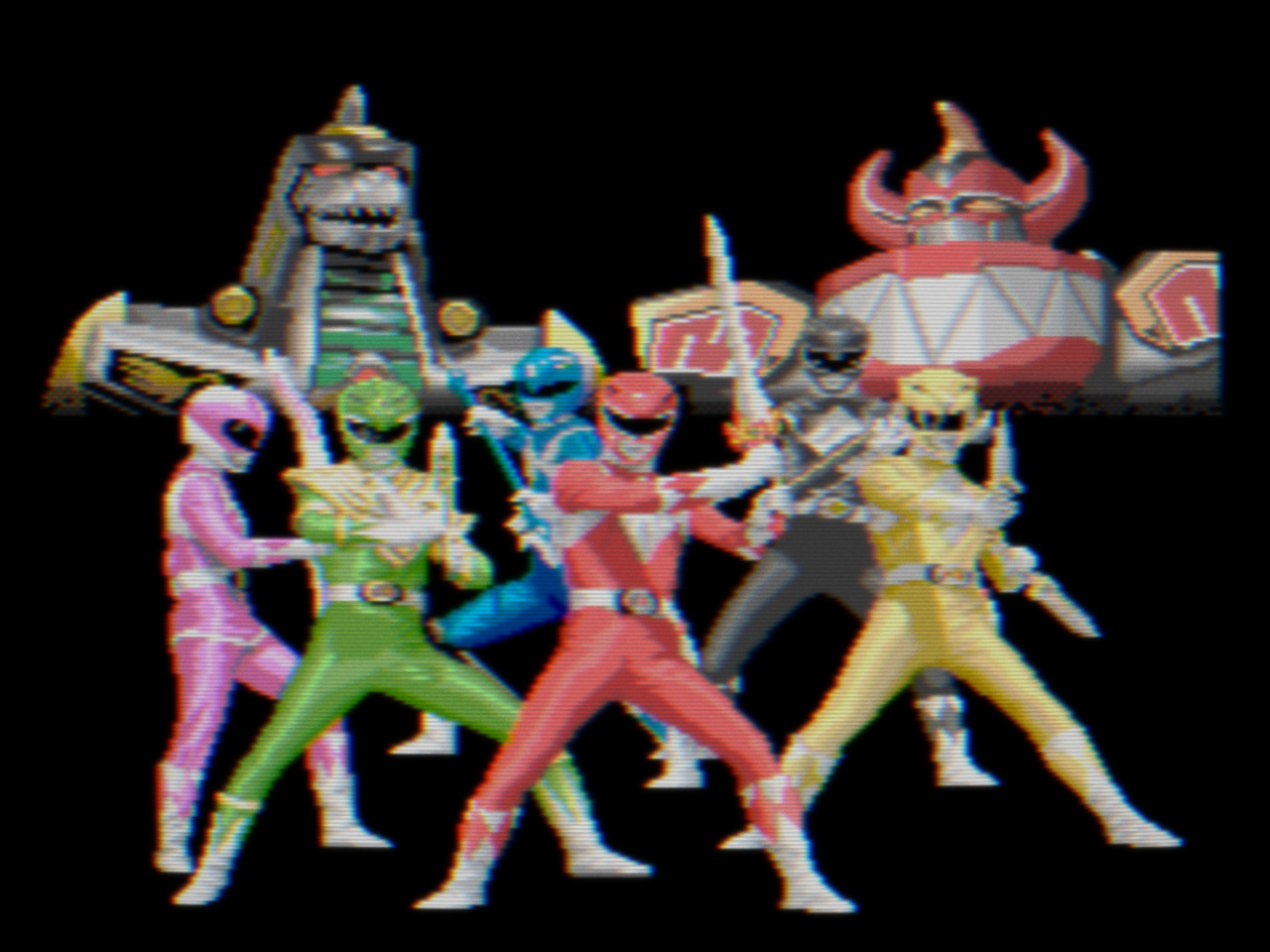 Shot 17 Secret Screen
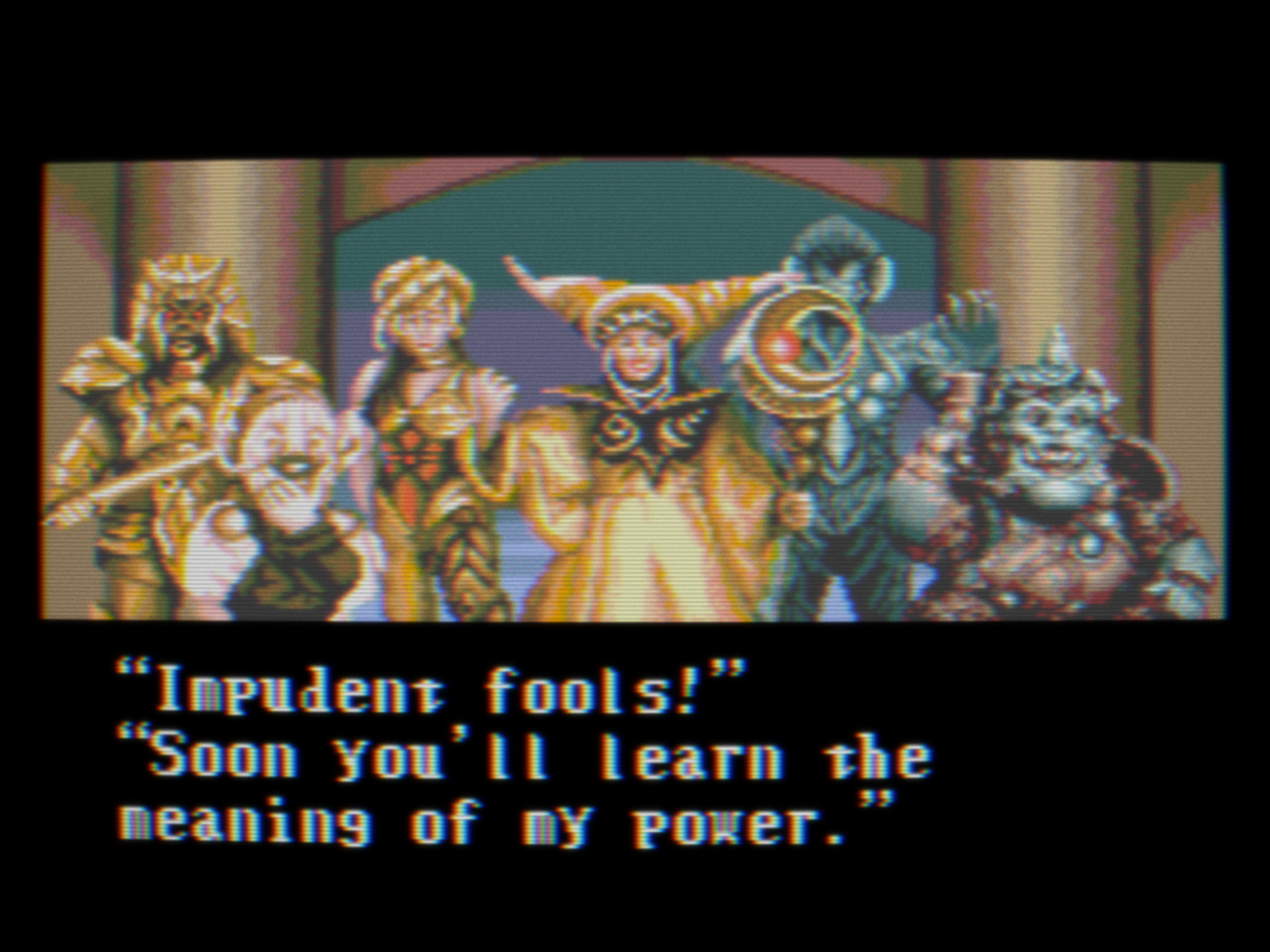 Shot 18 Storyboard 1Shot 19 Storyboard 2Shot 20 Title Screen Menu