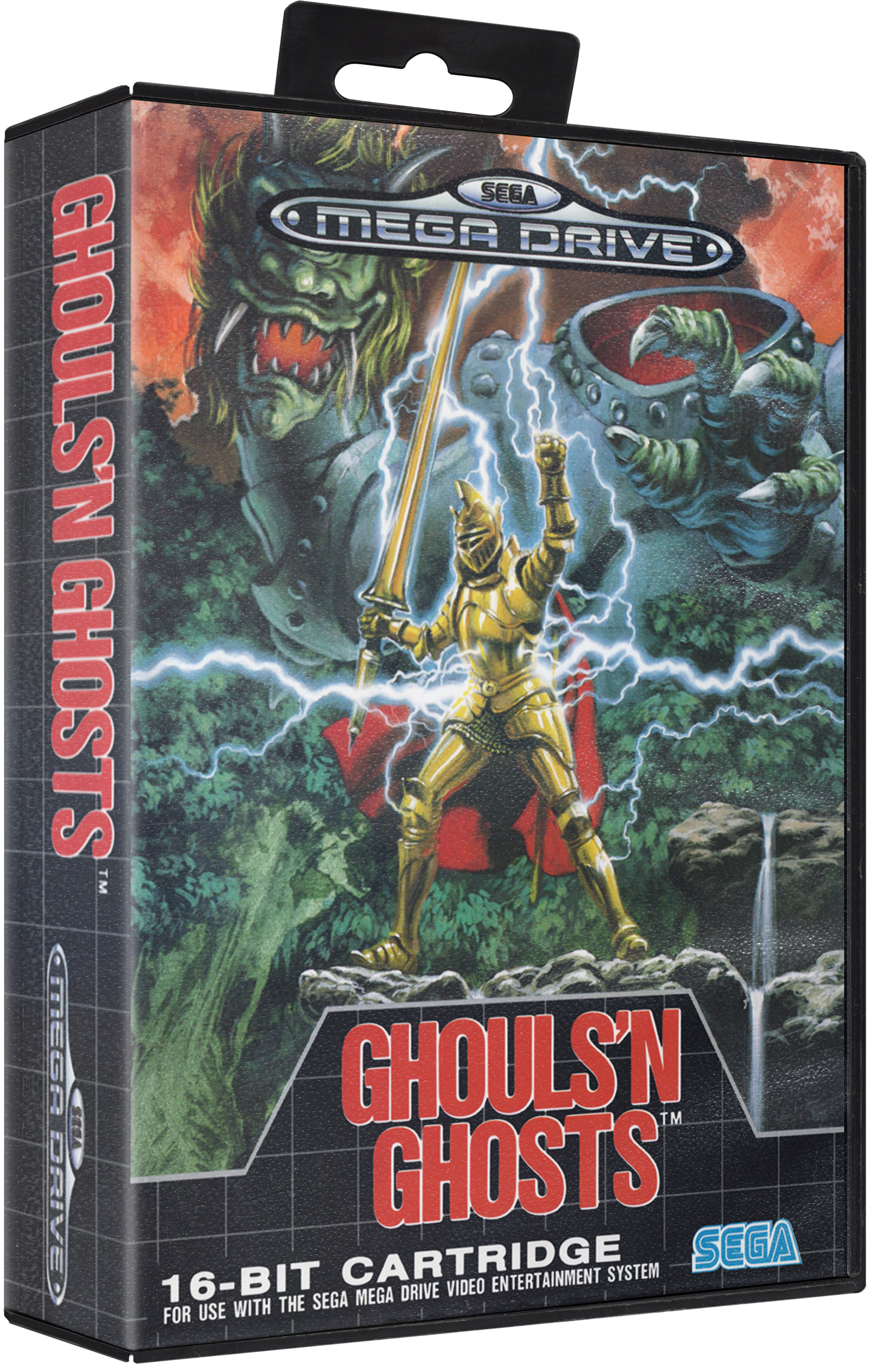
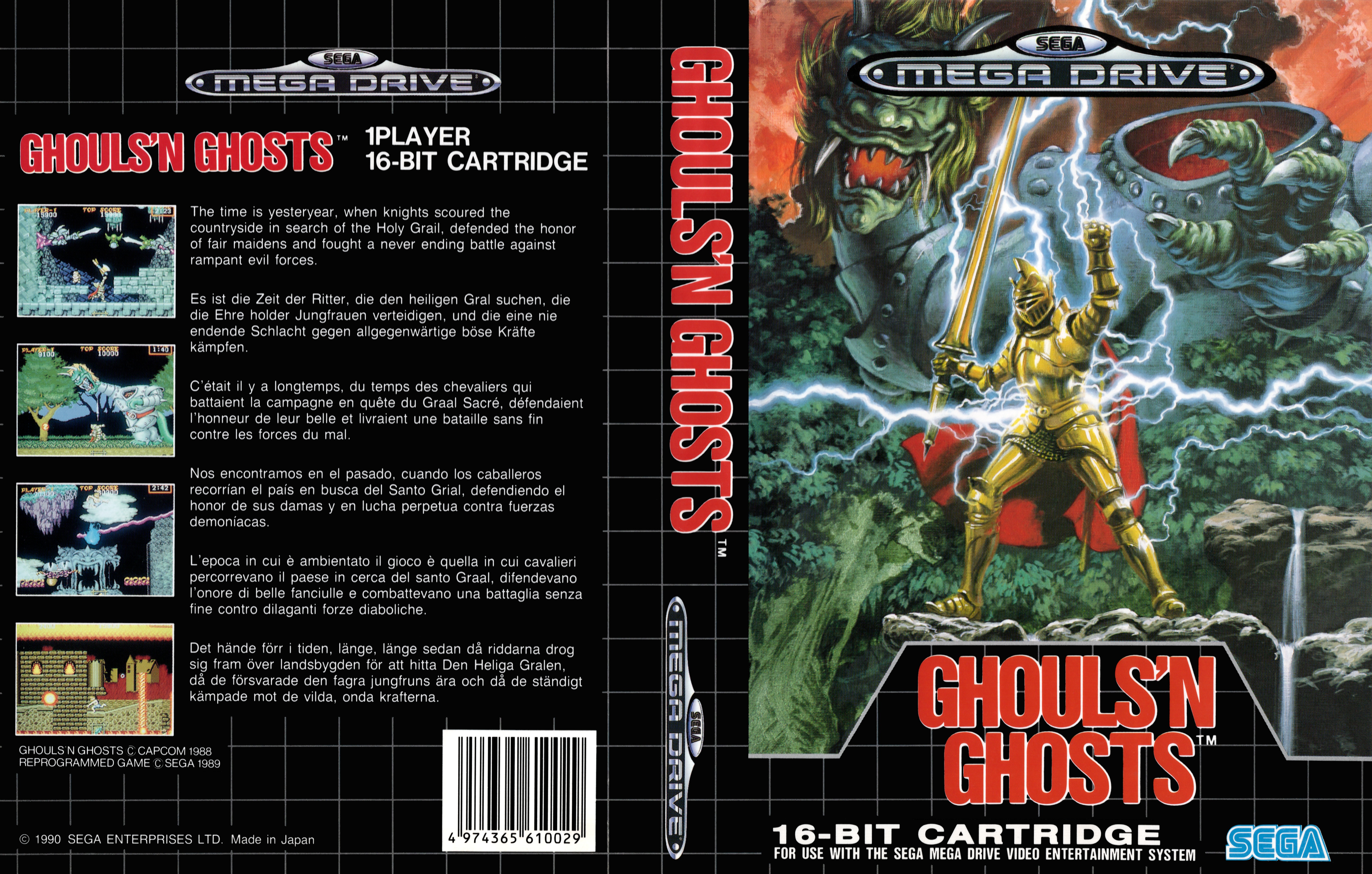
Ghouls'n Ghosts
Codex Essential — Gold
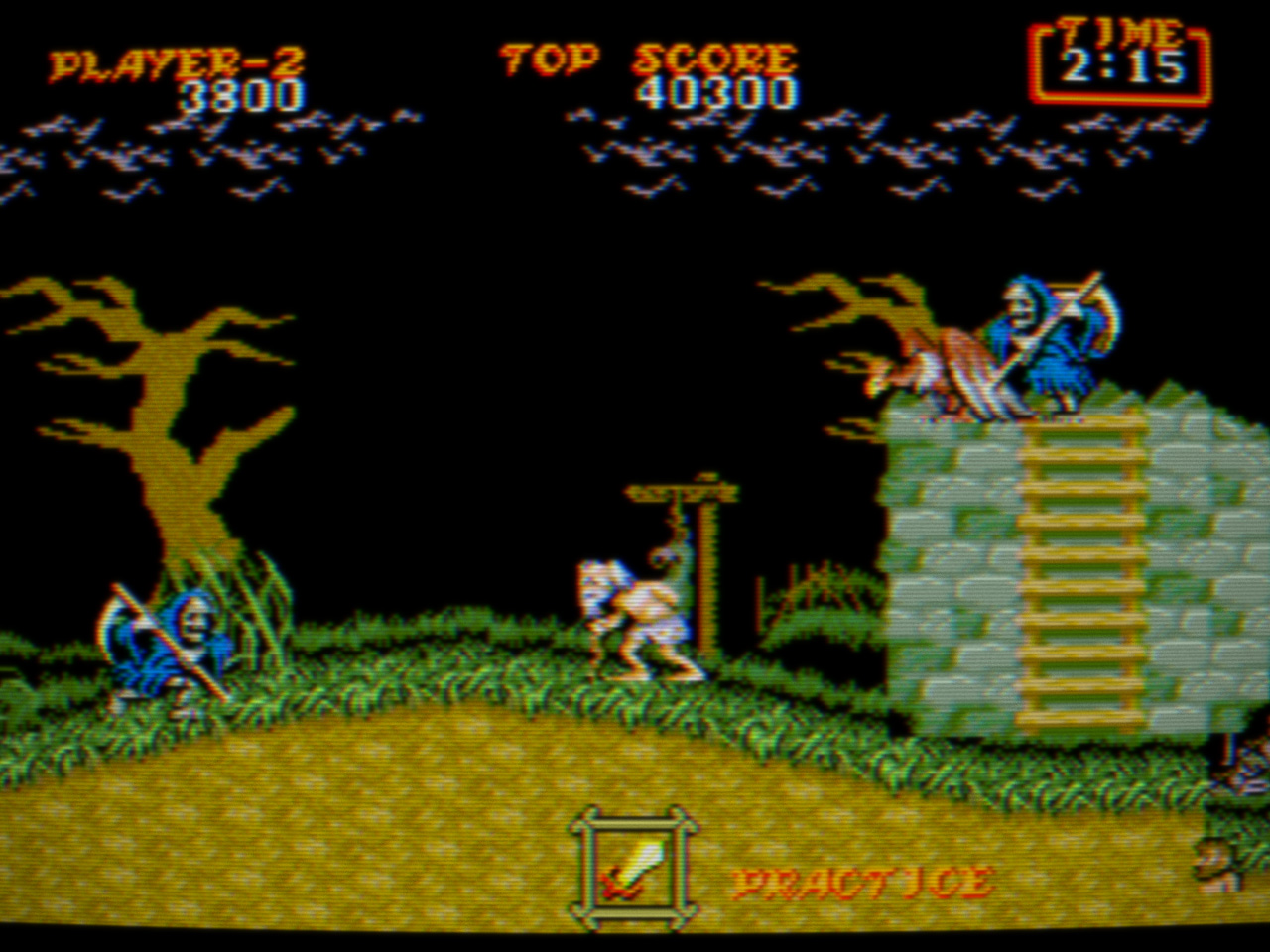
Spare a thought for Sir Arthur. The man has already done this once. He has already pulled on the armour, marched through the graveyard, fought his way past every rotting horror the underworld could throw at him, and rescued his girlfriend from the clutches of evil. He had, by any reasonable standard, earned a sit down.
And then Loki turned up and took her again.
So here we are. Same knight, same armour, same pair of Y-fronts he has apparently been wearing since the first game, and a fresh five levels of hell standing between him and a woman who must, by this point, be starting to wonder whether the relationship is worth the aggravation.
Ghouls'n Ghosts is a conversion of Capcom's arcade machine, and the claim being made for it, in nearly every magazine that has put it in front of a reviewer, is that it is arcade perfect. Not "close to". Not "a good effort given the hardware". Pixel for pixel, sound for sound, the coin-op in your front room. That is a colossal thing to claim for a home cartridge, and the sort of claim that normally falls apart the second you sit down with the thing.
This one holds up. Read on to find out why, and then read a bit further to find out exactly how much punishment you are letting yourself in for.
The quest, and the nasty little twist in it
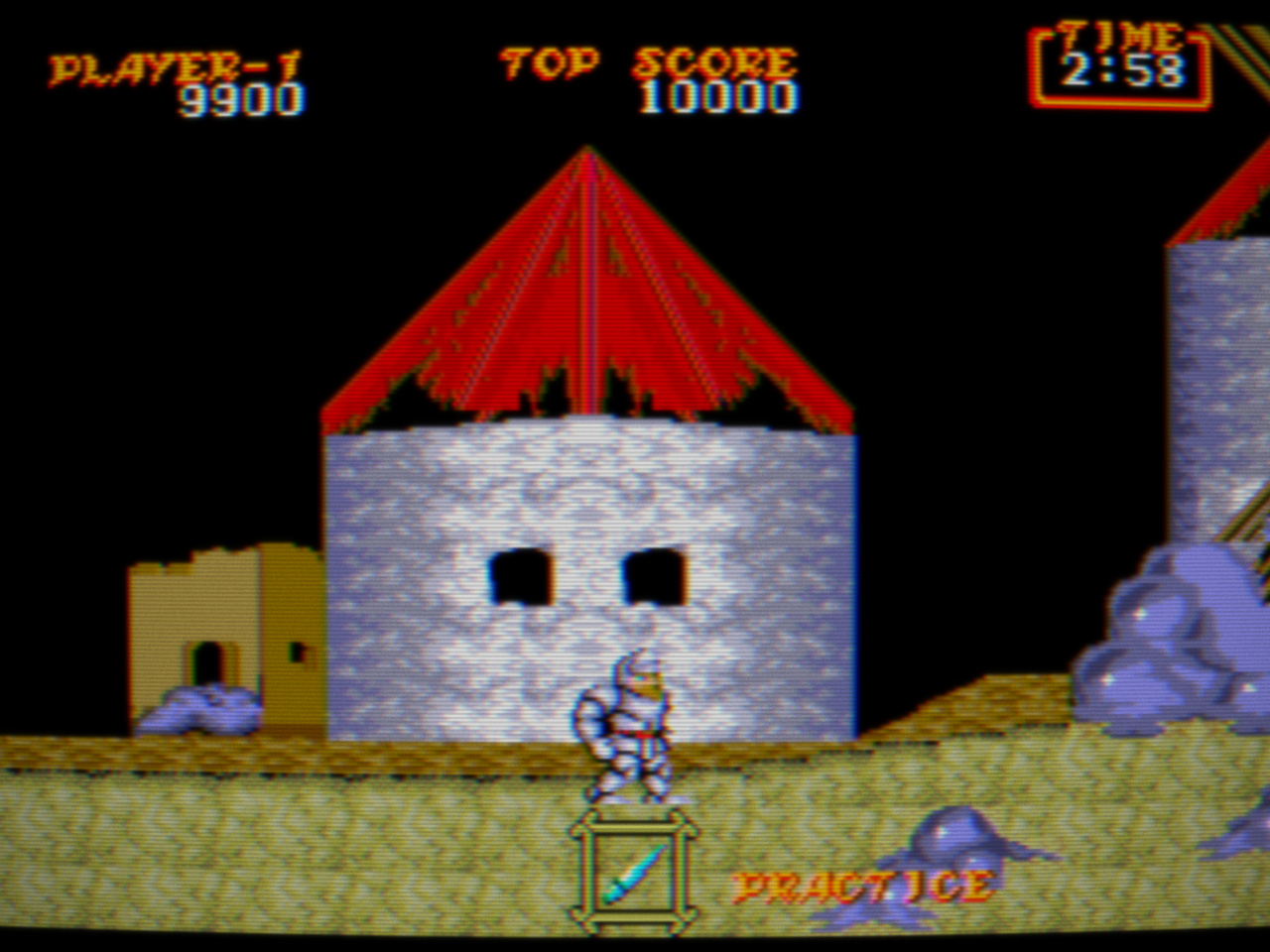
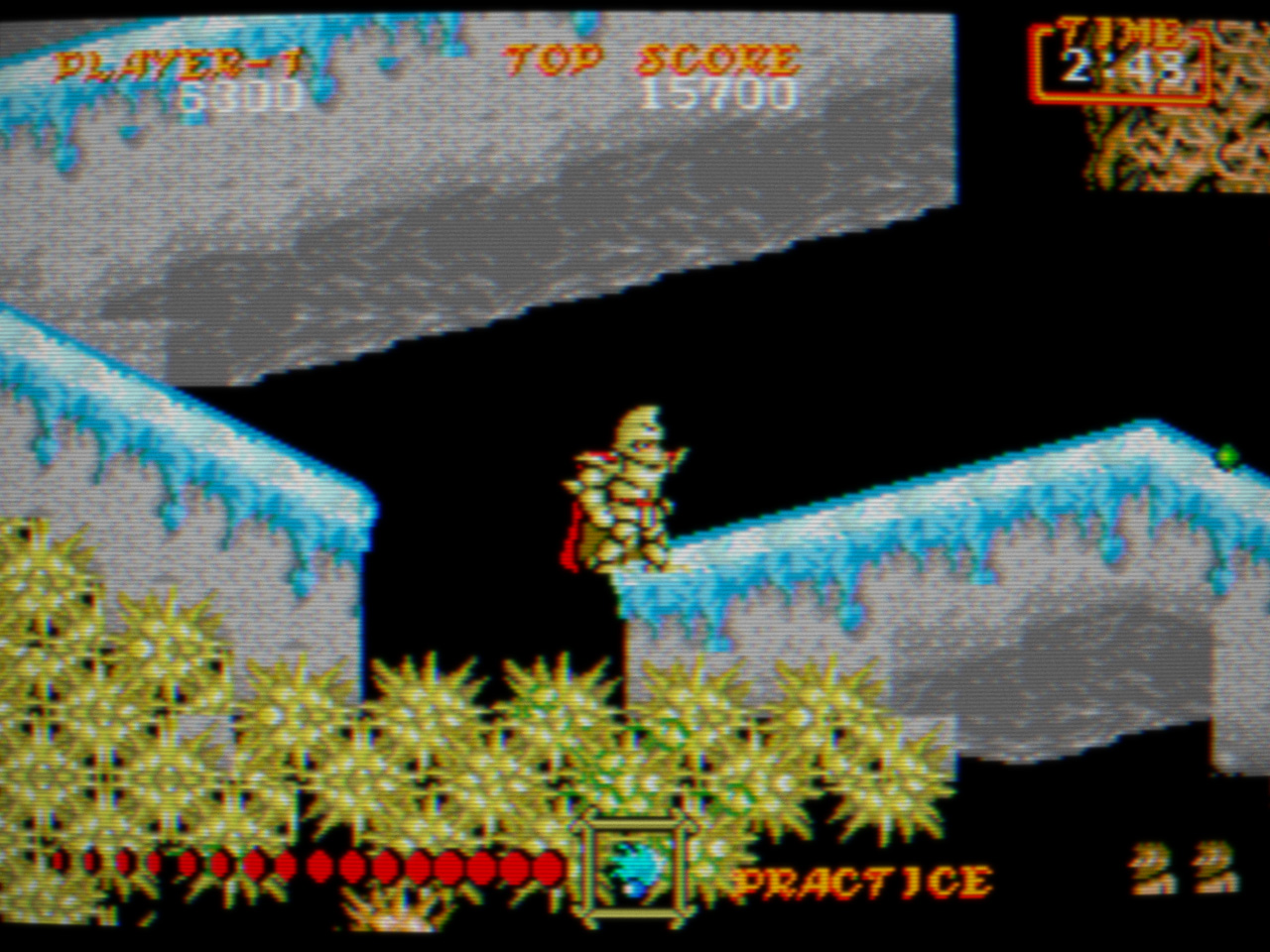
Five levels. A rain-lashed graveyard, a blasted village of fire and windmills, a castle's battlements, a network of frozen underground caverns, and finally the innermost dungeon of Loki's castle. Arthur runs, jumps, ducks and throws whatever weapon he is carrying in whichever direction you point him. That is the whole control scheme and it is all you need.
What you are not told at the outset, and what constitutes the single most notorious piece of design in this game, is that reaching the end of those five levels is not the end of the game.
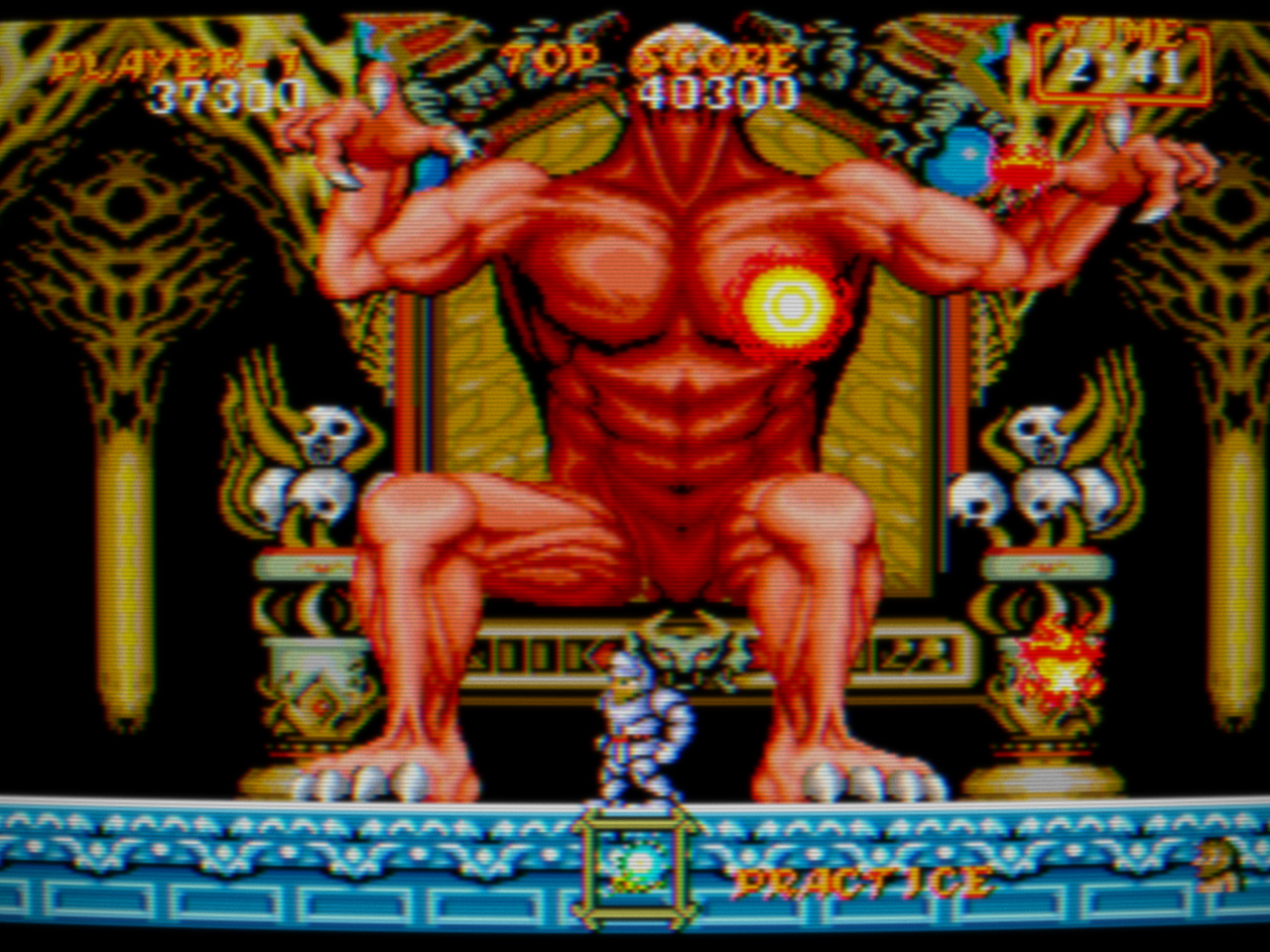
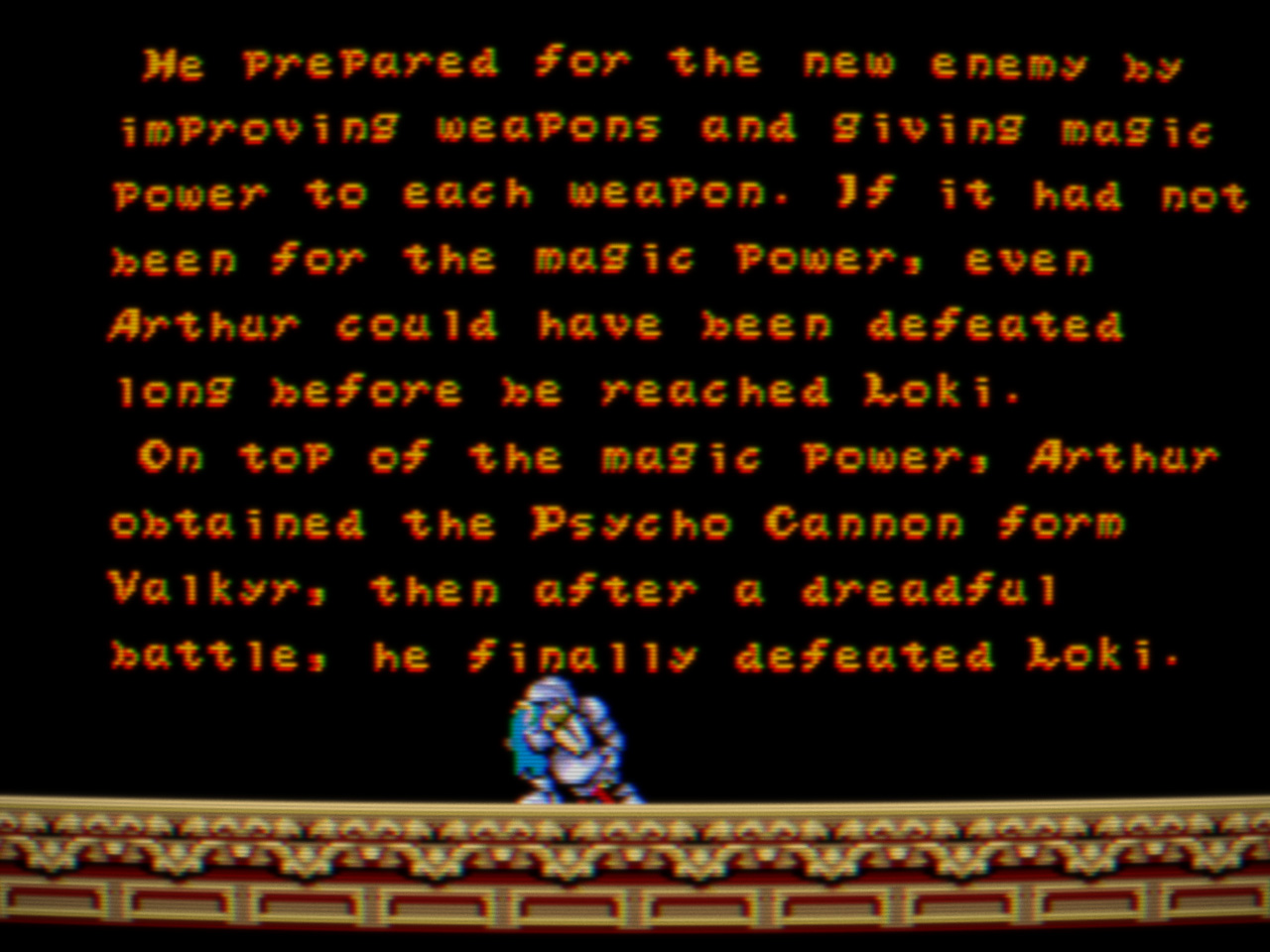
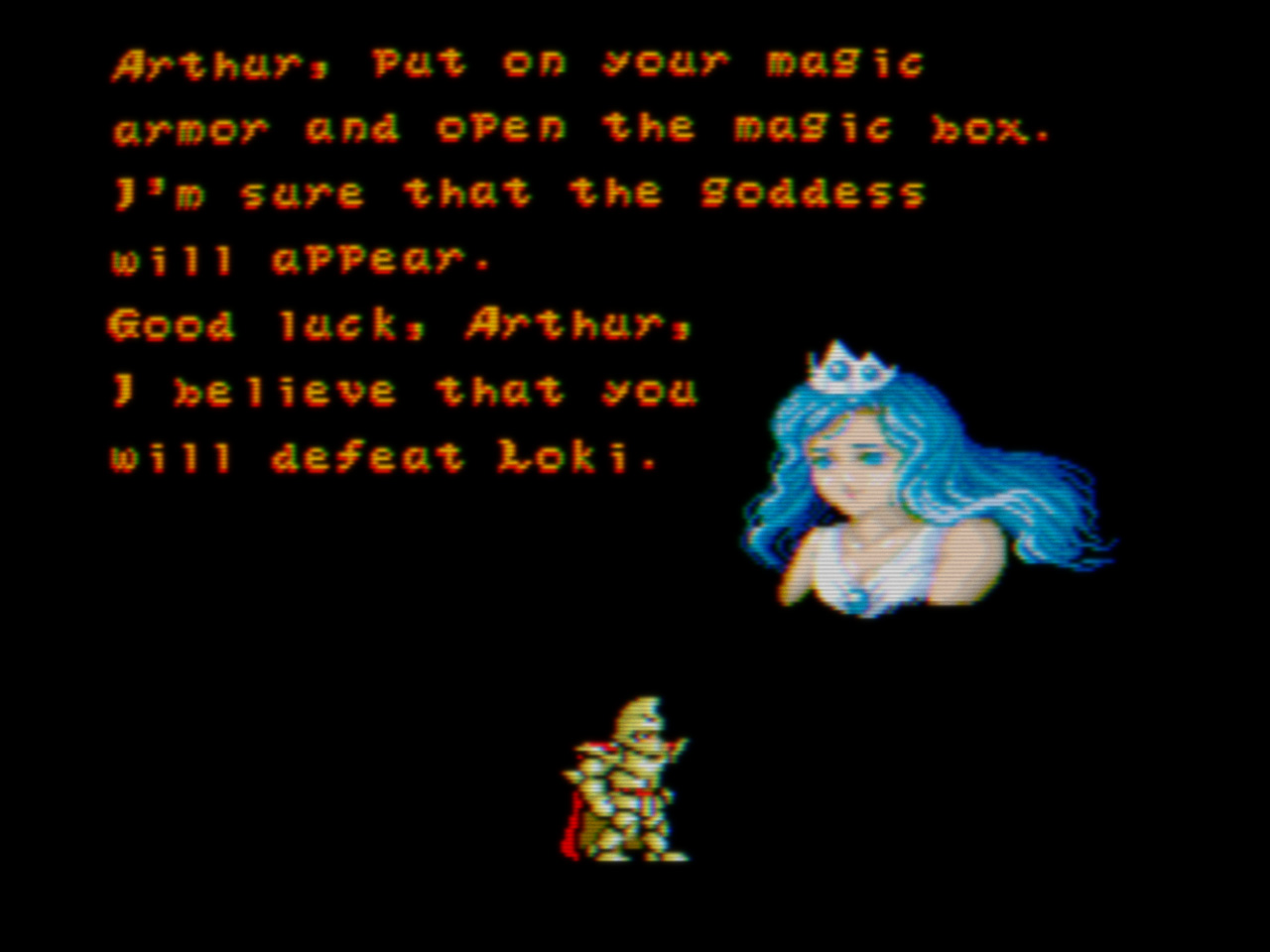
Fight your way to Loki's inner sanctum, and a wizard appears to explain, with the air of a man delivering bad news about a mortgage application, that Arthur does not possess sufficient power to actually kill the demon. Arthur must go back. All the way back. And do the entire thing again, this time hunting down the specific magic weapon that makes Loki killable, before he is permitted to have a proper go at the final boss.
Two full runs through five of the hardest levels on this console, and the second run is not a victory lap. It is the same gauntlet, with you now carrying the knowledge that everything you just survived is about to happen to you a second time. Whether you find that a thrilling extension of the challenge or the single most demoralising design decision in the entire Capcom catalogue will depend enormously on your temperament. We have met people in both camps and neither of them is wrong.
Two hits and you're bones
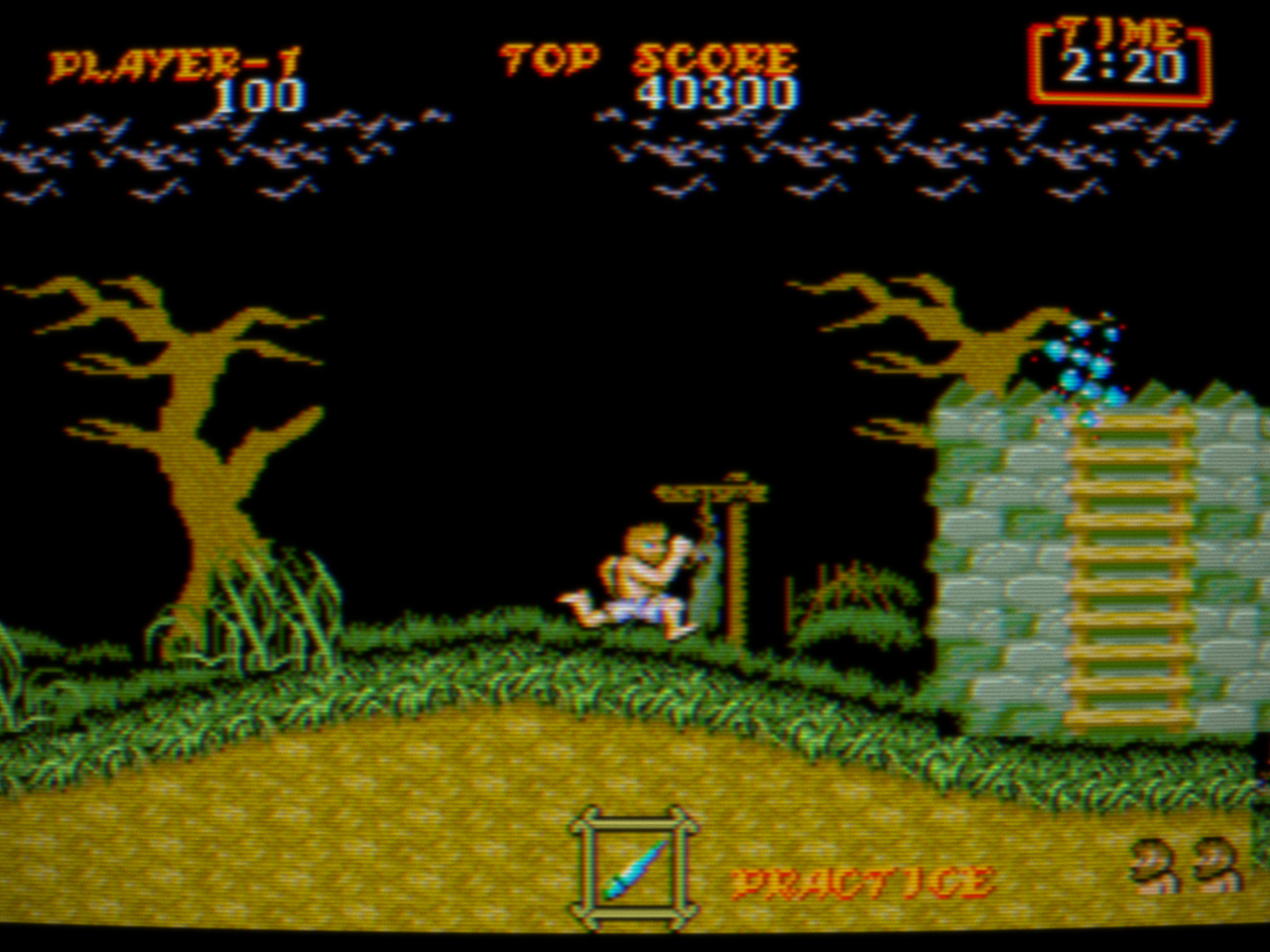
Arthur is not durable. The first hit from anything, demon, missile, spitting plant, badly-timed skeleton, strips his armour clean off and leaves him charging about the graveyard in his underwear. This is very funny for about half a second and then becomes terrifying, because the second hit reduces him to a small pile of bones and a fading scream, and back to the start of the stage you go.
The armour is not a health bar. It is a single extra life dressed up as a suit of plate, and the game is absolutely delighted to take it off you. A handful of hazards skip the courtesy entirely: the Venus flytraps dotted through the later levels will kill you outright whether you are armoured or not, because Capcom decided that some deaths should simply be non-negotiable.
Unlimited continues take the sting out of this, and they matter more than they might sound. You restart at the beginning of the stage you died on rather than the beginning of the game, which means progress is never truly lost, only time. Without that concession this game would be genuinely unreasonable. With it, it is merely extremely hard, and the difference between those two things is the difference between a game you throw across the room and a game you keep coming back to at two in the morning telling yourself you will get it this time.
Chests, weapons and the sword you should never pick up
Treasure chests are scattered through every level and have to be broken open to reveal what is inside. They are one of the smartest things in the game because they are a genuine gamble rather than a guaranteed reward.
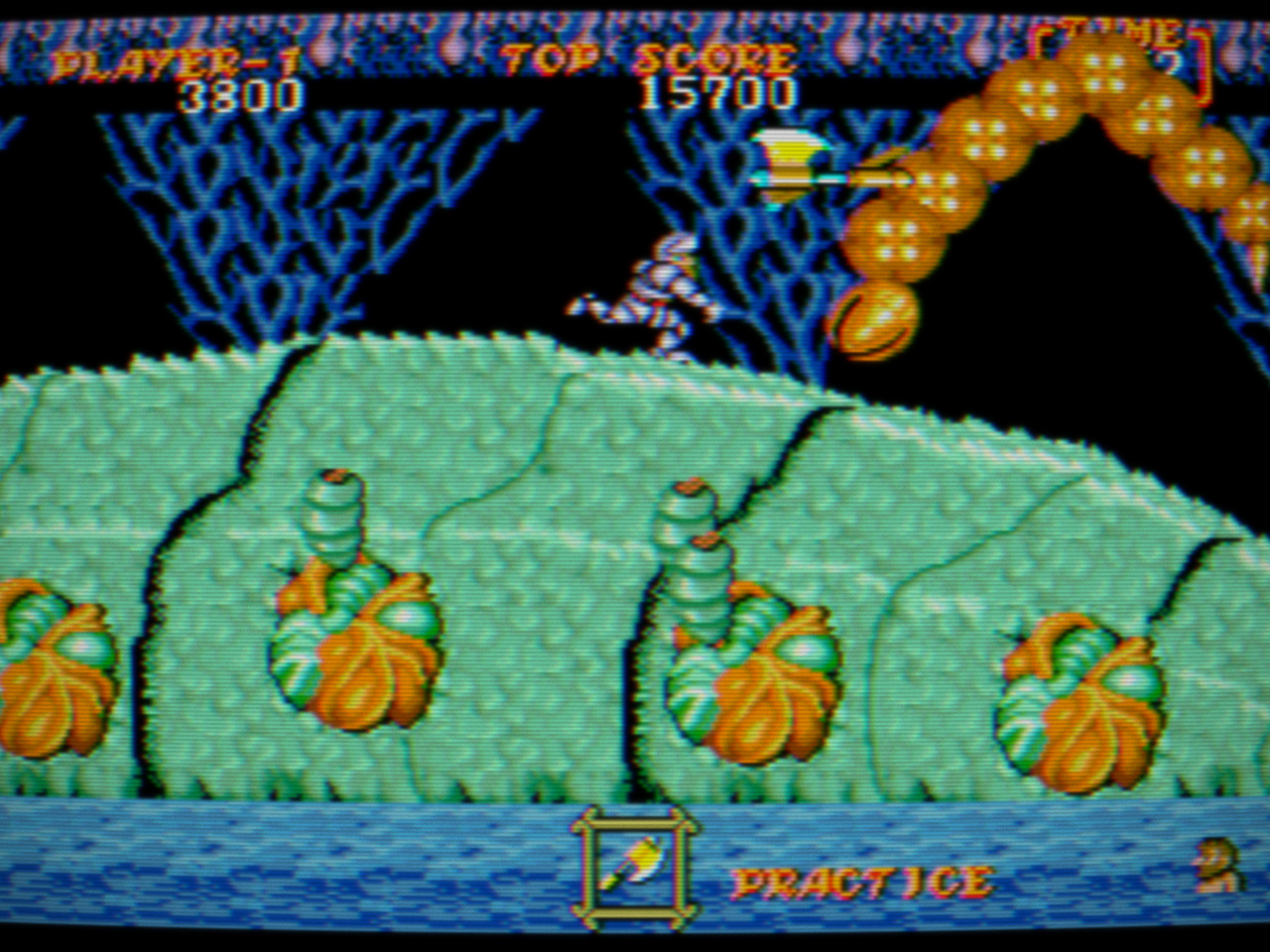
Most of the time you will get a weapon. The lance you start with is honestly fine, fast and straight and reliable. The dagger fires quickly. The axe arcs upward and is excellent for the flying horrors. The discus is good for anything at ground level. And then there is the sword, which is slow, short-ranged, and very nearly useless, and which the game will happily hand you at the worst possible moment. Learning which weapon suits which stretch of level, and learning to walk past a chest rather than risk having your good weapon replaced with the sword just before a guardian, is a real part of playing this properly.
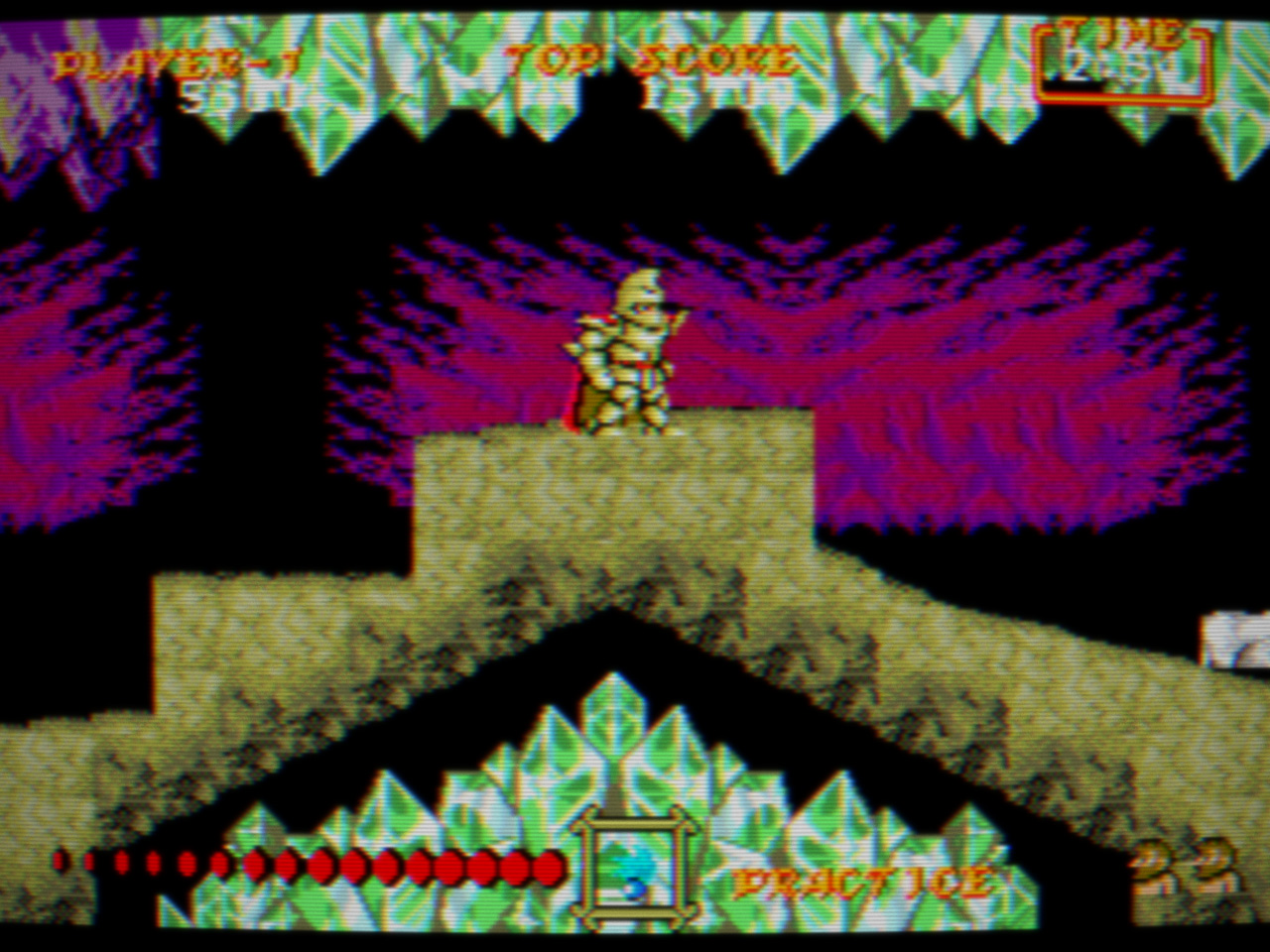
Some chests contain golden armour instead. This is the good stuff: it lets you hold down the fire button to charge a magic attack, and the attack differs depending on what you are carrying. It is also made of tissue paper, because the moment anything touches you, the golden armour is gone.
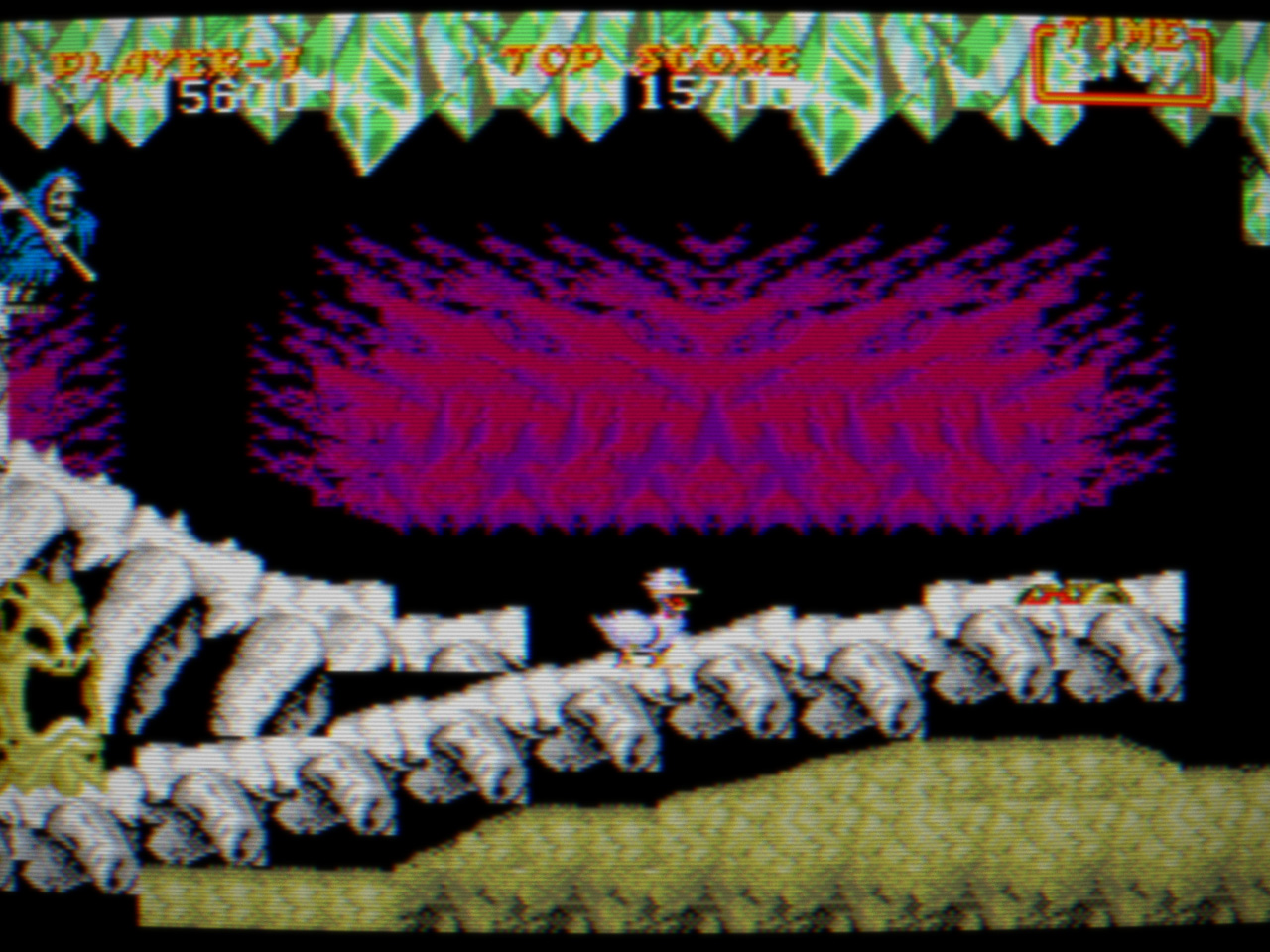
And some chests contain a magician, who is not there to help. His spell turns Arthur into a doddering old man who can barely walk, or into a duck, which cannot attack at all. Both wear off eventually. Neither wears off quickly enough when there are six skeletons coming at you. It is a proper piece of arcade cruelty and it never stops being funny when it happens to someone else.
The horrors themselves
The bestiary here is the best on the Mega Drive by a distance. Vultures peel off crosses in the opening graveyard. Skeletons claw their way up out of the ground behind you. Grim reapers drift across the screen with no regard for the terrain. There are ogres that vomit, plants that spit skulls, tentacles that grope up out of the floor, legless knights that crawl, wolf heads that float, and wriggling grubs that are genuinely unpleasant to look at in the best possible way.
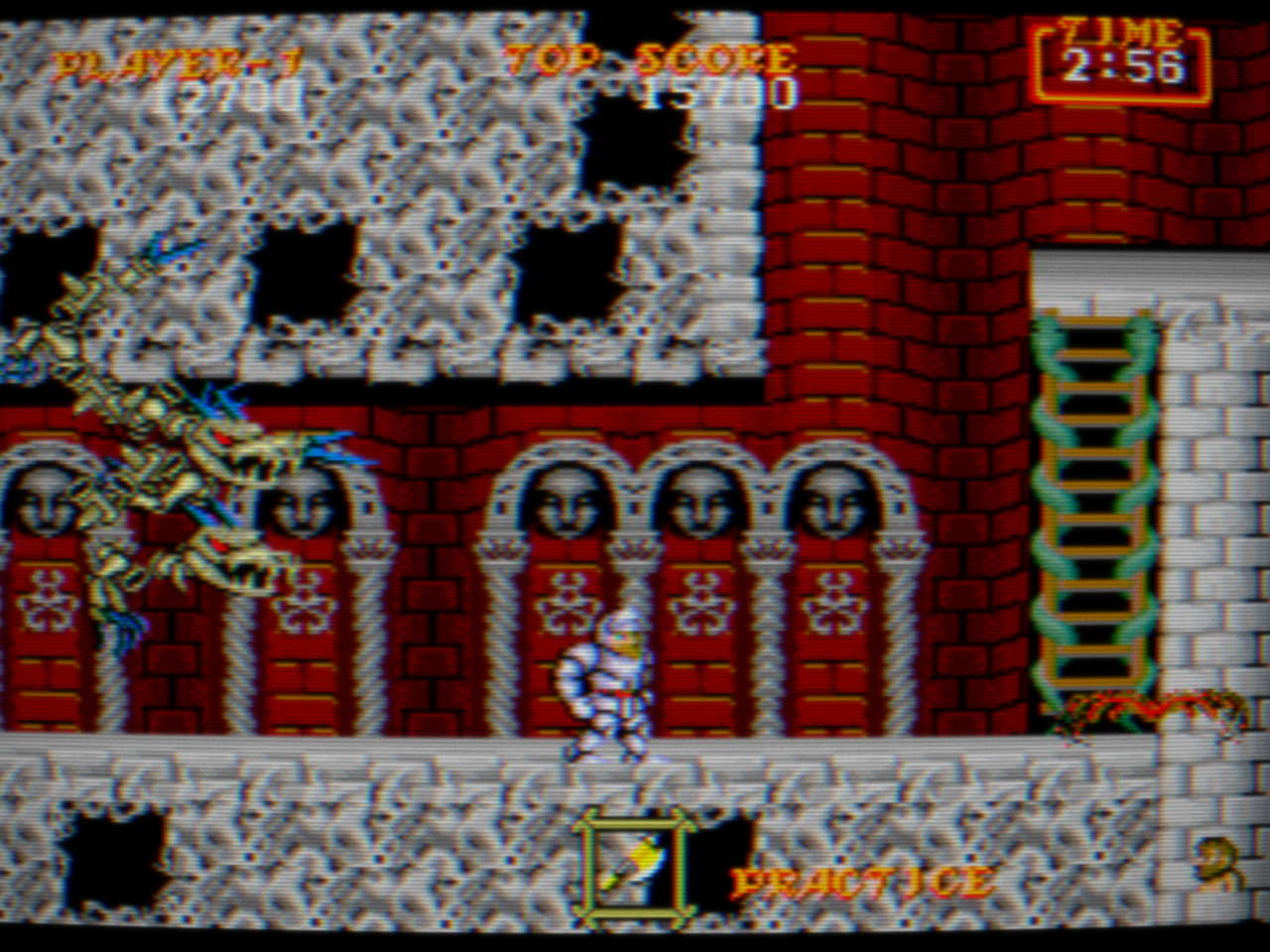
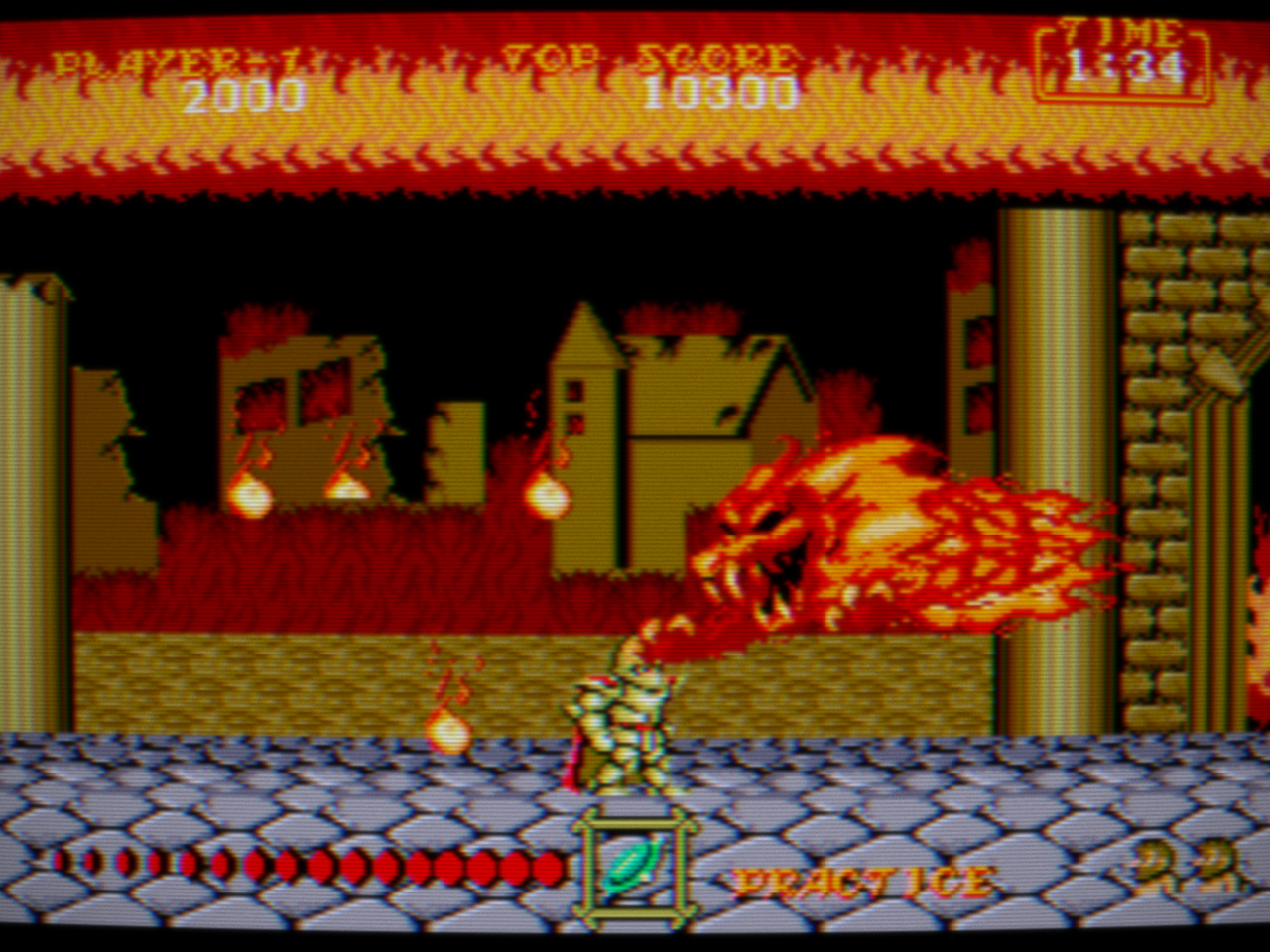
Each of the five levels ends with a guardian, and they are all enormous and all mean. The armoured dragon that closes the first stage sets the tone: it is huge, it takes a specific approach rather than blind aggression, and it will kill you several times before you work out what that approach is. They get worse from there.
What lifts all of this above being merely difficult is that the difficulty is almost always legible. When you die, you usually know why, and you usually know what you should have done instead. The game is punishing rather than arbitrary, which is a distinction a lot of hard games fail to make.
How it looks
This is where the arcade perfect claim earns its money.
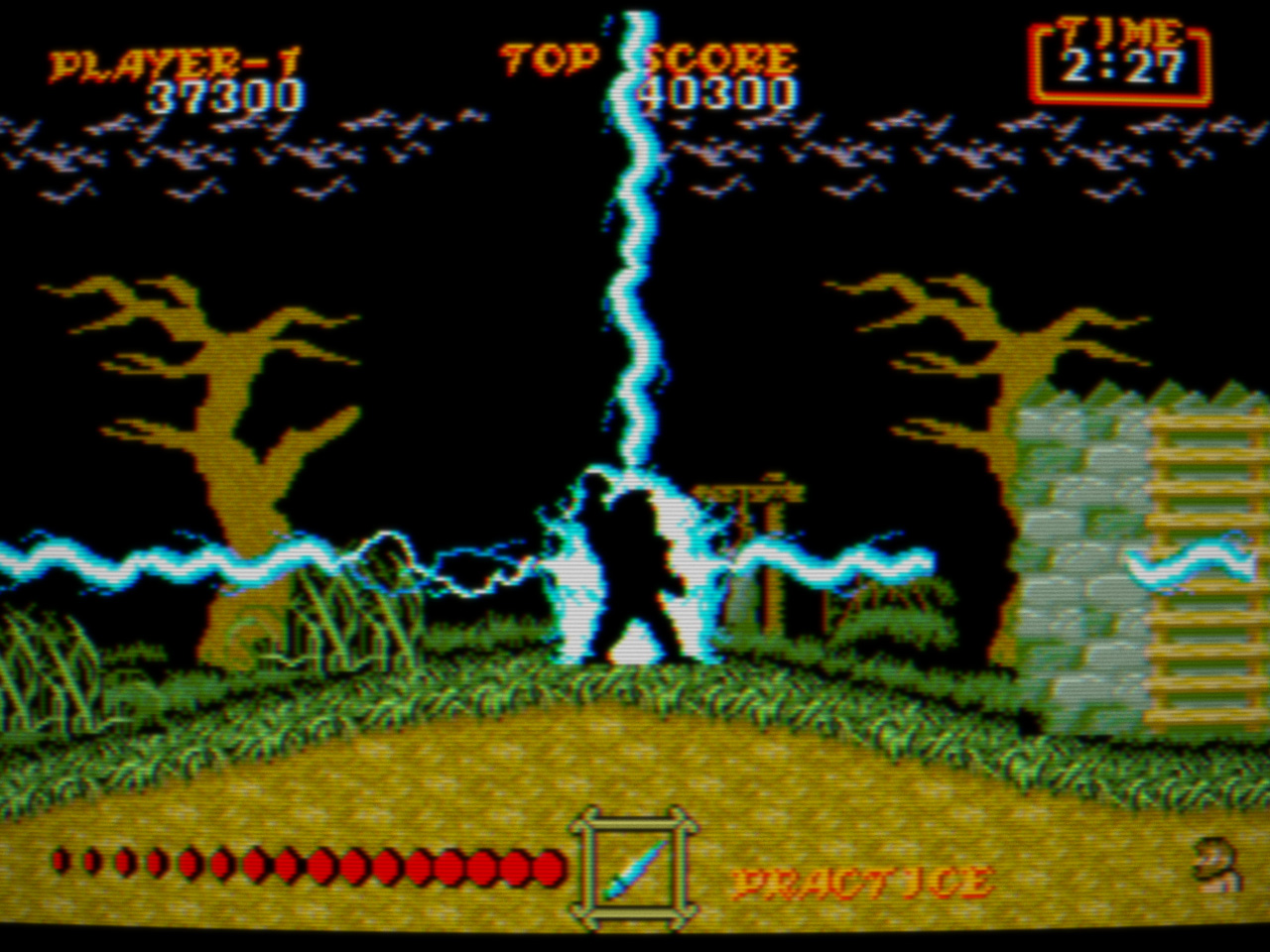
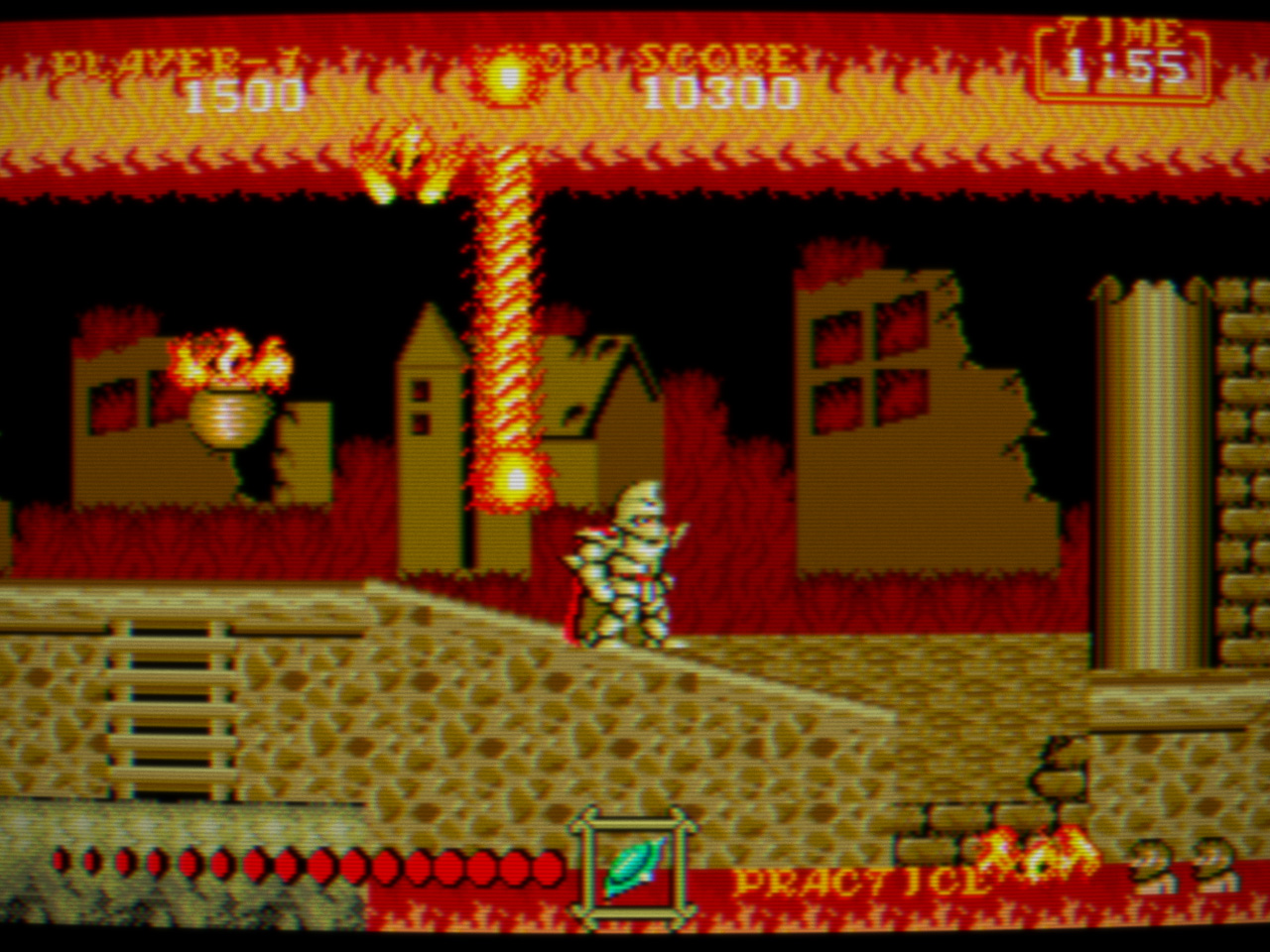
Two-layer parallax scrolling runs throughout, and while that is not a trick the Mega Drive struggles with, it is deployed here with real care. The opening graveyard has swaying trees, leaves blowing across the screen, and rain coming down in sheets while lightning picks out the silhouettes. The wind actually affects how Arthur moves. The frozen caverns glitter. The burning village burns properly, with the architecture collapsing around you flame by flame.
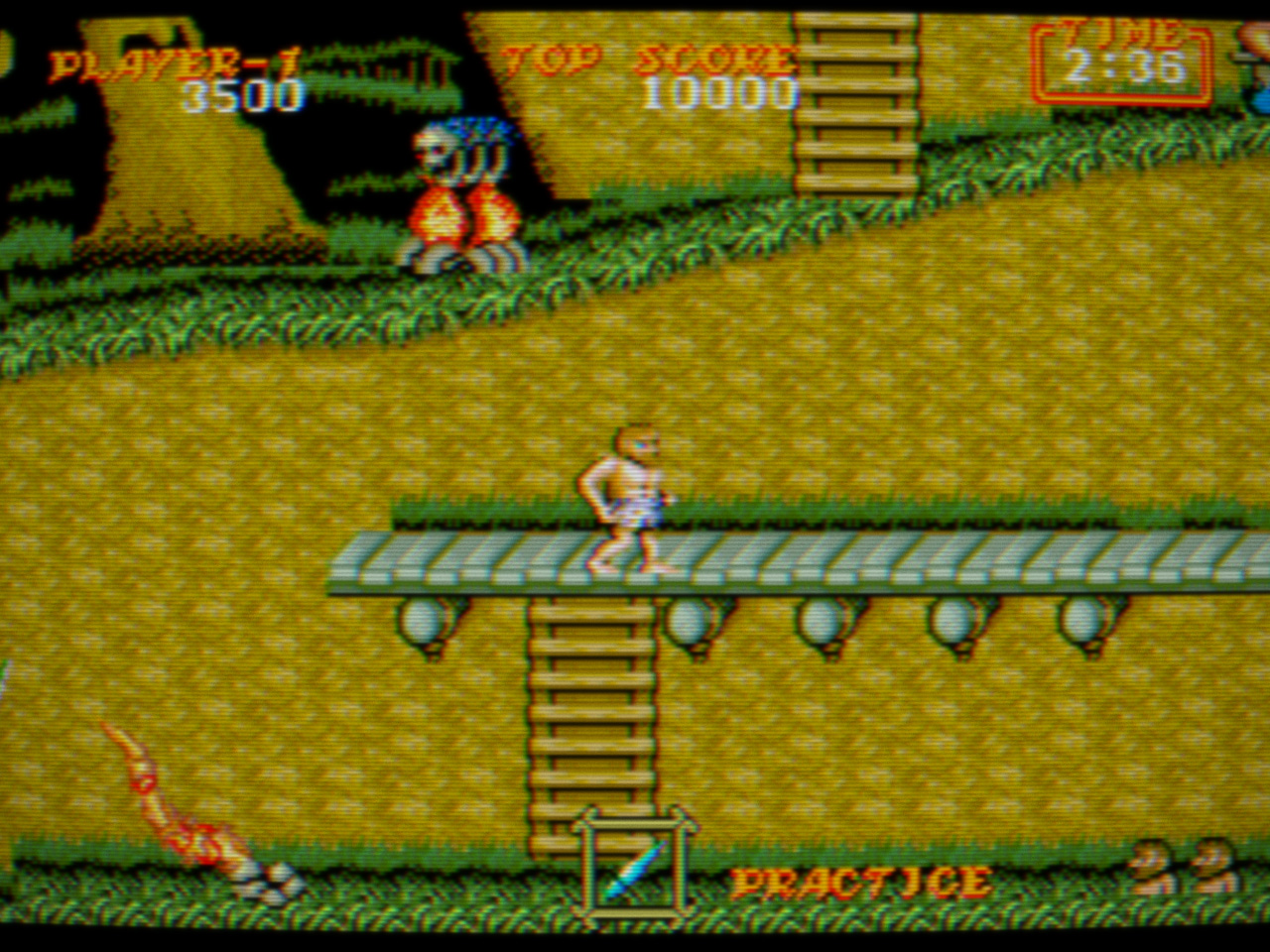
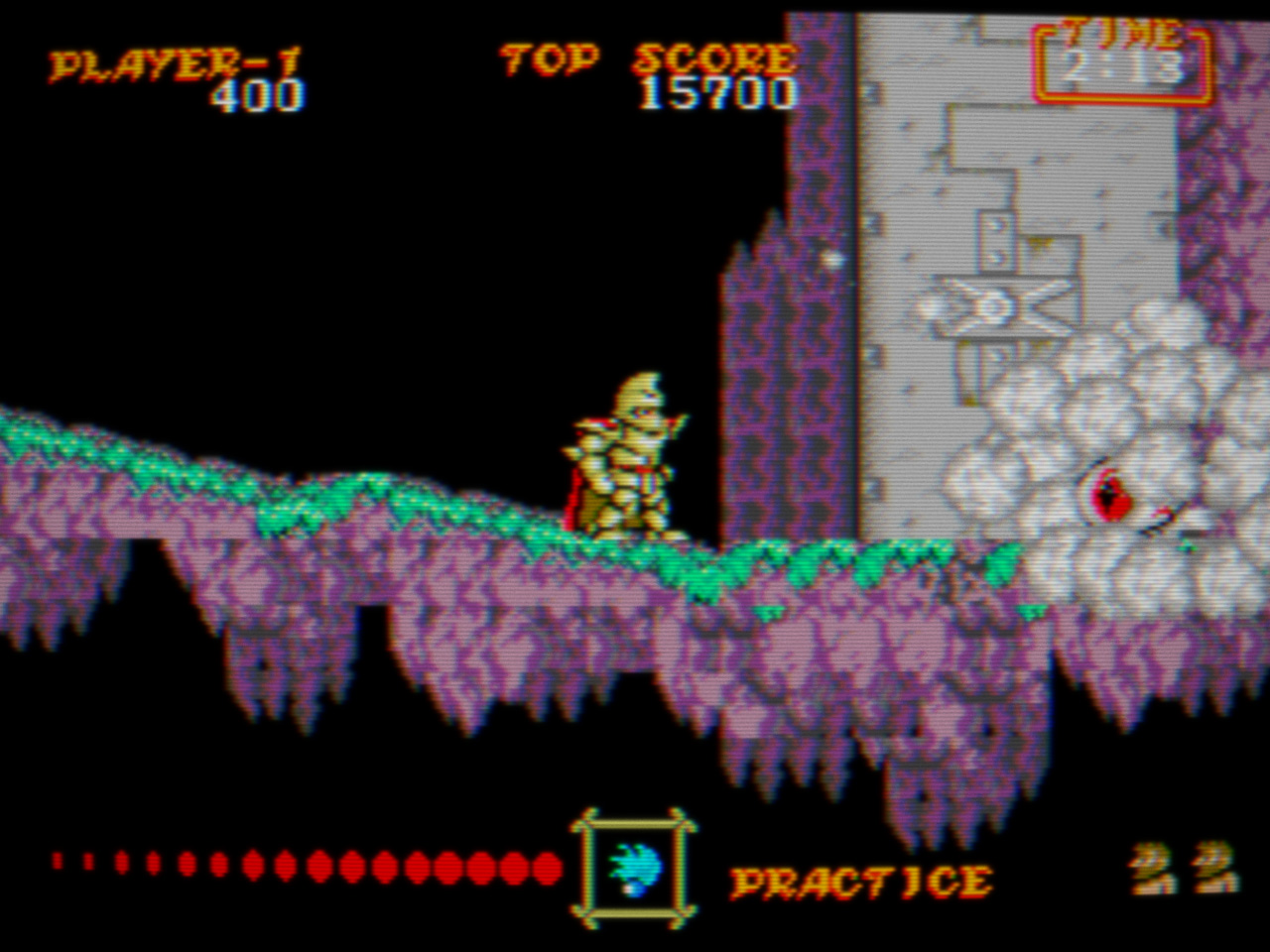
The sprites are large, detailed and plentiful, and the animation keeps up with them, which is the bit conversions usually get wrong. Arthur in his armour is a lovely piece of pixel work, and the transition to Y-fronts and then to a heap of bones is animated with obvious relish.
There are the odd flat backdrops, a couple of stretches where the black is a bit too plain and the tiles a bit too obviously tiles. On a game this dense with incident you will not notice unless you are actively hunting for faults.
How it sounds
Even better, and that is not a sentence we write often about a game that looks this good.
The soundtrack is built around eerie pipe-organ dirges that suit the material perfectly, the sort of thing that sounds like it is being played by something with too many fingers in a room you should not be in. Each stage gets its own theme and each theme is a faithful rendition of the arcade original rather than an approximation of it. Several tunes make proper use of stereo, so it is worth plugging headphones in if you can.
The effects deserve their own mention. The whoosh of the storm on the first stage, the pad of Arthur's feet on grass, the clank of the lance off rock, the wet noise the ogres make. It is a genuinely atmospheric piece of sound design, and the Mega Drive's FM synthesis chip is doing work here that should embarrass a few other developers.
Who this is actually for
An honest word, because the scores this game is collecting do not tell the whole story.
If you are the sort of player who wants to see the end of a game within a fortnight, this is not going to make you happy. It will beat you up. It will beat you up on the first level. It will then beat you up again on the first level after you have supposedly learned the first level. The route through each stage has a fairly strict correct answer, and finding that answer is done by dying repeatedly until the pattern reveals itself. Some people find that loop enormously satisfying. Others find it repetitive, and the honest truth is that the repetition is real: you will see the opening graveyard more times than you will see anything else in this cartridge.
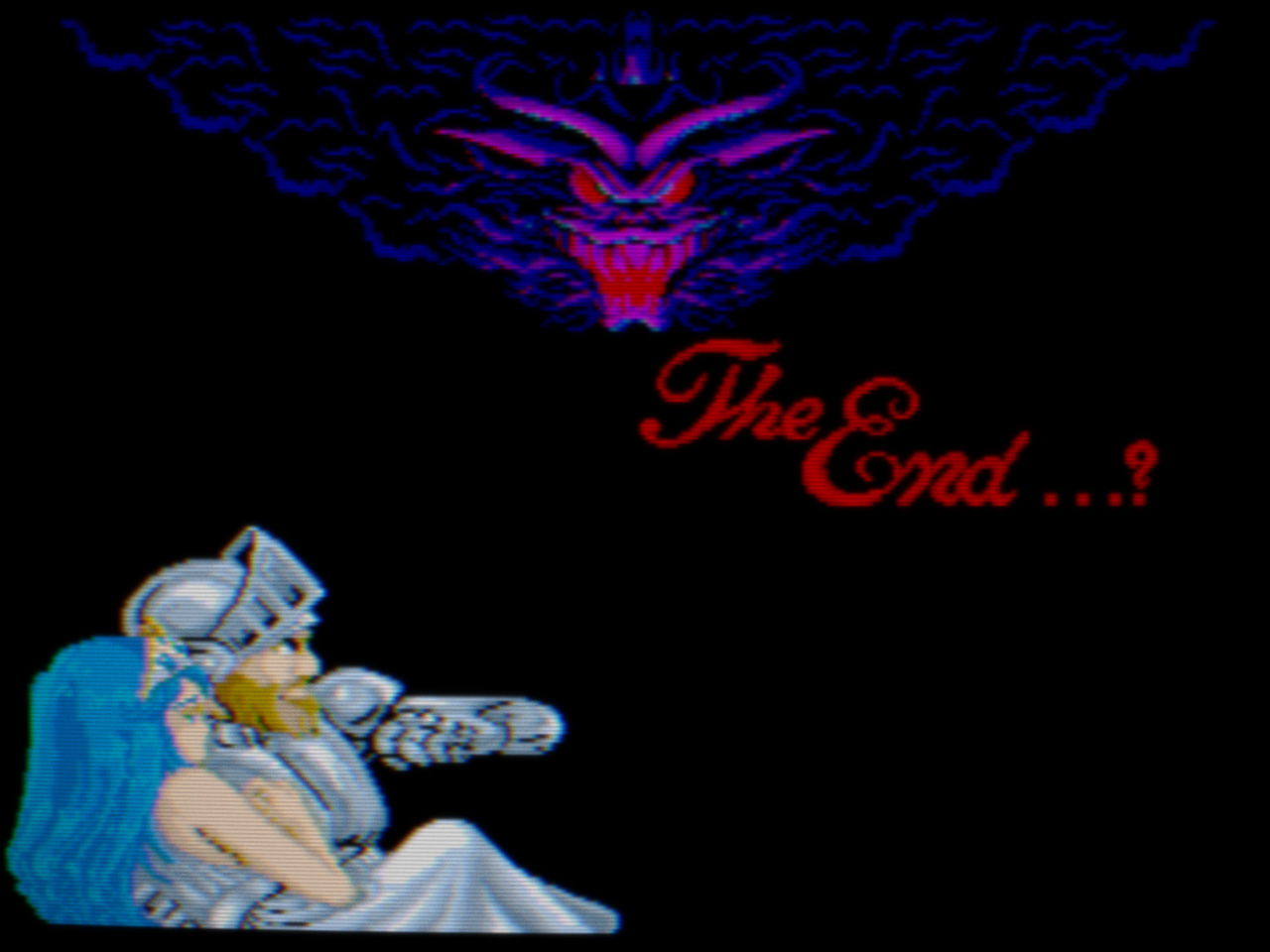
And then there is the twice-through requirement, which effectively doubles a game that was already asking a great deal of you.
If, on the other hand, you are the sort of player who wants a game to put up a genuine fight, who enjoys the slow accumulation of competence, who gets a proper kick out of finally clearing a stretch that has killed you thirty times, then this is close to the best thing available on the system. It is worth saying plainly that both of those readings are legitimate. This is a magnificent game and it is not a game for everybody, and anyone telling you those two statements contradict each other has not played enough of it.
The Verdict
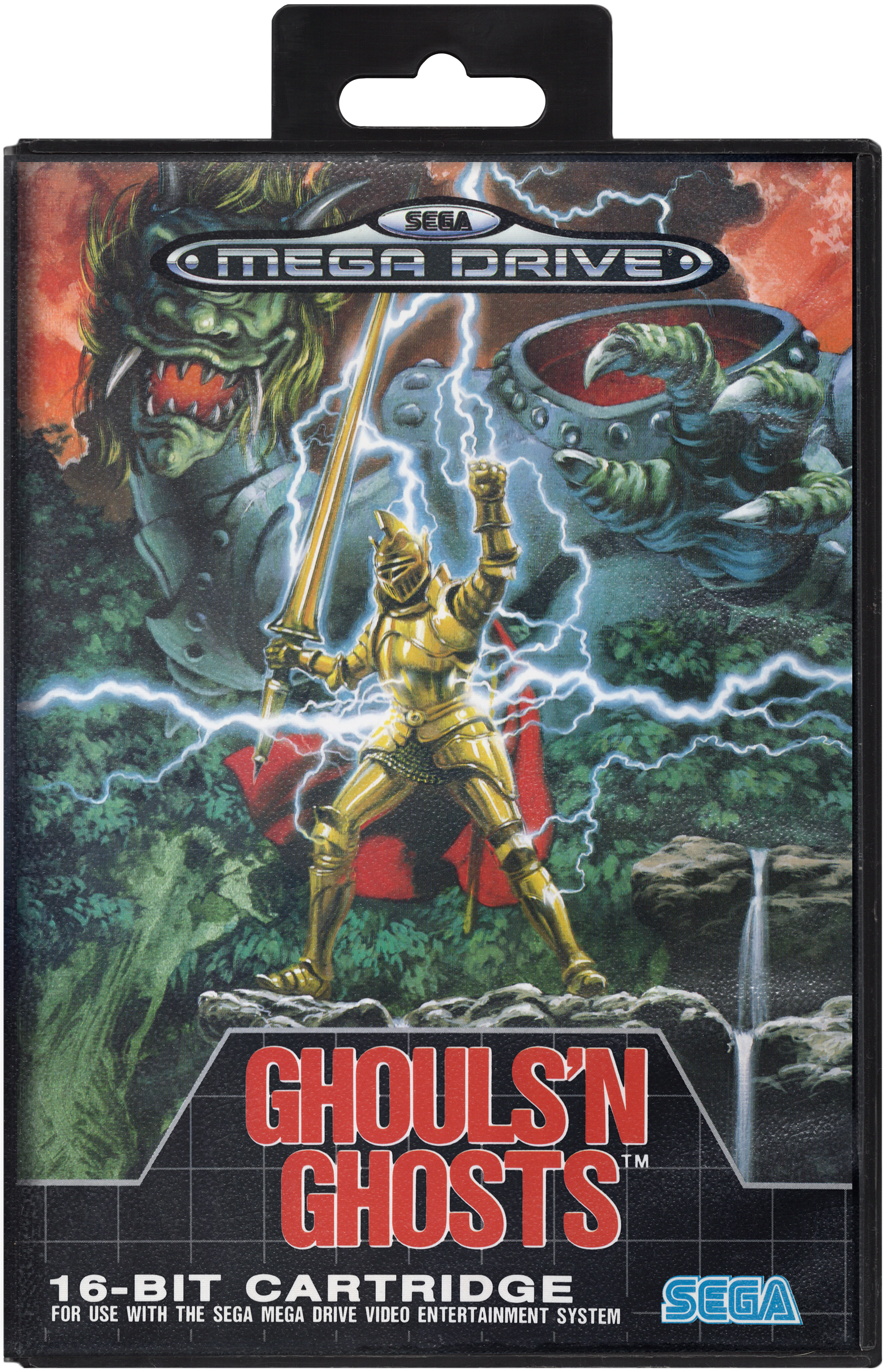
Ghouls'n Ghosts is the finest arcade conversion on the Mega Drive and one of the best-looking, best-sounding cartridges the machine has produced. Capcom's coin-op has been brought across with its graphics, its sound and, crucially, its feel intact, and there is no meaningful compromise on display anywhere in it. For once the "arcade perfect" line on the box is not marketing.
It is also savagely, unapologetically hard, and it will double back on itself and make you do the whole thing twice before it lets you near the final boss. Unlimited continues stop that from being cruel, but nothing stops it from being long.
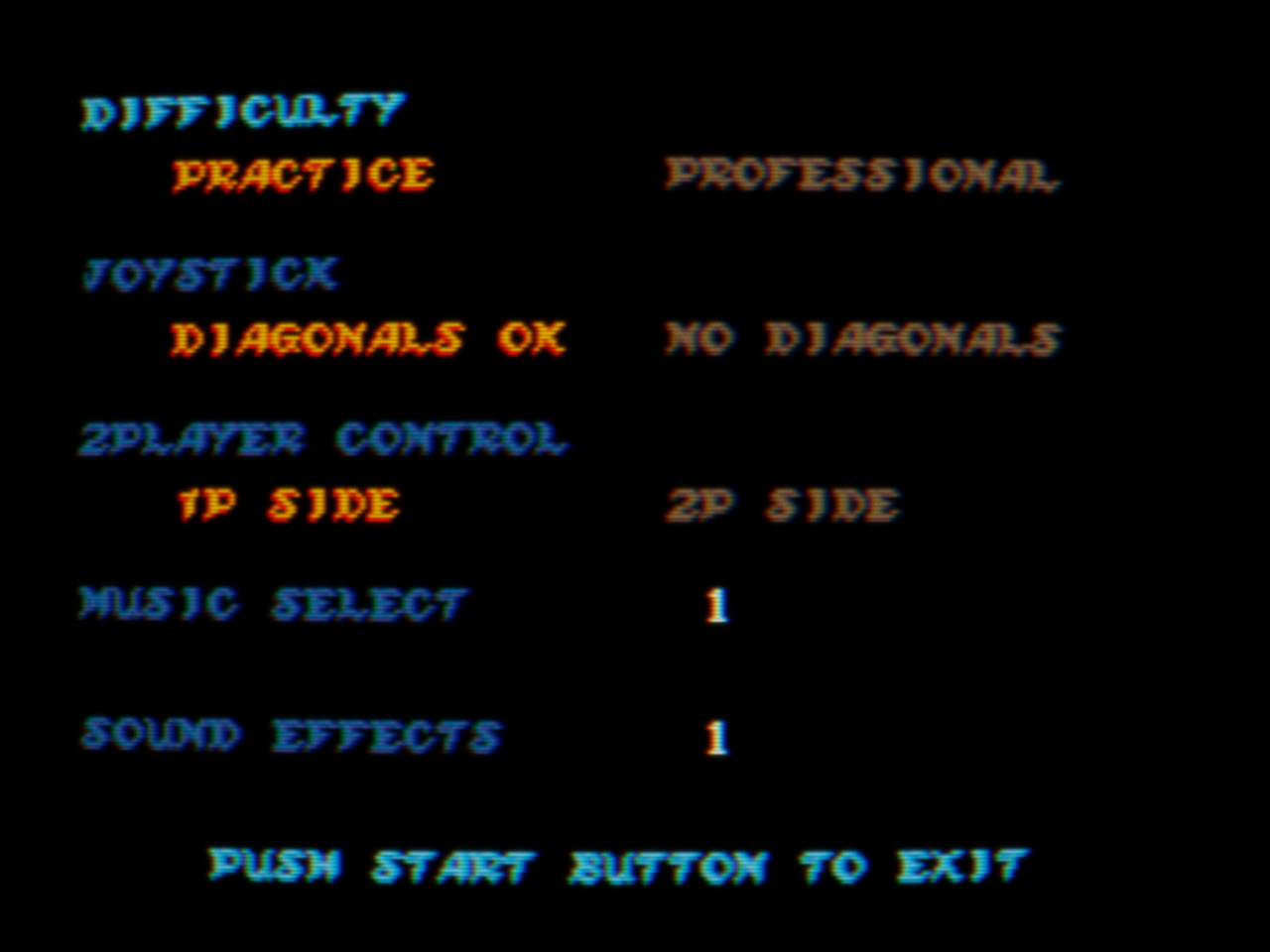
Buy it if you want a game that respects you enough to hurt you. Think carefully if you want a relaxing evening. And if you somehow beat it, the options screen has a Professional difficulty waiting for you, which tells you everything about the kind of people who made this.
Utterly superb, then, and not remotely interested in whether you are having a nice time.
In Hindsight
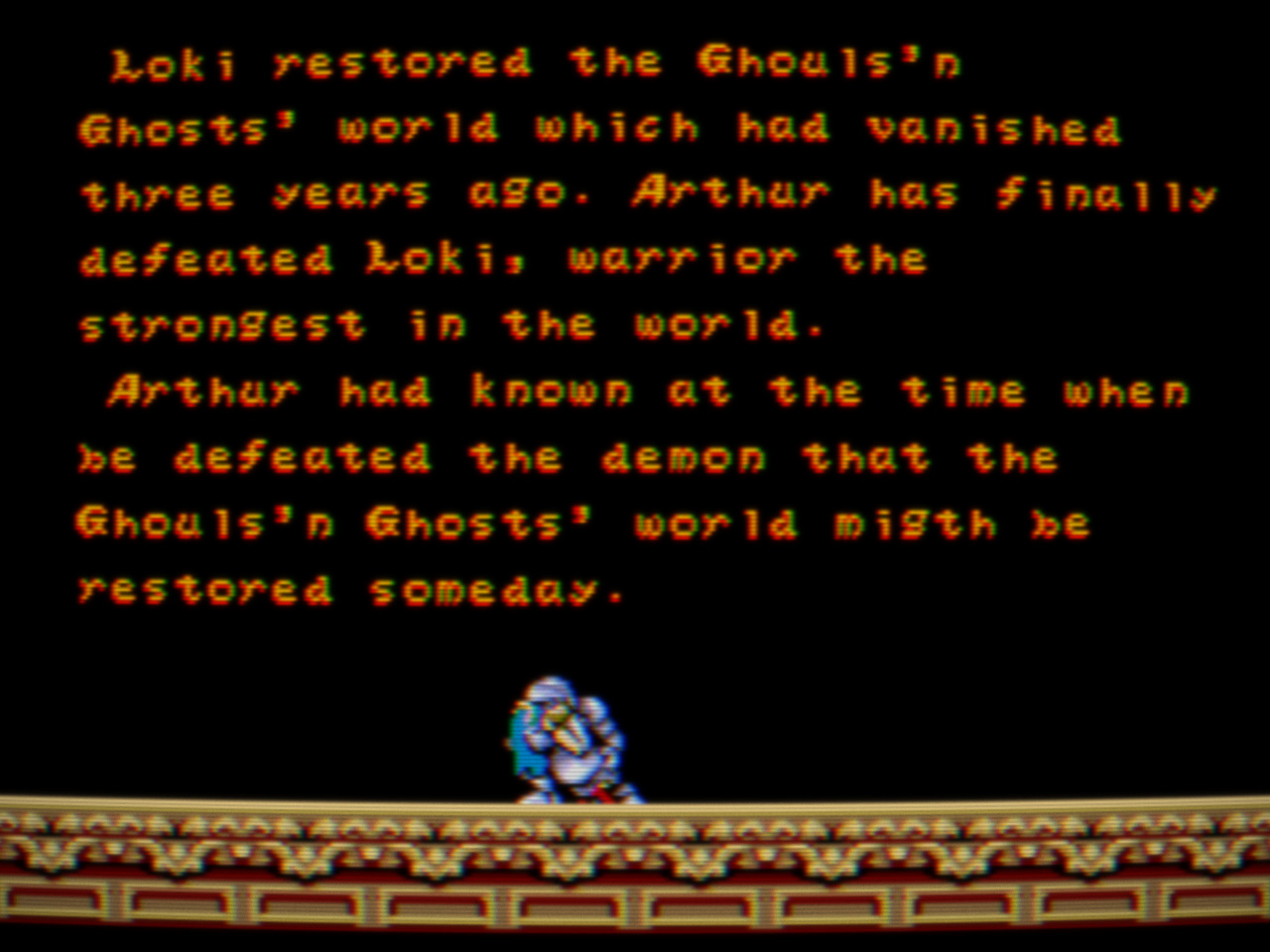
The arcade perfect claim has aged better than almost any other claim of its era, and that is worth pausing on. Conversions from this period were routinely sold on the promise of bringing the coin-op home and routinely failed to deliver, shedding sprites, colours, levels and music in the translation. Ghouls'n Ghosts shed almost nothing. It stands up as the reference point for what the Mega Drive could do when a conversion was given the time and the cartridge space it needed, and it set an expectation that subsequent Capcom conversions on the system were measured against.
The difficulty is the thing that has divided opinion most durably. The twice-through structure in particular reads very differently depending on what you think arcade games were for. In a coin-op cabinet, extending the game by looping it back on itself made obvious commercial sense: more time in front of the machine, more coins in the slot. Transplanted wholesale into a home cartridge where nobody is feeding it money, the same design becomes something else entirely, and modern players coming to it fresh frequently bounce off it hard. It is one of the clearest surviving examples of arcade economics leaving fingerprints all over a home conversion, and it is preserved here exactly as it was, fingerprints included.
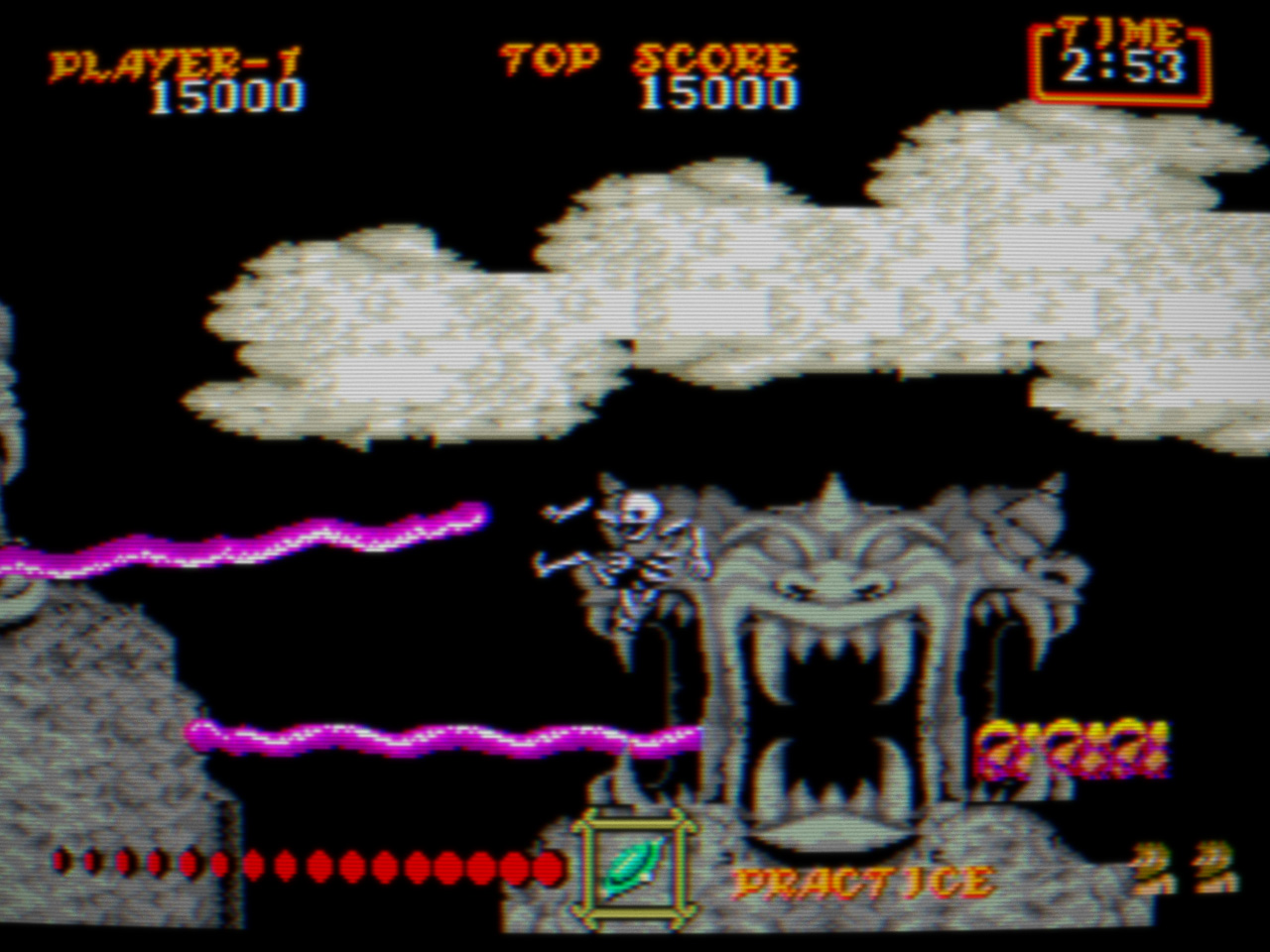
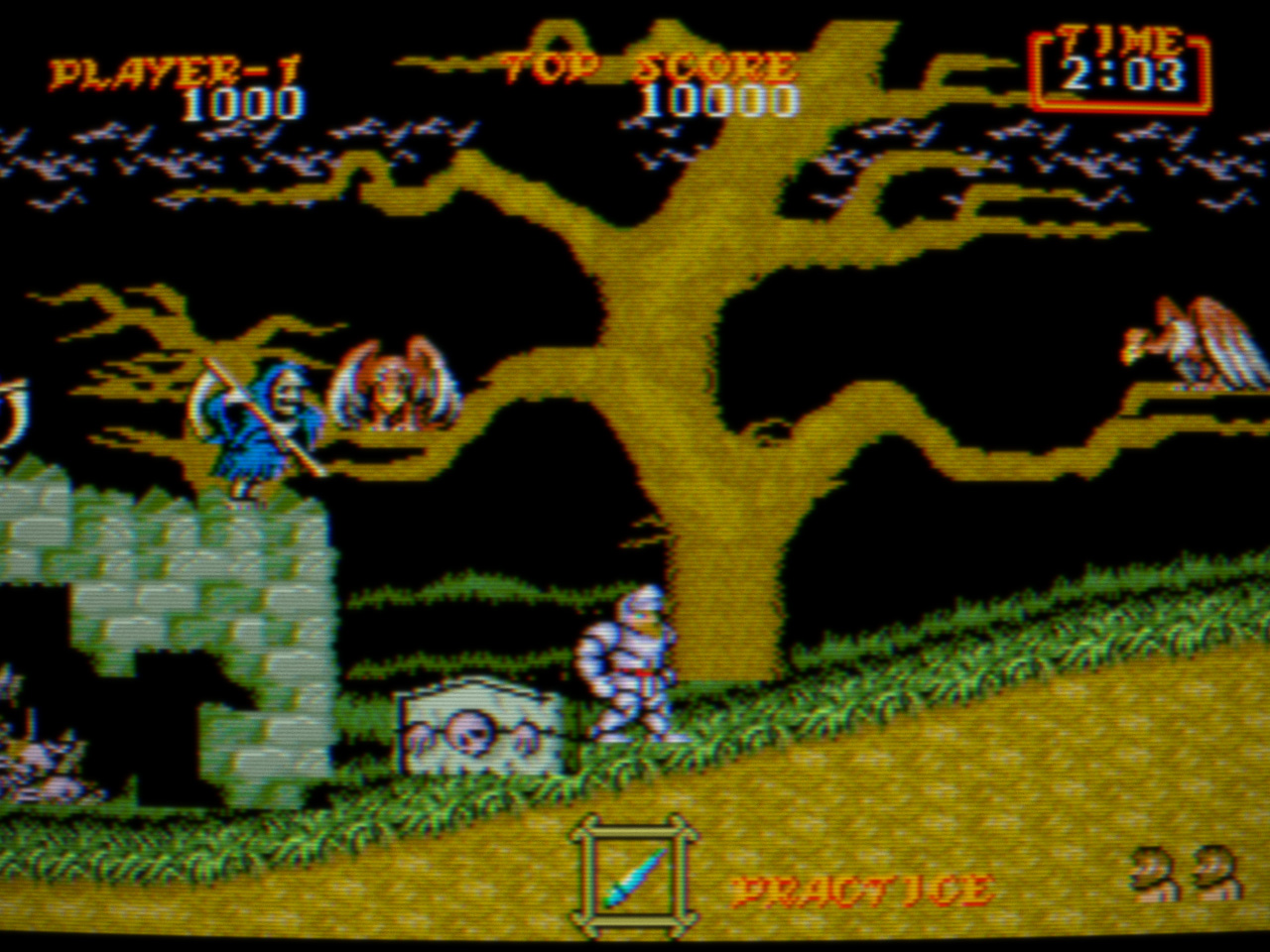
The Y-fronts, meanwhile, have outlived everything. A running gag about a knight losing his trousers, inherited from Ghosts'n Goblins and carried forward without modification, has become as much a part of the series' identity as the pipe-organ music or the flying vultures. It is a small, daft piece of character design that has survived decades of sequels, remakes and re-releases untouched, because nobody has ever come up with a reason to improve it.
For the Codex, the value of this cartridge is straightforward. It is a conversion that did not compromise, from a period when compromise was the norm, and it preserves a piece of arcade design philosophy that home gaming would eventually abandon entirely. Play it for the craft. Persevere for the second lap. Loki has waited this long, and he is not going anywhere.
Magazine scores
- Complete Guide to ConsolesIssue 198%
- Complete Guide to SEGA93%
- Computer and Video GamesIssue 9596%
- Game ZoneIssue 93/6
- Mean MachinesIssue 192%
- Mean Machines SEGAIssue 193%
- Mega ActionIssue 190%
- Mega Drive Advanced GamingIssue 286%
- Mega Gold89%
- Mega PowerIssue 19/10
- MegaTechIssue 193%
- RazeIssue 393%
- SEGA PowerIssue 1592%
- SEGA ProIssue 393%
- SEGA Pro - The A-Z of SEGA Games92%
- SEGA ZoneIssue 1682%
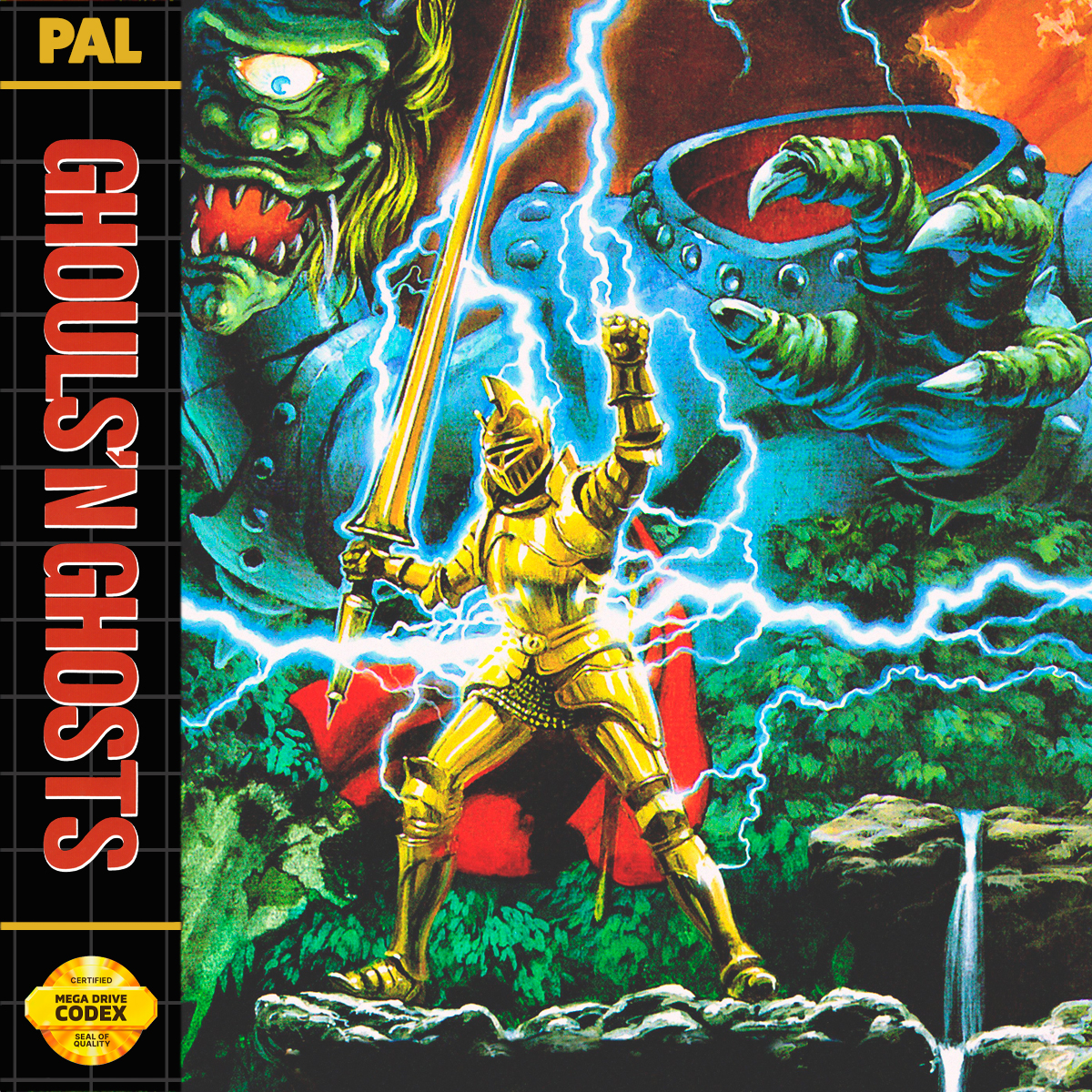
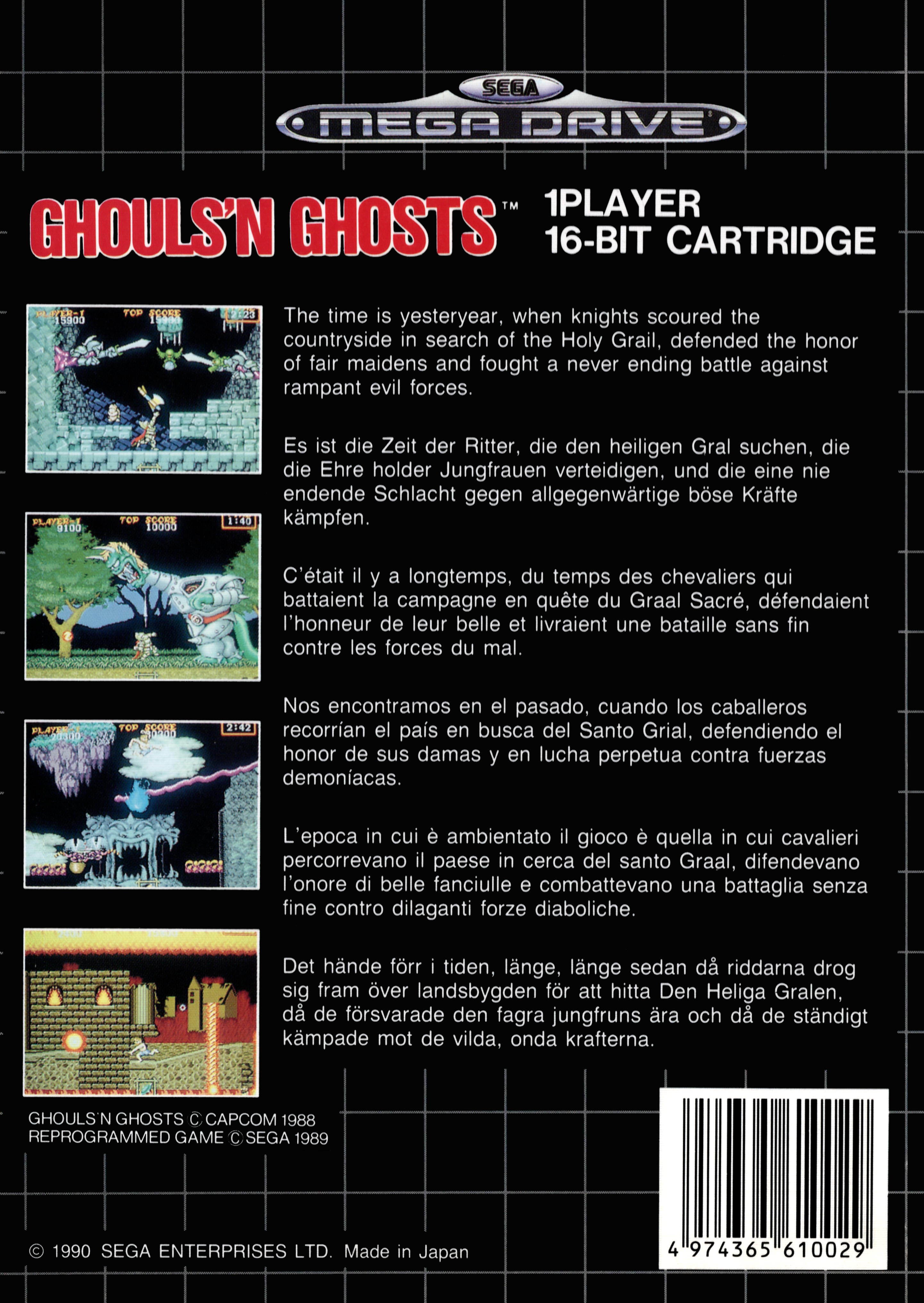

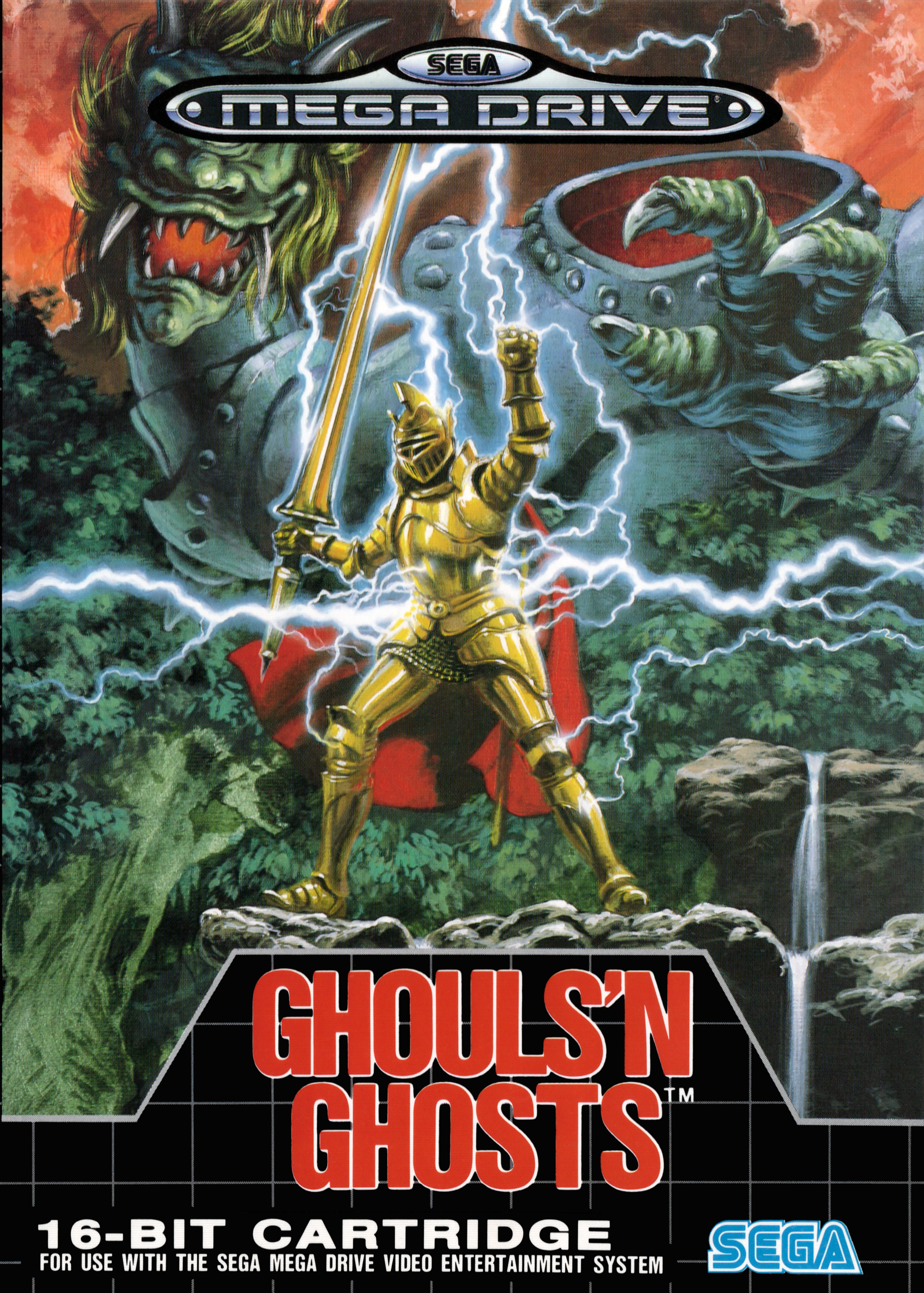
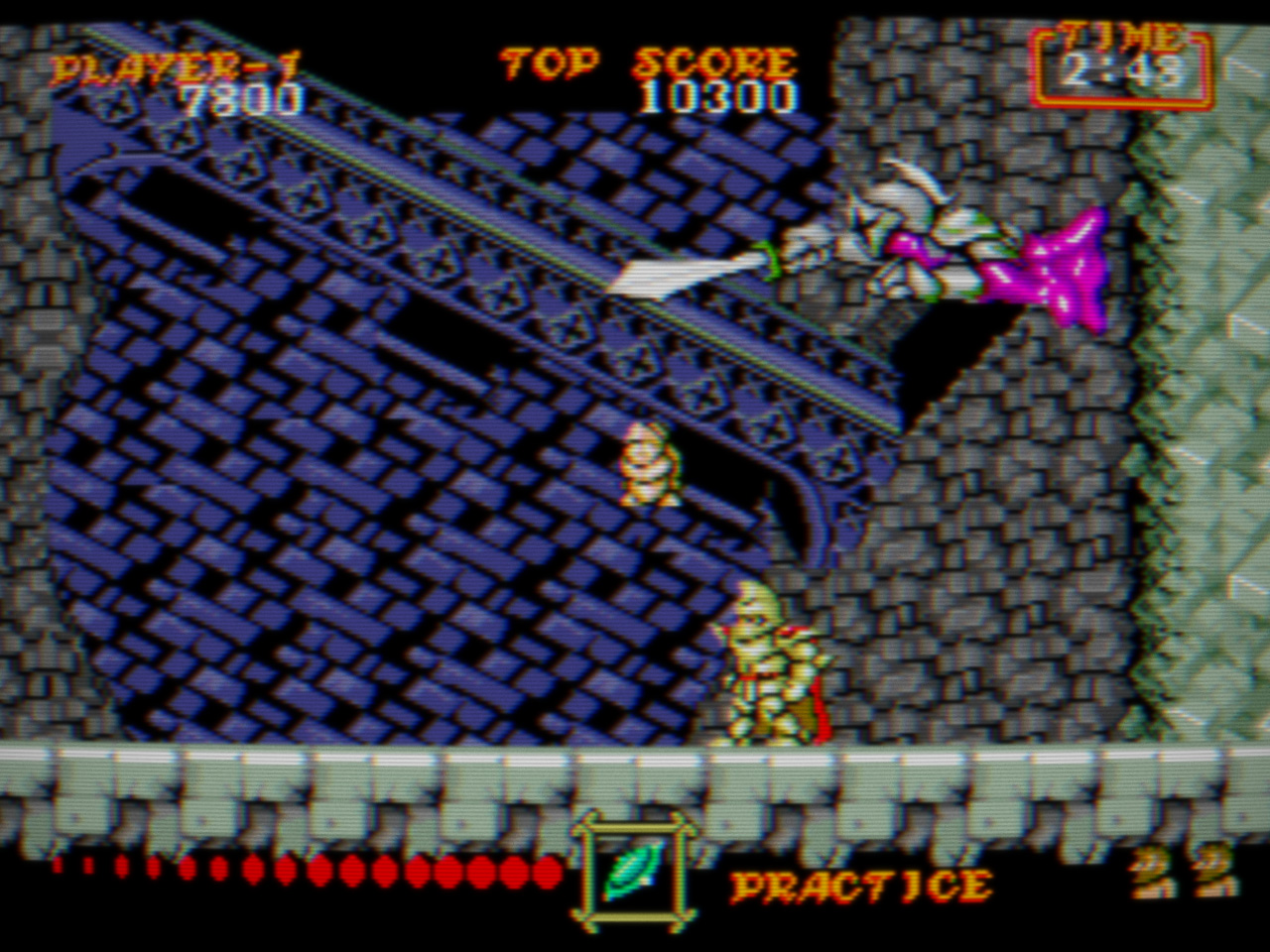 Shot 1 Baron Rankle's Tower
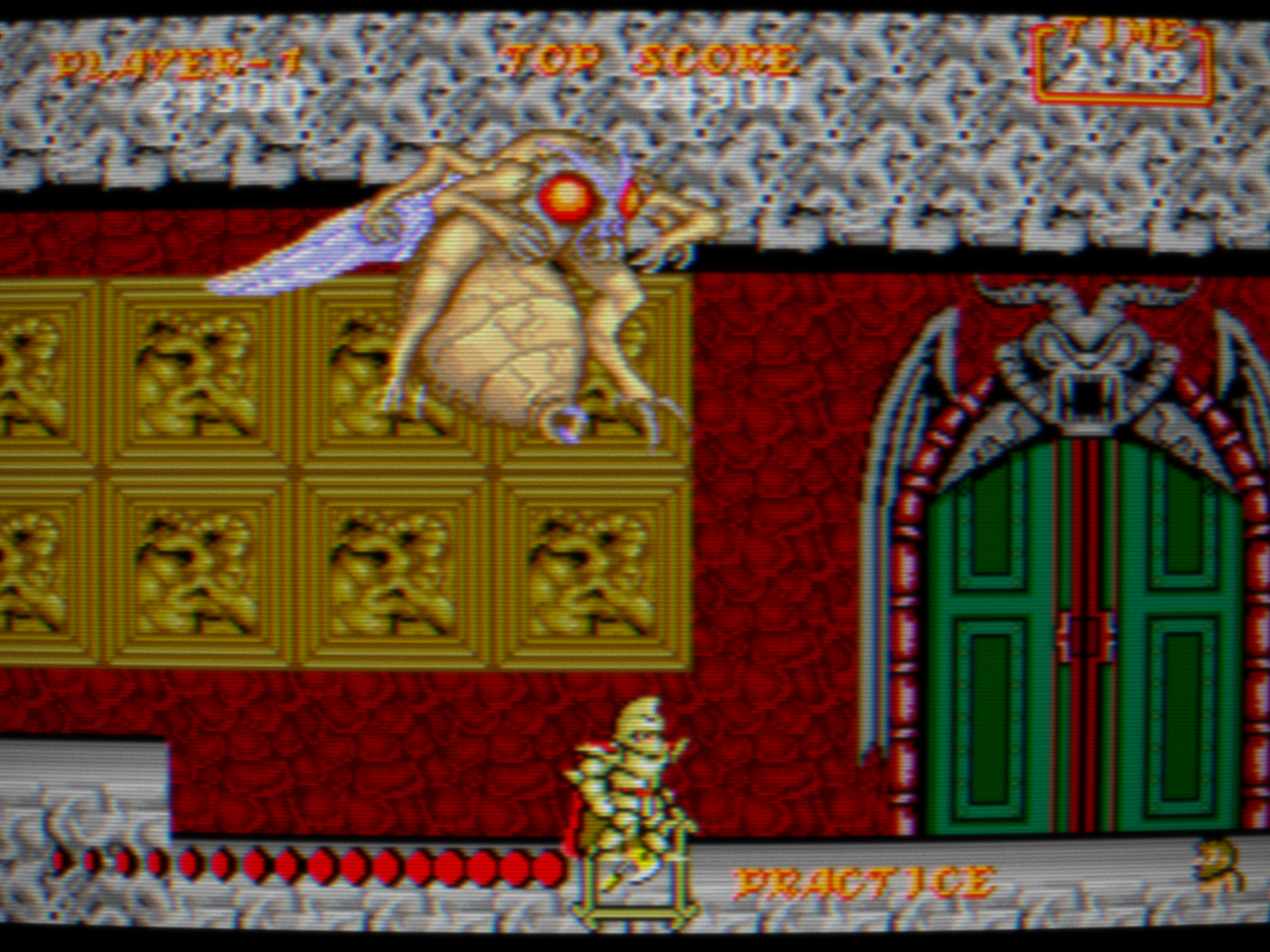 Shot 2 BeelzebubShot 3 CerberusShot 4 Duck Transformation
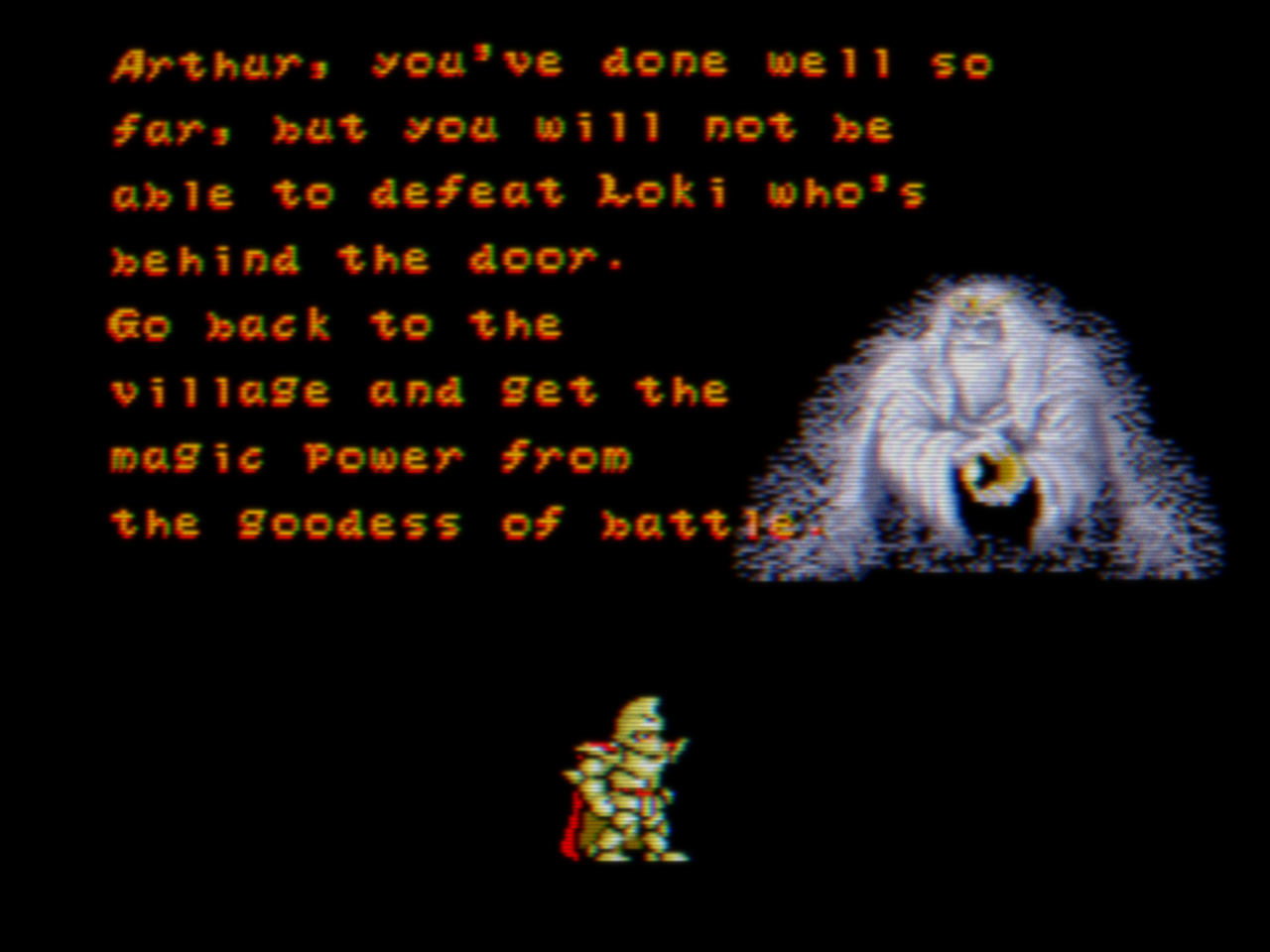 Shot 5 First Ending 1
 Shot 6 First Ending 2Shot 7 GassutoShot 8 Loki's CastleShot 9 LokiShot 10 OhmeShot 11 Old Man Transformation
 Shot 12 Options Menu
 Shot 13 Real Ending 1Shot 14 Real Ending 2Shot 15 Real Ending 3
 Shot 16 Real Ending 4
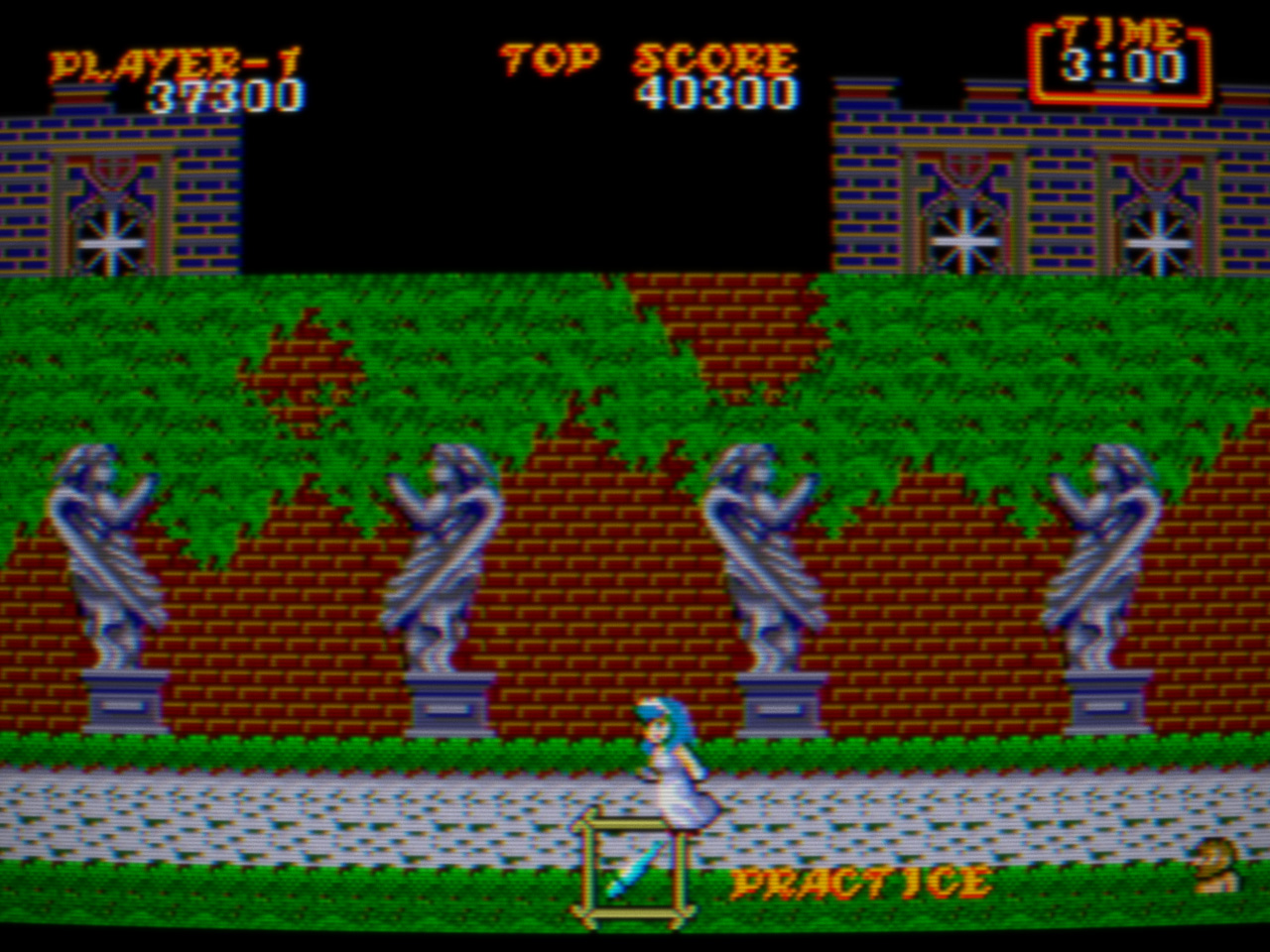 Shot 17 Real Ending 5Shot 18 Real Ending 6Shot 19 Real Ending 7
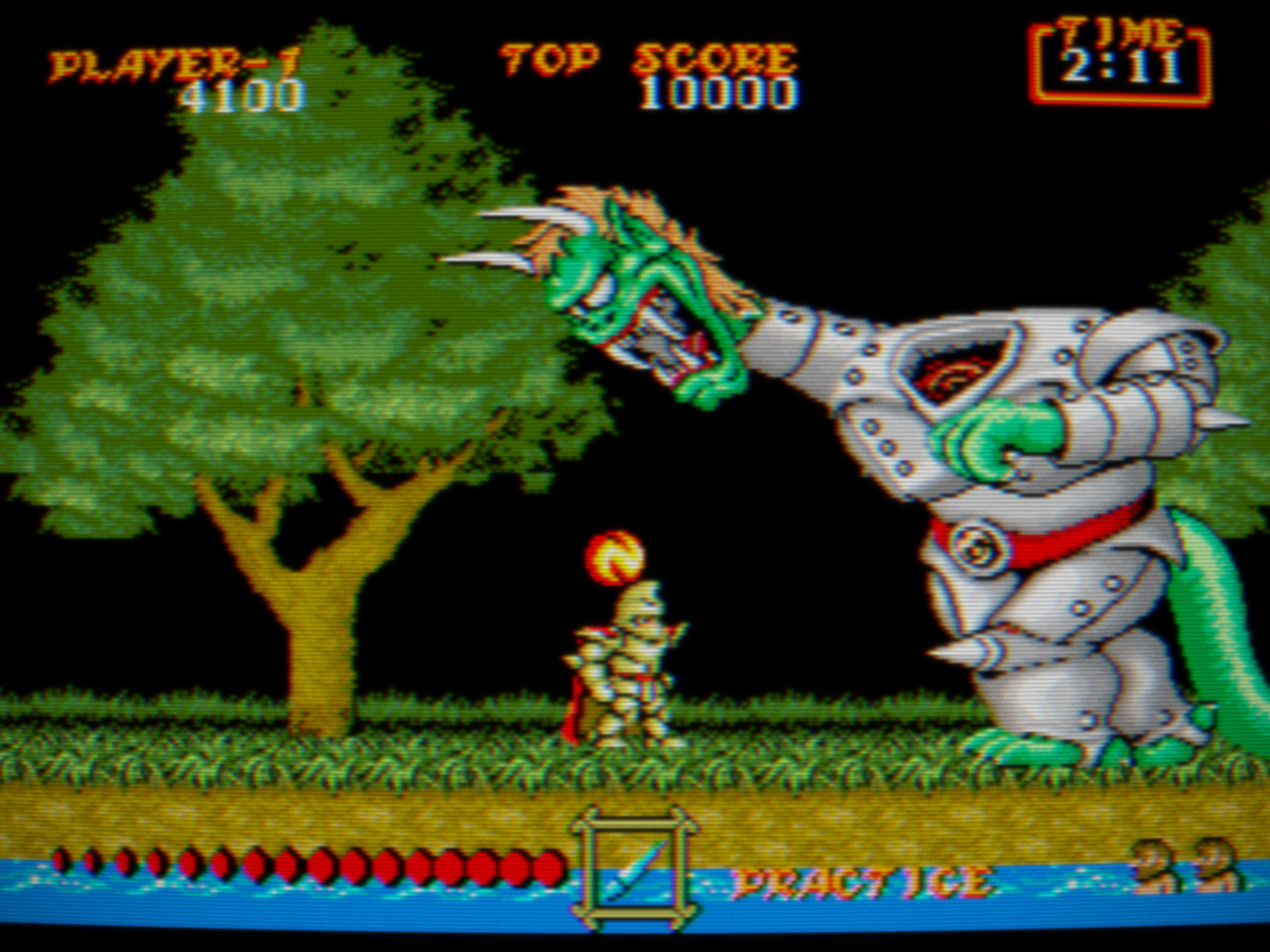 Shot 20 ShielderShot 21 Strange Face MountainShot 22 The Crystal ForestShot 23 The Execution PlaceShot 24 The Floating IslandShot 25 The Ice SlopesShot 26 The Village of DecayShot 27 Town of FlamesShot 28 Undies